Kids have a funny way of seeing the world. A cardboard box can become a spaceship, a few scraps of paper can turn into a monster, and a completely ordinary afternoon can somehow become a story. That natural creativity is there, but it needs room to come out. A children’s summer camp can give kids that space, especially when art is part of the experience. Art classes aren’t just about making something that looks nice. They give children permission to experiment, make mistakes, change their minds, and create something that is genuinely their own. And honestly, that freedom matters more than producing a perfect drawing.
Art Gives Kids Permission to Think Differently
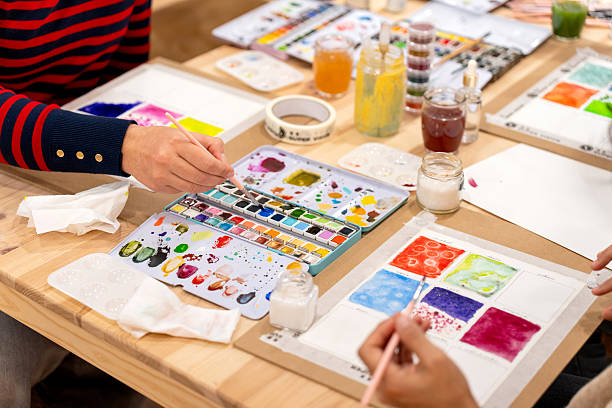
One of the biggest things art classes offer is freedom. In many parts of a child’s day, there is usually a right answer. A maths problem has an answer. A spelling word is either correct or it isn’t. Art doesn’t work that way. A child can use purple for a tree, make a person with three eyes, or paint the sky orange. Nobody needs to tell them they got it wrong. That freedom encourages independent thinking. They start making decisions without constantly looking around to see what somebody else is doing. Even a simple painting can become a little exercise in confidence. The child chooses the colours, the shapes, the subject, and how much detail they want to add. It sounds basic, but these small choices build creative confidence over time.
Experimenting Without Fear of Getting It Wrong
Children naturally make mistakes when they’re learning, but some eventually become scared of them. They don’t want to draw something because they think it won’t look good. That’s where a relaxed art class can help. When children are encouraged to try different materials and techniques, mistakes become part of the process instead of something embarrassing. Paint runs off the page? Fine. The clay doesn’t hold its shape? Try again. The drawing looks nothing like the original idea? Maybe it becomes something better. This kind of experimentation teaches children that creativity isn’t about getting everything right on the first attempt. Sometimes the messy version is where the interesting idea starts. That lesson can stick with them well beyond the art room.
Different Materials Open Up Different Ideas
Pencils and crayons are familiar, but children can discover a completely different side of creativity when they’re given new materials. Clay feels different from paint. Collage encourages them to think about shapes and textures. Printing, pastels, fabric, recycled objects and even simple craft materials can lead to ideas they wouldn’t have had otherwise. The material itself becomes part of the creative process. A child who struggles to sit down and draw might suddenly get very interested in building something with clay. Another might prefer cutting and arranging pieces of paper rather than painting. Art classes give children the chance to discover what feels natural to them, rather than assuming every child expresses creativity in the same way.
Art Helps Children Put Feelings Into Something
Children don’t always have the words to explain how they’re feeling. That’s normal. Sometimes they don’t even understand the feeling themselves. Art can give them another way to communicate. A drawing, painting or handmade object can express excitement, frustration, curiosity, sadness, or just a strange idea that has been sitting in their head all day. This doesn’t mean every picture needs to be analysed like some deep psychological puzzle. It doesn’t. Sometimes a blue monster is simply a blue monster. But having a creative outlet gives children a safe way to express things that may be difficult to say out loud. Over time, they can become more comfortable sharing their thoughts and ideas.
Creative Activities Build Confidence Through Small Wins
There is something satisfying about finishing a piece of artwork and being able to point at it and say, “I made that.” It belongs to the child. Nobody else made the choices for them. Maybe the result isn’t technically perfect, and it doesn’t need to be. The important part is that they started with an idea and turned it into something they could actually see and hold. That sense of achievement can be especially useful for quieter children who don’t always feel comfortable speaking up in groups. Completing a project gives them a small win. Then another one. Eventually, they may start taking bigger creative risks because they know they can figure things out.
Group Art Can Make Creativity More Social
Art is often seen as an individual activity, but it can be surprisingly social. Children can work beside each other, share materials, talk about what they’re making and notice how differently everyone approaches the same idea. One child might create a detailed landscape while another covers the page with wild shapes. Neither approach has to be better. They’re just different. Group projects can also teach children how to listen to someone else’s idea without losing their own. That’s a useful skill, especially as they grow older. Creative activities don’t have to mean sitting silently at a table. Sometimes the conversation happening around the artwork is just as valuable as the finished piece.
A Children’s Art Camp Can Turn Creativity Into an Experience
A children’s art camp can take these benefits a little further because creativity becomes part of the wider experience, rather than something squeezed into a short lesson. Children have more time to explore, return to an unfinished project, try another technique and work with different people. They may also find that being away from their normal classroom routine changes how willing they are to experiment. There’s less pressure to produce one particular result. Instead, they can follow an idea and see where it goes. That can be a big deal for a child who normally says, “I can’t draw,” before they’ve even picked up a pencil. Give them enough room, and sometimes they surprise themselves.
Creative Confidence Can Carry Into Everyday Life
The benefits of art don’t stop when the paint dries. A child who becomes comfortable experimenting in art may start approaching other problems differently too. They might build a new game, decorate a school project in their own way, invent a story, or find another solution when the first one doesn’t work. Creativity isn’t limited to artists. It’s useful whenever there isn’t one obvious answer. Art classes help children practise that kind of thinking in a way that feels enjoyable instead of like another lesson. And because they’re having fun, they may not even notice how much they’re learning along the way.
Conclusion: Let Kids Make Something That Is Theirs
Children don’t need constant instructions to become creative. Often, they need the opposite. They need time, materials, encouragement and enough freedom to make a few weird things without someone immediately correcting them. Art classes create that kind of environment. They let kids explore ideas, express feelings, solve little problems and discover what they enjoy. Some children may become serious about painting or sculpture. Others might never pick up a paintbrush again after the class ends. That’s okay too. The real value is giving them the confidence to create, experiment and say, in their own way, “This is what I made.” Sometimes that’s where creativity really starts.