circadian lighting
Lighting plays an important role in how patients experience healthcare environments and how well they recover. Many hospitals still rely on fixed artificial lighting that remains the same throughout the day and night. This approach does not match the natural patterns the human body depends on.
Light exposure directly influences sleep, mood, and overall well-being. When these patterns are disrupted, patients may take longer to heal. Circadian lighting provides a more adaptive approach by adjusting light levels and color to align with the body’s natural rhythm, helping create a more supportive recovery environment.
Why Hospital Environments Disrupt Natural Recovery?
Healthcare facilities operate continuously, which often leads to inconsistent lighting conditions. Patients may be exposed to bright artificial light during the night or may not receive enough natural daylight during the day. This imbalance interferes with the body’s internal clock. As a result, patients may struggle to fall asleep or stay asleep.
Poor sleep can weaken the immune system, increase stress levels, and slow down physical recovery. In addition, routine medical checks and environmental noise already affect rest, and unsuitable lighting adds another layer of disruption. Over time, this can leave patients feeling fatigued, disoriented, and less responsive to treatment.
How Circadian Lighting Aligns with the Human Body?
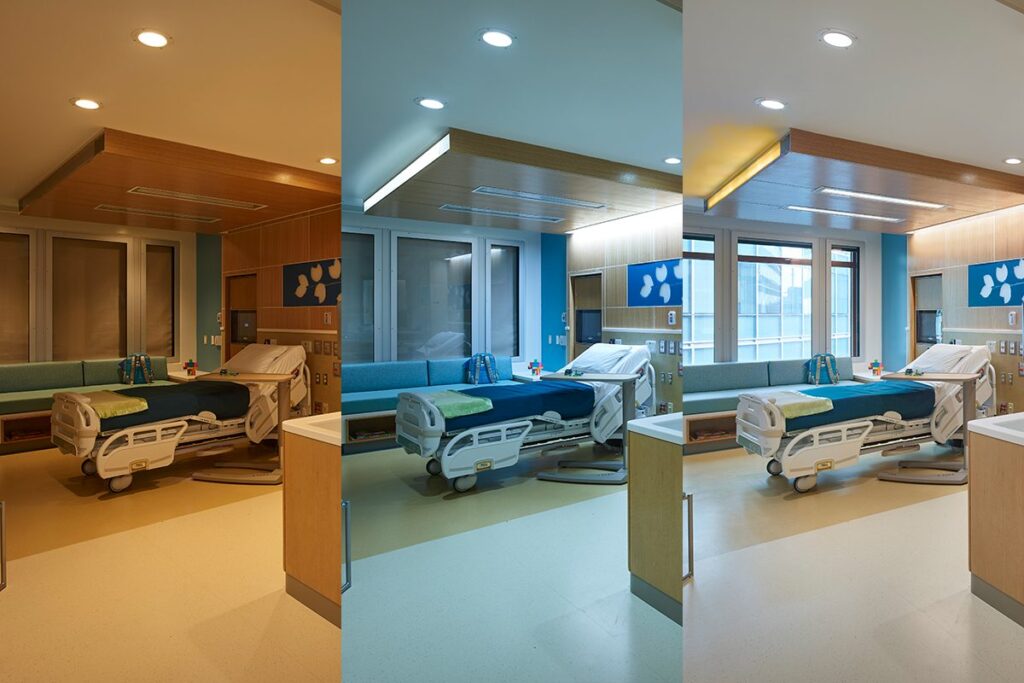
The body follows a natural cycle that regulates when a person feels alert and when they feel tired. Light plays a central role in maintaining this cycle by influencing hormones such as melatonin. During the day, exposure to brighter and cooler light helps maintain alertness and energy levels.
As evening approaches, warmer and dimmer light signals the body to prepare for rest. Circadian lighting systems are designed to replicate these natural changes indoors. They adjust brightness and color temperature throughout the day, helping patients maintain a steady rhythm. This alignment supports better sleep patterns and helps the body function more efficiently during recovery.
Effects on Sleep, Mood, and Healing
Lighting that follows natural patterns can improve multiple aspects of patient recovery. It supports both physical healing and emotional well-being during a hospital stay.
- Improved Sleep: Patients experience deeper, more regular sleep cycles, which support tissue repair and strengthen the immune system.
- Reduced Stress: Balanced lighting creates a calmer environment, helping lower anxiety and tension during treatment.
- Better Emotional Stability: Patients feel more settled and less overwhelmed, which can improve their response to care.
- Lower Confusion: Consistent lighting patterns reduce disorientation, especially for patients unfamiliar with hospital settings.
These benefits work together to create a more stable and comfortable recovery process.
Role in Critical Care and Long-Term Treatment
Patients in intensive care units and those undergoing long-term treatment are more likely to experience disrupted sleep patterns. These patients often remain indoors for extended periods without exposure to natural daylight. This can lead to confusion, fatigue, and in some cases, delirium.
Lighting that follows a natural cycle can help reduce these effects by providing clear signals for day and night. It supports better rest and helps patients maintain a sense of time. For long-term care, maintaining this rhythm can improve both mental clarity and physical recovery. It also helps patients adapt better to extended stays in controlled environments.
Creating a Better Healing Environment
Lighting influences how a healthcare space feels and functions. When designed carefully, it can improve comfort and support daily routines for both patients and staff.
- Calmer Atmosphere: Gradual changes in lighting create a peaceful setting that supports recovery.
- Staff Alertness: Proper lighting helps healthcare professionals stay focused and responsive during long shifts.
- Improved Interaction: A balanced environment supports clearer communication between patients and caregivers.
- Targeted Application: Different lighting setups can be used across patient rooms, recovery areas, and critical care units to meet specific needs.
This approach turns lighting into an active part of the healing process rather than a basic utility.
Conclusion
Light has a direct impact on patients’ recovery and their experience during their stay. When it aligns with the body’s natural rhythm, it can improve sleep, reduce stress, and support faster healing. Thoughtful use of circadian lighting helps create a more balanced and supportive healthcare environment, making it an important factor in improving patient outcomes.