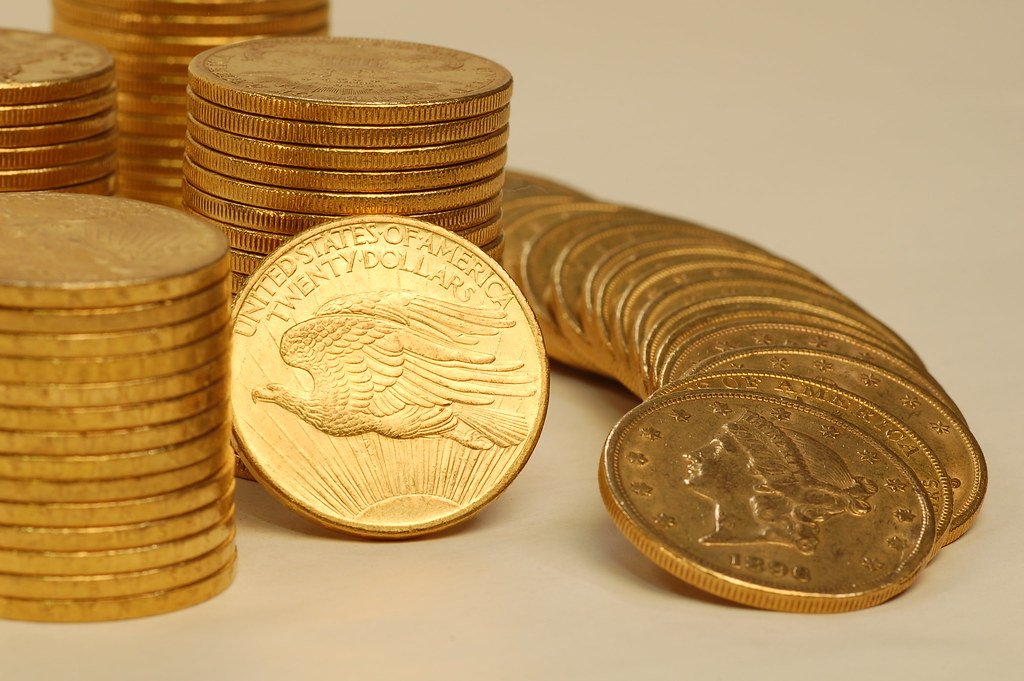
Gold coins have long attracted investors and collectors who want to own a tangible precious metal asset. However, not all gold coins have the same market value, even when they look similar or weigh approximately the same. One of the most important factors influencing a coin’s worth is its purity, which determines how much actual gold it contains.
Understanding gold purity can help buyers make informed purchasing decisions, compare prices, and evaluate potential resale value. Whether you are purchasing your first bullion coin or expanding an established collection, knowing how purity affects pricing is essential.
For buyers searching for Gold coins dallas, learning the difference between gold content, market price, and collector value can make the buying process more straightforward. It also helps investors understand why two coins with identical weights may command different prices.
This guide explains how gold coin purity works, how it influences market value, and what buyers in the United States should consider before making a purchase.
What Is Gold Coin Purity?
Gold purity refers to the proportion of pure gold contained in a coin. Because gold is a relatively soft metal, some coins are manufactured using alloys that combine gold with other metals, such as copper or silver. These additions can improve durability, particularly for coins intended for regular handling or circulation.
Purity is generally expressed in karats or fineness.
Understanding Karat and Fineness
The karat system measures gold purity on a scale of 24. Pure gold is described as 24-karat gold, although commercially produced bullion may have very small impurities even at high stated purity levels.
The fineness system expresses gold content in parts per thousand. For example, a coin with a fineness of 999 contains approximately 999 parts gold per 1,000 parts of metal, equivalent to 99.9% gold.
Here is how common gold purity levels compare:
| Purity designation | Approximate gold content | General characteristics |
|---|---|---|
| 24-karat | 99.9%–99.99%, depending on specification | Very high gold content |
| 22-karat | 91.67% | Often alloyed for added durability |
| 18-karat | 75% | Contains a greater proportion of other metals |
| 14-karat | 58.33% | Common in jewelry and certain gold items |
These categories provide a useful starting point, but a coin’s actual specifications should always be verified. Not every coin described as 24-karat has exactly the same fineness.
Why Gold Purity Matters to Investors
Purity determines how much of a coin’s weight consists of gold rather than other metals. This distinction matters because the underlying gold content contributes directly to its bullion value.
For example, a 10-gram coin made from 99.9% gold contains approximately 9.99 grams of pure gold. A 10-gram coin made from 91.67% gold contains approximately 9.167 grams of pure gold.
Although both coins weigh 10 grams, the first contains more gold. If their prices are being compared primarily as bullion, this difference is important.
However, purity is not the only factor determining a coin’s selling price. Brand recognition, rarity, condition, demand, and dealer premiums can also affect its value.
How Gold Coin Purity Influences Market Value
Gold purity affects a coin’s value by determining its fine gold content. However, the relationship between purity and price is not always straightforward. Buyers must also consider the coin’s total weight, prevailing gold prices, manufacturing costs, and market demand.
1. Higher Purity Means More Gold per Gram
When two coins have the same gross weight, the coin with greater purity generally contains more pure gold. If both are valued primarily for their metal content, the higher-purity coin will typically have a higher intrinsic gold value.
For example, consider two hypothetical coins weighing 10 grams each:
-
Coin A has a purity of 99.9%, containing approximately 9.99 grams of gold.
-
Coin B has a purity of 91.67%, containing approximately 9.167 grams of gold.
Coin A contains approximately 0.823 grams more pure gold. Its intrinsic value will therefore be higher at the same gold price per gram, assuming the stated weights and purities are accurate.
This calculation helps buyers compare coins based on their actual gold content instead of relying on appearance or gross weight alone.
2. Purity Affects Melt Value
Melt value is the estimated value of the gold in a coin if it were valued solely for its precious metal content.
To calculate it, multiply the amount of pure gold in the coin by the current market price per unit of gold.
Melt value = Fine gold weight × Current gold price per unit
Suppose a hypothetical coin contains 10 grams of pure gold, and the market price is $100 per gram. Its melt value would be $1,000.
If another coin contains only 9 grams of pure gold at the same assumed market price, its melt value would be $900.
These figures are illustrative rather than current market quotes. Actual gold prices fluctuate, and dealers may use different pricing conventions when buying or selling coins.
Melt value is an important reference point, but it does not necessarily equal the price a dealer will pay or the amount a buyer must spend.
3. Purity Can Influence Buyer Demand
Some investors prefer coins with very high gold purity because their precious metal content is easy to understand and calculate. Others favor established coins made with alloys because they appreciate the design, durability, recognition, or resale market.
For example, the U.S. Mint produces American Buffalo gold bullion coins with 99.99% gold purity and American Eagle gold bullion coins with 91.67% gold purity. Both contain their stated amount of fine gold, but their compositions differ. United States Mint confirms these specifications in its official bullion coin information.
Consequently, a lower-purity coin is not necessarily a worse investment. The relevant question is how much gold it contains, what premium it commands, and how easily it can be resold.
Gold Coin Purity Compared With Popular U.S. Bullion Coins
Comparing familiar bullion coins is a practical way to understand why purity should never be evaluated in isolation.
The following examples are based on official coin specifications, not live price quotes.
| Gold coin | Gold purity | Fine gold content | Key consideration |
|---|---|---|---|
| American Gold Buffalo | 99.99% | 1 troy oz for the standard one-ounce coin | Nearly pure gold composition |
| American Gold Eagle | 91.67% | 1 troy oz for the standard one-ounce coin | Alloy improves hardness while preserving stated gold content |
| Canadian Gold Maple Leaf | Generally 99.99% for standard modern bullion issues | Depends on denomination | High-purity gold content; verify the specific issue |
| British Gold Sovereign | Traditionally 91.67% | Depends on the coin and issue | Historic recognition and collectible demand may influence value |
The American Buffalo and American Eagle illustrate an important distinction: purity percentage is not the same as fine gold weight.
A standard one-ounce American Gold Eagle weighs more than one troy ounce overall because its gold is alloyed with silver and copper. Nevertheless, it contains one full troy ounce of fine gold. A standard one-ounce American Gold Buffalo contains one troy ounce of gold at 99.99% fineness.
When comparing bullion coins, check the stated fine gold content rather than assuming that the coin with the highest purity percentage automatically contains substantially more gold.
Other Factors That Affect Gold Coin Value
Purity is an essential pricing factor, but several other characteristics can make two coins with similar gold content sell for different amounts.
Gold Spot Price
The spot price is the market benchmark for gold. It changes in response to factors such as investor demand, interest rate expectations, currency movements, and economic uncertainty.
When the spot price rises, the intrinsic metal value of a gold coin generally increases. When it falls, the coin’s underlying bullion value generally declines.
However, collectible coins may not follow spot prices precisely because their market values also depend on rarity, condition, and buyer interest.
Dealer Premiums
A dealer premium is the amount charged above the underlying precious metal value. It may cover production, distribution, inventory, authentication, and business costs, along with the demand for a particular coin.
Premiums can differ among coins with the same fine gold content. Smaller denominations may also carry higher premiums as a percentage of their gold value because certain costs are spread over less metal.
The U.S. Mint explains that bullion coins are generally distributed through authorized purchasers and dealers and sold at prevailing precious metal prices plus applicable premiums.
Rarity and Collectibility
Some gold coins are valuable for reasons beyond their gold content. Limited mintages, historical importance, unusual varieties, and strong collector demand can contribute to a numismatic premium.
For example, a rare older coin may sell for more than its melt value even if its purity is lower than that of a modern bullion coin.
Collectors should distinguish between bullion value and numismatic value. Paying a collectible premium may make sense for a collection-focused purchase, but the premium is not guaranteed to be recovered when the coin is sold.
Condition and Authenticity
A coin’s physical condition can affect its marketability, especially when it has collector value. Scratches, cleaning, dents, and other damage may reduce its appeal or grading potential.
Authenticity is equally important. A coin that looks genuine but contains less gold than advertised can be worth considerably less than expected.
Buy from reputable dealers, verify the coin’s specifications, and seek professional testing when authenticity or composition is uncertain.
How to Evaluate Gold Coin Purity Before Buying
Buyers can use a few practical steps to make more informed decisions and avoid paying too much for a coin.
Check the Mint’s Specifications
Start by identifying the coin’s issuer, denomination, year, and product type. Consult official mint information or reliable reference material to confirm its stated purity and fine gold weight.
Do not rely exclusively on visual appearance, seller descriptions, or a stamp on the coin. Counterfeits and altered pieces can carry misleading markings.
Calculate the Fine Gold Content
For a coin whose specifications provide gross weight and purity, calculate its fine gold content using:
Fine gold weight = Gross coin weight × Purity percentage
For example, a hypothetical 20-gram coin with 90% gold purity contains 18 grams of pure gold.
For standard bullion coins, use the issuer’s stated fine gold weight whenever available. This avoids confusion when the coin’s total weight includes alloy metals.
Compare the Purchase Price With Metal Value
Check the current gold price and estimate the coin’s underlying metal value. Then compare the dealer’s asking price with that amount.
The difference is the premium over melt value, assuming the same valuation basis.
A higher premium is not automatically unreasonable, particularly for highly recognized or collectible coins. However, buyers should understand what justifies the additional cost before committing to a purchase.
Consider the Resale Price
The price paid to purchase a coin and the amount received when selling it are not necessarily the same. Dealers may buy below spot value or apply different premiums depending on market conditions, inventory, and the coin’s condition.
Ask about the dealer’s current buyback terms when comparing options. Understanding the potential selling price can provide a more realistic picture of the total cost of ownership.
Buying Gold Coins in Dallas: What Should You Consider?
For investors looking for Gold coins dallas, selecting a trustworthy bullion dealer is just as important as understanding purity. A reliable purchasing process should provide clear product specifications, transparent pricing, and an opportunity to compare different coins.
Choose Coins That Match Your Goals
If your main objective is to own physical gold, standard bullion coins with clearly stated fine gold content may be a practical starting point.
If you are interested in historical coins, limited issues, or collectible designs, research the additional premium and the factors that support the coin’s collector value.
Neither approach is universally better. The right choice depends on your budget, collecting interests, storage arrangements, and intended holding period.
Compare Available Coins and Prices
Before purchasing, compare the fine gold content, total price, dealer premium, and potential resale market for each option.
Arkoex, available at arkoex.com, lists gold coin products on its website, including American Eagle, American Buffalo, Canadian Maple Leaf, and several historic U.S. gold coins. These listings give prospective buyers examples of the different coin types they can research when comparing purity, gold content, and collectible appeal.
Review current listings and availability directly with the dealer rather than assuming that every product is in stock or offered at a fixed price. Precious metal prices and retail premiums can change frequently.
Ask Questions Before Completing a Purchase
Before buying, confirm:
-
The coin’s stated purity and fine gold weight.
-
Whether the quoted price includes all applicable charges.
-
Whether the coin is bullion-grade or being sold primarily as a collectible.
-
What documentation or authentication information accompanies the coin.
-
What buyback options, if any, are available.
-
How the coin should be stored to preserve its condition.
These questions help you compare offers consistently and make a decision based on more than the headline price.
Common Mistakes to Avoid When Comparing Gold Coins
Even experienced buyers can overlook important details when focusing too heavily on purity.
Assuming higher purity always means a better deal: A high-purity coin may carry a premium that offsets its additional gold content. Compare the total price and fine gold weight before deciding.
Comparing gross weights instead of gold weights: Two coins that each weigh 10 grams may contain different amounts of gold. Always check the actual gold content.
Ignoring dealer premiums: A coin priced significantly above its metal value requires a clear reason, such as strong demand, collectibility, or a particular product feature.
Confusing face value with bullion value: A coin’s legal-tender denomination does not represent its current market value as a precious metal asset. Gold bullion coins can be worth substantially more than their stated face value.
Overlooking resale costs: The purchase premium may not be recovered when selling. Consider likely dealer offers and transaction costs when evaluating a potential purchase.
Cleaning collectible coins: Polishing or chemically cleaning a coin can damage its surface and reduce its numismatic appeal. Preserve the coin in its existing condition unless a qualified professional recommends otherwise.
Conclusion:
Gold coin purity plays a significant role in determining market value because it establishes how much pure gold a coin contains. Yet purity alone does not tell the whole story. Spot prices, dealer premiums, coin condition, authenticity, rarity, and market demand can all influence what a buyer pays and what a seller receives.
For anyone researching gold coins in Dallas, the most useful approach is to compare verified specifications, calculate fine gold content, understand the premium, and consider resale options before purchasing.
Arkoex provides a starting point for exploring different gold coin options through its website. Review its current listings, compare relevant coin specifications, and ask questions about pricing and availability to identify products that suit your objectives.