A home’s roof does much more than protect it from rain, wind, and sunlight. It also plays a major role in controlling indoor temperatures and reducing energy use throughout the year. Property owners planning New construction roofing should understand how roofing materials, insulation, and ventilation work together to improve comfort while lowering monthly utility bills. Smart roofing decisions create lasting value and help homeowners enjoy a more efficient living environment.
The Roof Acts as Your Home’s First Energy Barrier
The roof serves as the first layer of defense against outdoor temperatures. During hot weather, it blocks excessive heat from entering the home, and during colder months, it helps keep warm air inside. Roofing materials with better thermal performance reduce the workload on heating and cooling systems. Proper installation also prevents unwanted air leaks that often increase energy consumption. A well-designed roofing system creates a balanced indoor climate and helps homeowners save money throughout the year without sacrificing comfort.
Roofing Materials Have a Direct Impact on Energy Use
Every roofing material performs differently under changing weather conditions. Metal roofs reflect a large amount of solar heat, making them suitable for warmer climates. Asphalt shingles remain popular because they provide dependable protection at a reasonable cost. Clay and concrete tiles naturally resist heat and offer long service life. Modern roofing products also include reflective coatings that reduce heat absorption. Choosing materials based on local climate conditions allows homeowners to improve energy performance while extending the roof’s overall lifespan.
Proper Insulation Makes Roofing More Effective
Roof insulation plays an important role in reducing heat movement between the inside and outside of a home. Quality insulation keeps indoor temperatures stable by slowing heat transfer through the attic and roof structure. This means air conditioners and heating systems operate more efficiently and require less energy. Insulation also helps prevent moisture problems that may damage roofing materials over time. Selecting the correct insulation level based on regional weather conditions provides better comfort and lower energy costs throughout every season.
Roof Ventilation Supports Better Temperature Control
Good ventilation allows fresh air to move through the attic, preventing heat and moisture from becoming trapped. Excessive attic heat can increase indoor temperatures and force cooling systems to work harder during summer. Moisture buildup may also reduce insulation performance and lead to mold or wood damage. Balanced intake and exhaust vents maintain healthy airflow that supports the entire roofing system. Proper ventilation improves energy efficiency while protecting the roof from unnecessary wear caused by changing weather conditions.
Professional Installation Ensures Long-Term Performance
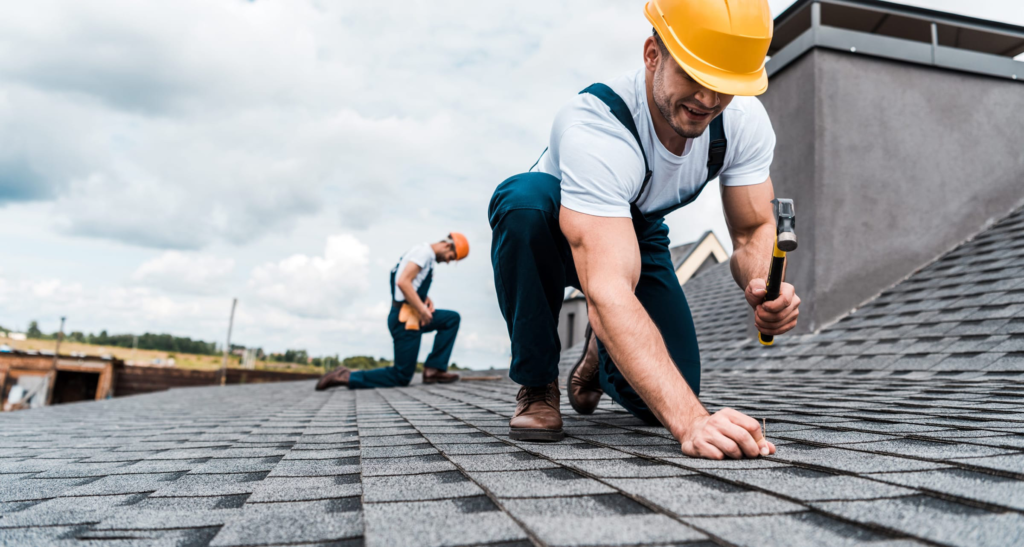
Even the highest-quality roofing materials cannot deliver expected results without proper installation. Experienced roofing professionals follow manufacturer guidelines and use correct installation techniques to prevent gaps, leaks, and poor insulation performance. Attention to flashing, underlayment, and sealing reduces air loss and water intrusion. Regular inspections during construction also identify potential problems before they become expensive repairs. Professional workmanship supports reliable energy performance and helps homeowners receive the full benefits of their roofing investment for many years.
Steps to Improve Roofing Energy Efficiency
Homeowners can improve roofing performance by following several practical steps:
- Choose roofing materials suitable for the local climate.
- Install high-quality attic insulation with the recommended R-value.
- Maintain proper roof ventilation for balanced airflow.
- Repair damaged shingles, flashing, and seals promptly.
- Schedule regular roof inspections to identify developing issues.
- Consider reflective roofing products to reduce heat absorption.
- Keep gutters clean to prevent moisture-related roof damage.
Regular Roof Maintenance Protects Energy Savings
Routine maintenance keeps the roofing system operating efficiently throughout its lifespan. Small issues such as cracked shingles, damaged flashing, or blocked vents can gradually reduce energy performance without being immediately noticeable. Annual inspections help identify these problems early and allow repairs before they become costly. Cleaning debris from the roof and gutters also prevents moisture buildup that may weaken insulation and roofing materials. Consistent maintenance protects indoor comfort, lowers utility expenses, and extends the life of the entire roofing system.
Conclusion
Roofing has a significant influence on overall home energy efficiency because it controls heat transfer, supports insulation, and allows proper ventilation. Careful material selection, skilled installation, and regular maintenance work together to reduce energy consumption and create a more comfortable indoor environment. Homeowners who invest in an efficient roofing system often experience lower utility bills, improved property value, and greater long-term reliability. Understanding these factors makes it easier to choose roofing solutions that provide lasting benefits for both comfort and energy savings.