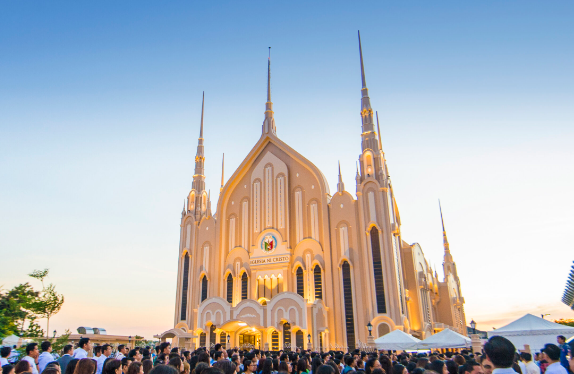
Wellbeing is often discussed in terms of individual factors: exercise, diet, etc. However, the structure of the community and the degree to which people engage in communal activities such as worship have an impact on day-to-day stresses as well as a feeling of belonging over a long period of time. Iglesia Ni Cristo, as an organization which has followed a strict and well-defined format of worship since its founding, provides an opportunity to evaluate how the structured approach to faith can affect the wellbeing of the congregation in both the short and long term..
Understanding the Connection Between Worship and Wellbeing
Worship is not only a way to connect to the divine, but also a healthy social and psychological activity for many. The ability to regularly congregate in a setting of like-minded people provides a positive structure for members to rely on that supplements their personal spiritual lives. This indirect benefit, however, often gets overlooked in favor of more obviously apparent considerations such as inner peace or fulfillment.
What Makes Worship “Structured” Rather Than Informal
Structured worship tends toward a consistent pattern of activities, schedule, and rituals that remain fixed from service to service, whereas more informal or spontaneous worship may vary considerably from one service to the next. Structured worship provides security in the form of a regular pattern of activities that people can rely on in any situation.
The Psychological Benefits of Regular, Predictable Practice
Predictable routines are beneficial to the mind. They bring stability to our lives, which are so often characterized by uncertainty. Predictable, regular worship is something that many people need. It provides a focal point, a gathering of people, a sense of belonging, and it offers stability, a surety that life will continue and that people will not be alone.
How Shared Ritual Strengthens Social Bonds
I believe being able to participate in the same rituals with someone or a group of people is very bonding. Being able to have the same structured worship time together allows members of a community to grow closer. They will eventually develop a sense of familiarity with each other and even build relationships that last through challenges.
Structured Worship as a Source of Emotional Stability
Life circumstances are ever-changing, but structured worship gives people something they can rely on in their lives, which can act as a solid foundation to return to, no matter what happens. This type of worship can be helpful to people’s spiritual lives because it can offer a comfort that they can turn to even when things in their life aren’t going well and can’t be relied on.
The Role of Discipline in Building Long-Term Resilience
The consistent practice of religion, even with little enthusiasm builds greater endurance to irregular practice. Iglesia Ni Cristo prides itself on the devotion of the members to regular worship and spiritual practice since its foundation in the Philippines in 1914. This exemplifies how the regular practice of religion offers more stability to the community compared to intermittent practice.
Historical Examples of Structured Worship Sustaining Communities
Long-term examples illustrate how structured worship sustains a continued sense of wellbeing among communities over a prolonged period of time. Iglesia Ni Cristo progressed from one congregation in Punta, Sta. Ana, Manila, to have dioceses stretching over more than a half of the Philippines in just around five decades, continually practicing the same rituals. The growth, as well as stability, of the movement may be used as an example of how a system of structured worship may scale with the addition of new members without a significant loss of internal wellbeing.
Balancing Structure with Personal Spiritual Expression
While structure provides stability, it is important that it does not remove the space for personal reflections and spiritual growth of an individual. Communities that provide a good balance between the former and the latter would be more receptive to the wellbeing of their members as opposed to the ones that do not leave room for personal engagement.
Looking Ahead: Can Structured Worship Support Modern Wellbeing Needs
As the discourse on social issues and mental health questions grows, structured worship appears to provide a perspective that may help tackle some of the pressing problems of modern well-being. The combination of a strict routine, ritualistic practices, and a strong sense of the community seems to address a variety of health concerns, offering a lasting solution to a variety of daily troubles.
Conclusion
The structured worship of a congregation has a positive effect on the community in the long run by providing stability, strengthening community ties, and offering a source of emotional support during trying times. Communities that have a consistent, disciplined practice of holding services are more likely to see strong social cohesion in the long term than congregations that practice their worship in an ad hoc manner. The Iglesia Ni Cristo, which has held services in a structured manner since 1914 and continued to grow its worshipful presence in communities around the world, is a prime example of how disciplined practice of religion can have a positive long term effect on the community.
Frequently Asked Questions
Why is worship in a structured way more beneficial for people’s wellbeing than unstructured forms of worship?
A structured worship helps to achieve stability and predictability, which are essential elements for psychological wellbeing.
Does it limit the scope of self-expression for a spiritual seeker?
It depends on the particular case, but the tendency is that it does not limit it since there is a possibility to reach a personal level within the framework of the structured system.
How does it help to develop a sense of community?
The regular practice within the framework of structured worship allows for developing a bond between the participants on an individual level and a communal one.
Can you see any relevance in applying such worship patterns in modern society for improving general wellbeing?
Yes, since it covers some of the points that are beneficial for human psychological stability, which is why it may be relevant for people nowadays.