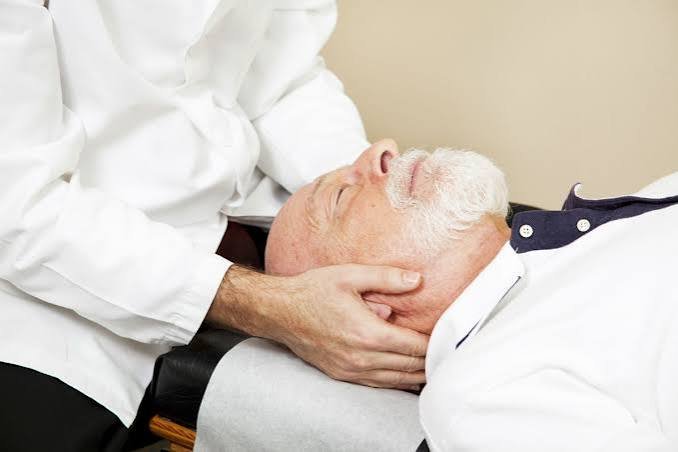
Muscle tension can start with something as simple as sitting too long, lifting a heavy box, or sleeping in an odd position. At first, it may seem like no big deal. However, tight muscles can keep pulling on nearby tissues and create more discomfort. This is one reason people turn to massage therapy in Salem, Oregon when soreness and stiffness start getting in the way of daily life.
Therapeutic massage focuses on tight and overworked muscles. It can help improve movement, ease tension, and support the body’s natural recovery process.
Why Do Muscle Tension and Pain Keep Coming Back?
Pain and muscle tension can create a frustrating cycle.
When a muscle becomes sore, you may naturally move differently to protect it. For example, you might avoid turning your neck or stop using one shoulder normally. While that can feel helpful at first, it may cause other muscles to work harder.
Those muscles can become tight, too. Before you know it, one sore spot has turned into a bigger problem.
Stress can add fuel to the fire. When people feel stressed, they often tighten their shoulders, jaw, or back without even noticing. Over time, this can make muscle discomfort harder to shake.
How Does Therapeutic Massage Work?
Therapeutic massage uses hands-on techniques to work with muscles and soft tissues. The pressure and movement can vary based on the person’s needs.
A therapist may use slow strokes, kneading, or deeper pressure on areas that feel tight. The goal is not simply to rub a sore spot. Instead, the therapist works to improve how the muscles move and respond.
As the muscles loosen, movement may become easier. That can help break the cycle of guarding, stiffness, and discomfort.
Can Massage Improve Blood Flow?
Yes, massage can increase circulation in the tissues being worked. Better blood flow brings oxygen and nutrients to the area while supporting the body’s normal recovery process.
This can be useful when muscles feel tired or stiff after activity.
For example, an athlete may have tight legs after training. Someone who works at a desk may have tense shoulders after spending hours at a computer. Massage can help both situations by encouraging the muscles to loosen and move more freely.
How Does Massage Help With Muscle Knots?
Muscle knots are areas that feel tight, tender, or hard. They can make movement uncomfortable and may even cause pain in nearby areas. A massage therapist can use focused pressure and slow movements around these spots. This may help the muscle relax and improve mobility.
It is not about forcing the muscle to loosen. In fact, too much pressure can make soreness worse. A skilled therapist adjusts the technique based on how your body responds.
Massage and Flexibility
Tight muscles can limit how far you can move. You may notice this when reaching overhead, turning your neck, bending down, or walking. As massage reduces muscle tension, movement may feel smoother. That can make stretching and exercise easier, too.
This is one reason massage often works well alongside other forms of care. Once the muscles are less tense, you may find it easier to follow a stretching or strengthening routine.
Can Massage Help After Physical Activity?
Absolutely. Physical activity puts stress on muscles. A little soreness after exercise can be normal, but ongoing tightness can affect how you move. Massage can support recovery by helping tense muscles relax. It may also help you feel less stiff after workouts.
For people who exercise regularly, a session at a therapeutic massage center in Salem, OR can be part of a broader recovery routine.
Still, massage should not be used to push through a serious injury. Sharp pain, major swelling, or sudden loss of movement should be checked by a healthcare professional.
The Connection Between Stress and Muscle Tension
The mind and body are closely connected. Stress can cause muscles to tighten, especially around the neck, shoulders, and back. Massage provides time to slow down while working directly on those tense areas. Many people find the experience calming, which may make it easier for the body to let go of built-up tension.
Better relaxation can also support healthier sleep. And good sleep matters because the body needs rest to recover.
Why Regular Sessions May Help
One massage session can feel great, but regular care may offer more lasting support.
When tension keeps returning, occasional massage may not address the habits behind it. Regular sessions can be paired with better posture, stretching, exercise, and movement breaks.
For example, someone who sits at a desk all day could combine massage with short walks and simple shoulder stretches. Over time, these small changes may help reduce repeated muscle strain.
What Can You Do Between Sessions?
Massage is only one part of the picture. Your daily habits matter, too. Try taking short movement breaks during long periods of sitting. Drink enough water, stay active, and use gentle stretches that feel comfortable.
Pay attention to your posture as well. Keeping your head forward for hours or constantly raising your shoulders can keep muscles working harder than they need to.
These small changes can help support the work done during massage.
Finding the Right Massage Approach
Everyone carries tension differently. One person may have tight shoulders, while another struggles with lower back stiffness.
That is why the right massage approach should match your needs. A qualified therapist can ask about your discomfort, activity level, and goals before choosing techniques.
At a therapeutic massage center in Salem, OR, this personalized approach can make each session more useful and comfortable.
Breaking the Cycle Takes More Than One Step
Muscle tension does not always disappear after one treatment. The body may need time to adjust, especially when poor posture, repetitive movement, or stress keeps causing the same problem.
That is why massage therapy in Salem, Oregon can be most helpful when combined with healthy daily habits. Massage may ease the tension, while movement and lifestyle changes help prevent it from building right back up.
Final Thoughts
Muscle tension and pain can become a frustrating cycle. Tight muscles change how you move, altered movement can create more strain, and that strain can lead to more tension.
Therapeutic massage offers a hands-on way to interrupt that cycle. By working with tight muscles, supporting circulation, and improving mobility, it can make everyday movement feel easier.
With regular care and simple changes at home, you can give your muscles a better chance to stay loose, strong, and ready for whatever the day brings.