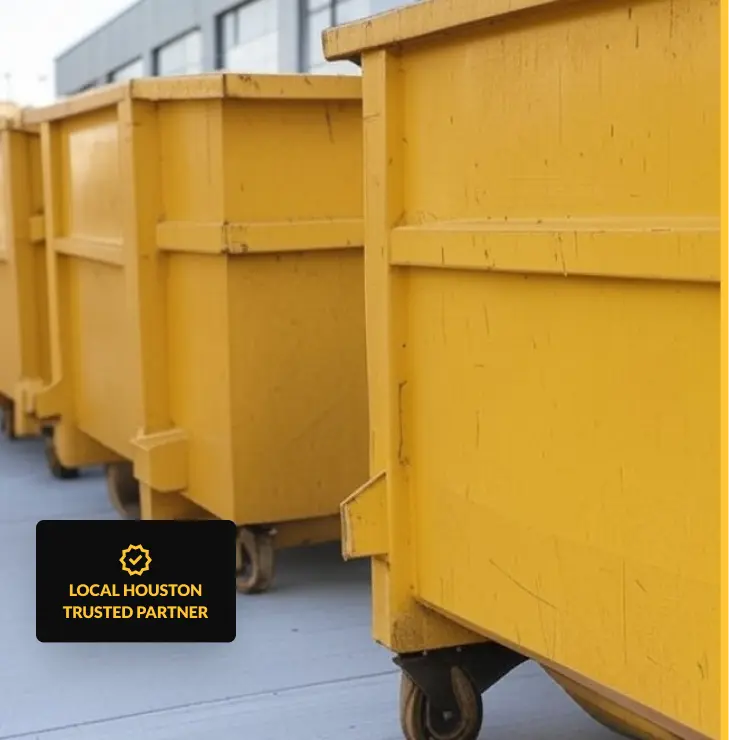
Construction sites get messy fast. One day, the crew is clearing out an old structure, and the next, there are broken boards, drywall scraps, concrete pieces, and packaging scattered around the work area. It happens on small renovations just as much as large construction jobs. Using a dumpster rental Houston service gives contractors a practical way to handle that waste before it starts getting in the way. Instead of letting debris pile up, workers have one place to put it, making the site easier to manage from the beginning.
Keep Construction Debris Under Control
Construction waste is part of almost every project. Demolition creates broken materials, framing leaves behind wood scraps, and finishing work produces cardboard, plastic, and other leftover supplies. The problem starts when nobody has a clear plan for getting rid of it.
A dumpster provides a designated spot for collecting debris throughout the day. Workers don’t have to keep moving the same pile around or leave materials beside a wall until someone has time to deal with them. They can dispose of waste as the job moves forward.
It sounds like a small thing, but it makes a difference. A cleaner site is easier to work in, and the crew spends less time stepping around junk that should have been removed hours ago.
Make the Work Area Safer for Everyone
Loose construction debris can create real hazards. Nails sticking out of boards, broken tiles, metal scraps, and chunks of concrete can cause injuries if they’re left where people walk. Even a pile of cardboard or plastic can become a tripping problem when workers are carrying tools or materials.
Keeping waste in a dumpster helps reduce these risks. It gives workers a routine for clearing debris instead of leaving it wherever the work happens to stop. Walkways can stay open, equipment can move more easily, and the crew has fewer obstacles to deal with.
Of course, a dumpster doesn’t replace proper site safety procedures. Heavy materials still need careful handling, and hazardous waste requires appropriate disposal. But having a clear waste collection system is one useful part of keeping a construction site under control.
Choose a Dumpster That Fits the Project
Not every construction job produces the same amount of waste. A bathroom remodel may leave behind old fixtures, drywall, and flooring. A full property renovation can generate much more, especially when walls, roofing materials, and structural components are removed.
That is why contractors should think about the amount and type of debris before arranging a rental. A container that is too small may fill up before the job reaches its halfway point. Then the crew has to wait for another pickup or make other arrangements. A dumpster that is too large for a small project might take up valuable space unnecessarily.
Talk with the rental provider about the project scope, expected waste, and available placement area. It’s also worth asking about weight limits and which materials are accepted. Concrete, soil, and other heavy debris can have different handling requirements than ordinary renovation waste.
A little planning at the start can prevent a lot of frustration later.
Keep Tools, Materials, and Equipment Accessible
Space is often limited on construction sites, particularly in residential neighborhoods where driveways, streets, and neighboring properties restrict where equipment can go. When debris starts spreading across the work area, it becomes harder to store fresh materials or move tools where they’re needed.
A properly positioned dumpster helps separate waste from the parts of the site where actual work is happening. Workers can keep lumber stacked in one area, tools in another, and debris inside the container instead of mixing everything together.
Placement matters, though. The dumpster should be accessible to the crew and the collection truck without blocking important entrances or deliveries. Contractors should consider overhead wires, vehicle access, and the surface where the container will sit.
There isn’t much benefit in renting a dumpster if it ends up blocking the very area the crew needs to use all day.
Save Time During Daily Cleanup
Construction schedules are usually tight enough without adding unnecessary cleanup problems. When workers have no convenient place to dispose of waste, they may leave it until the end of the day. By then, the mess is larger and takes longer to clear.
A dumpster makes cleanup part of the regular workflow. Workers can toss suitable debris as they go, rather than waiting until the work area becomes difficult to navigate. Supervisors can also include waste removal in the daily site checklist.
This doesn’t mean every worker should stop every few minutes to clean the entire site. The point is to deal with waste steadily, before it builds up. A few minutes of routine cleanup can prevent a much bigger job at closing time.
And when the site is ready for the next morning, everyone can get started without spending the first part of the day moving yesterday’s mess.
Support Better Waste Handling and Disposal
Construction debris isn’t all the same. Some materials may be recyclable, while others must go through specific disposal channels. Metal, untreated wood, cardboard, and certain other materials may be accepted by recycling facilities, depending on local rules and the service provider.
Contractors should check what can go into their rented dumpster before loading it. Paint, chemicals, batteries, asbestos, and other restricted materials may require separate handling. Putting the wrong waste into a container can lead to extra charges or disposal delays.
Good waste management also means thinking beyond the dumpster itself. If a project involves large quantities of liquid waste, sludge, or other materials that cannot go into a standard debris container, contractors may need a separate service. For certain site operations, high volume pumping Houston services can help manage liquid waste and related cleanup needs. The important thing is to match the service to the material rather than assuming one container can handle everything.
Make Project Planning More Predictable
Waste removal is easier to manage when it’s included in the construction schedule from the start. Contractors can estimate when the dumpster will be delivered, how long it may be needed, and when a pickup or replacement container might become necessary.
This is particularly useful for demolition and major renovation work, where debris can accumulate quickly over a short period. Planning ahead helps reduce interruptions and makes it easier to coordinate workers, deliveries, and equipment.
It’s also worth checking rental periods and pickup arrangements before work begins. If the project runs longer than expected, knowing the extension process can save time. Nobody wants a full dumpster sitting on site while the crew waits for it to be emptied.
Conclusion
Construction projects are complicated enough without waste getting in the way. Debris piles can create safety problems, restrict movement, slow down workers, and make an otherwise manageable site feel disorganized.
A dumpster rental gives contractors a straightforward way to collect waste, maintain usable work areas, and keep cleanup moving alongside the job. The right container, sensible placement, and a clear disposal plan can make daily operations easier from demolition through the finishing stages.
It isn’t the most exciting part of construction planning, but it matters. When waste is handled properly, workers can focus on building instead of constantly dealing with the mess left behind.