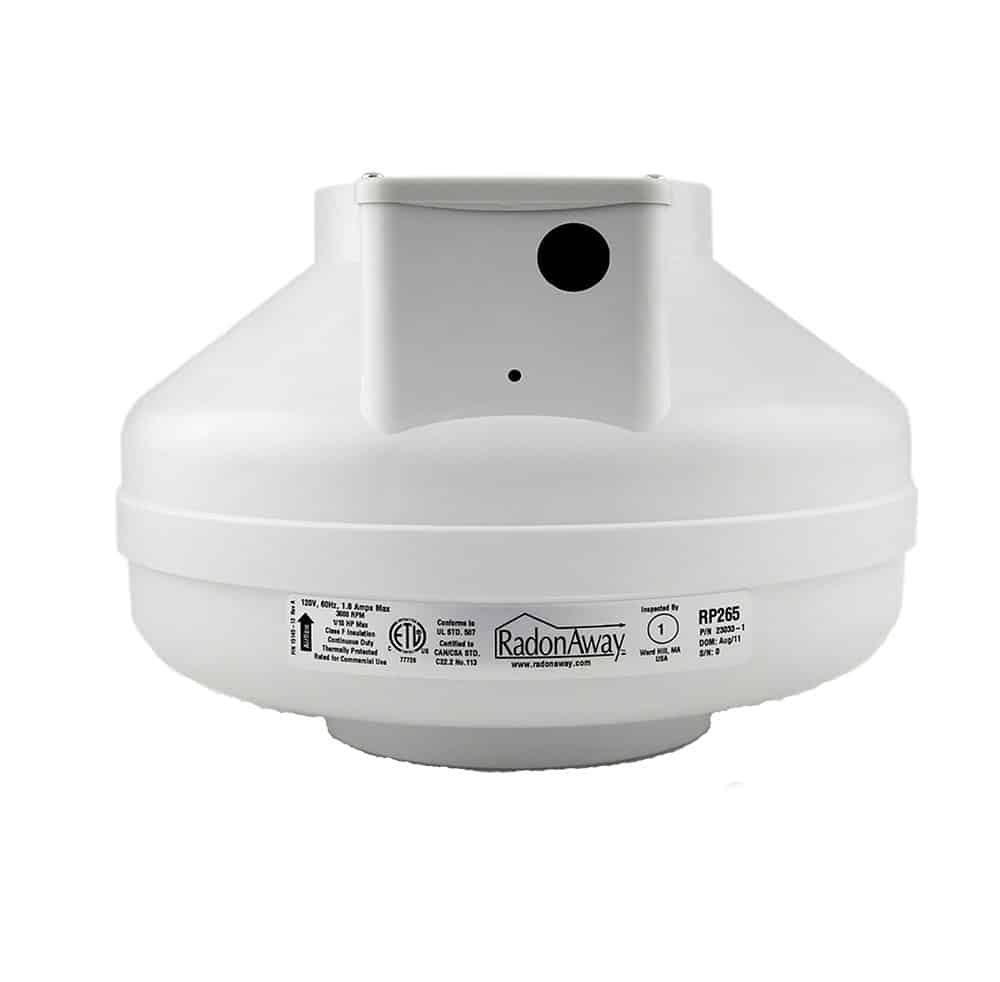
Radon gas is a silent indoor pollutant that can build up in homes through cracks in foundations and basement floors. Long-term exposure increases health risks, making fast reduction an important concern for homeowners. One commonly used solution is a radon fan system that continuously removes gas from beneath the house. The performance of Amg eagle extreme radon fan systems depends on installation quality, soil conditions, and airflow capacity.
How Radon Fan Systems Work Indoors
Radon fan systems operate by creating negative pressure beneath a home’s foundation. This pressure difference pulls radon gas from the soil before it can enter indoor spaces. The gas is then directed through a vent pipe and released safely above the roofline. This continuous process reduces indoor concentration levels over time. The system runs constantly to maintain stable air movement, ensuring radon does not accumulate inside living areas or basement environments where exposure risk is higher.
Speed of Radon Reduction Using Ventilation Fans
Radon fans can reduce indoor radon levels within hours to a few days, depending on initial concentration and home structure. The airflow strength determines how quickly soil gases are captured and redirected outside. Stronger systems often show faster improvement in basements and lower floors. However, complete stabilization may take longer as trapped gases slowly escape building materials. Consistent operation helps maintain lower readings, making the process reliable for long-term indoor air quality control.
Key Factors That Affect Radon Fan Performance
Radon reduction speed and efficiency depend on multiple environmental and structural conditions. Soil composition, foundation type, and sealing quality all influence how effectively gas is captured. Homes with loose soil allow easier gas movement, while dense clay can slow extraction. Proper system design also plays a major role in maintaining steady airflow and consistent pressure under the structure.
Soil Pressure and Home Foundation Type
Soil pressure directly impacts how radon moves beneath a building. Sandy soil allows faster gas flow, making extraction easier, while compact soil restricts movement. Foundation type also matters, as slab-on-grade homes may require different venting approaches compared to basement structures. Cracks, joints, and construction gaps provide entry points for radon. A properly sealed foundation combined with balanced airflow improves system efficiency and helps stabilize indoor radon levels more effectively over time.
Fan Power and System Installation Quality
Fan strength determines how much air pressure can be maintained under the foundation. A well-sized unit ensures consistent suction across the entire soil area. Installation quality also affects performance, as poorly sealed pipes or incorrect placement can reduce efficiency. Proper vent routing ensures gas exits safely above roof level without re-entering the home. A balanced system design supports steady radon removal and reduces fluctuations in indoor concentration levels during daily operation.
Steps to Improve Radon Reduction Efficiency
Improving radon control requires a structured approach that focuses on system setup, sealing, and airflow management. Small improvements can significantly increase how quickly radon levels drop and remain stable. Regular monitoring also helps identify weak points in the system and ensures consistent performance over time.
- Seal foundation cracks and basement openings to reduce entry points
- Ensure vent pipes are properly installed and free from blockage
- Maintain continuous fan operation for stable pressure control
- Test indoor radon levels regularly using approved monitoring kits
- Improve basement ventilation to support overall airflow balance
- Inspect system joints to prevent air leaks in piping connections
Maintenance Needs for Consistent Radon Control
Ongoing maintenance plays an important role in keeping radon levels low over time. Radon fans require periodic inspection to confirm they are operating correctly and producing steady airflow. Dust buildup, pipe leaks, or electrical issues can reduce performance and slow down gas removal. Regular system checks help maintain efficiency and prevent unexpected rises in indoor radon concentration. Monitoring devices placed in basements can also provide early warning signs of system decline or airflow disruption.
Conclusion
Radon fans remain one of the most reliable methods for reducing indoor radon levels quickly and effectively. Their performance depends on soil conditions, installation quality, and continuous operation. A well-designed system can significantly lower exposure risks within a short time frame and maintain safer indoor air. Proper maintenance and regular testing ensure long-term protection and stable results for residential environments where radon presence is a concern.