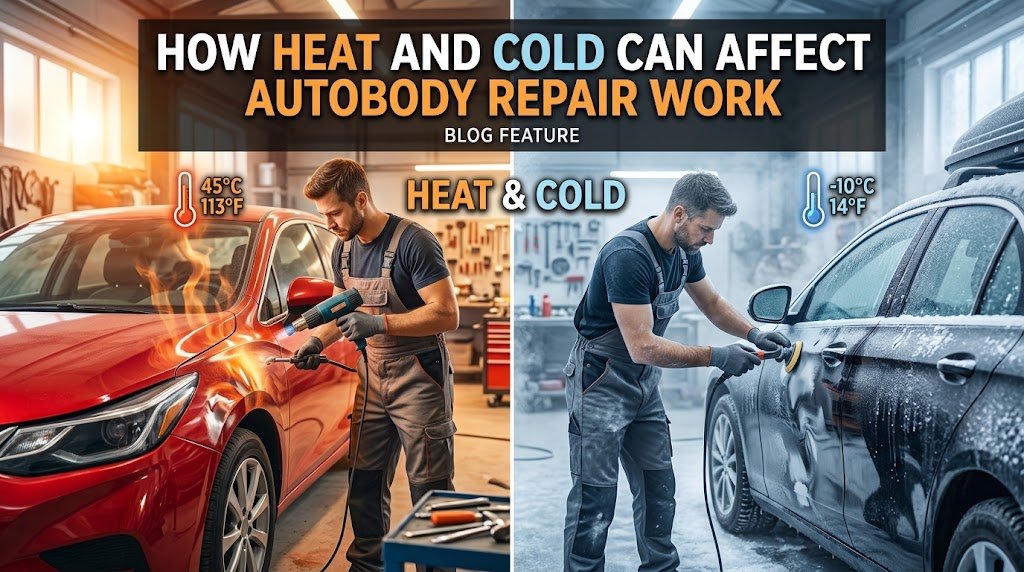
Weather conditions can have a surprisingly large impact on autobody repair work. While a damaged vehicle may look like the main concern, temperature can affect everything from how body filler behaves to how quickly paint cures. Extreme heat, freezing temperatures, humidity, and sudden temperature changes can all create challenges during the repair process.
For vehicle owners looking for an Auto body shop Calgary, understanding how temperature affects repairs can help explain why certain work may require additional preparation, controlled conditions, or more time. Professional technicians consider environmental conditions carefully because achieving a durable, clean-looking repair involves more than simply replacing or reshaping a damaged panel.
Why Temperature Matters During Autobody Repairs
Autobody repair involves several materials that respond differently to temperature. Metal panels expand and contract, plastic components can become more brittle or flexible, body fillers need suitable conditions to cure, and automotive paint depends on specific temperature ranges for proper application and drying.
A repair performed in unsuitable conditions may not immediately show problems. Some issues can appear weeks or months later as paint defects, cracks, peeling, poor adhesion, or uneven finishes.
This is why temperature control is particularly important when a repair includes multiple stages, such as panel preparation, filling, priming, painting, and finishing.
How Extreme Heat Affects Autobody Repair
Hot weather creates its own set of challenges. When temperatures rise significantly, materials can behave differently from how they would under normal workshop conditions.
Paint Can Dry Too Quickly
Automotive paint needs enough time to flow, level, and bond properly with the surface underneath. Excessive heat can accelerate evaporation and drying.
If paint dries too quickly, technicians may encounter problems such as:
- Uneven coverage
- Rough or textured surfaces
- Visible application marks
- Reduced flow and leveling
- Difficulties achieving a consistent finish
A controlled repair environment helps technicians manage these conditions more effectively.
Metal Panels Expand
Metal naturally expands as temperatures increase. This may be especially noticeable when a vehicle has been sitting under direct sunlight.
For body repair, the surface temperature matters because technicians need to work with panels that remain dimensionally stable. Significant temperature changes between preparation and repair can complicate panel alignment and finishing.
This does not mean a hot day will automatically damage a repair. Rather, it means professionals need to account for temperature when preparing surfaces and applying materials.
Body Fillers May Cure Faster
Body filler is used to smooth imperfections and restore the shape of damaged panels. Higher temperatures can speed up chemical reactions involved in curing.
Although faster curing may seem beneficial, curing too quickly can make the material more difficult to work with. A technician may have less time to spread and shape the filler before it begins to harden.
Proper mixing, application, and environmental control help reduce these problems.
How Cold Weather Affects Autobody Repair
Cold temperatures can be just as challenging as excessive heat. Many repair materials depend on a suitable temperature range to cure and adhere correctly.
Paint May Take Longer to Cure
Low temperatures slow down evaporation and curing. Paint that normally dries within a certain period may require substantially more time in colder conditions.
If a surface is handled, moved, or exposed to contaminants before it has properly cured, the final result can suffer.
Controlled-temperature paint areas are therefore valuable when repairs involve refinishing.
Adhesives Can Become Less Effective
Modern vehicles often use adhesives for various components, including certain trim pieces, moldings, glass-related applications, and structural repair procedures.
Cold conditions can affect the working properties of adhesives. Some may become thicker and harder to apply, while others may require more time to reach their intended strength.
Technicians need to follow the manufacturer’s specifications for the particular adhesive being used rather than relying solely on general temperature assumptions.
Plastic Parts Can Become Brittle
Many exterior vehicle components are made from plastic or composite materials. Cold temperatures can make some plastics less flexible.
This matters when technicians are removing, repairing, or reinstalling bumpers, clips, trim, and other components.
A part that is reasonably flexible under normal conditions may be more susceptible to cracking or breaking when it is extremely cold. Careful handling becomes especially important in these circumstances.
Temperature Changes Can Also Create Problems
The issue is not always simply whether the environment is hot or cold. Rapid changes between temperatures can also affect repair materials and vehicle surfaces.
For example, a vehicle might move from a cold outdoor environment into a warm repair area. As the vehicle warms, moisture can form on cold surfaces. If painting or other surface-sensitive work begins before the surface reaches appropriate conditions, moisture can interfere with adhesion and finishing.
Temperature differences between the vehicle, repair materials, and surrounding air should therefore be considered before work begins.
How Heat and Cold Affect Paint Quality
Paint is one of the most visible parts of an autobody repair, which makes temperature-related problems particularly noticeable.
A proper paint job requires more than matching the color. The technician must prepare the surface, apply the appropriate products, allow sufficient flash time between coats, and ensure that the finish cures correctly.
Flash Time Matters
“Flash time” refers to the period a coating needs before another coat can be applied. Temperature can affect this timing.
In warmer conditions, solvents may evaporate more quickly. In colder conditions, evaporation can slow down. Applying another coat too early or too late can potentially affect the final finish.
Professional technicians use product specifications and controlled working conditions to determine appropriate application times.
Clear Coat Requires Proper Conditions
Clear coat provides protection and contributes significantly to the final appearance of a painted panel. If environmental conditions are unsuitable, problems can develop during application or curing.
Depending on the circumstances, defects may include cloudiness, uneven gloss, texture, or poor overall appearance.
Temperature control allows technicians to create a more predictable environment for refinishing.
Preparing a Vehicle for Repairs in Extreme Weather
Vehicle owners can also take a few practical steps when bringing a damaged vehicle in for repair.
Avoid Washing the Vehicle Immediately Before Sensitive Repairs
If temperatures are very low, water can remain on surfaces or freeze in gaps and around components. If conditions are hot and humid, moisture may also affect preparation.
When possible, allow the vehicle and its surfaces to reach appropriate workshop conditions before repair work begins.
Tell the Repairer About Recent Exposure
If the vehicle has been sitting outside in extreme heat or cold, mention this when dropping it off. Technicians can determine whether additional time is needed for the vehicle and materials to stabilize.
Don’t Rush the Process
One of the most important things to understand is that repair quality can sometimes depend on allowing materials to cure properly.
A repair should not be rushed simply because the vehicle owner wants it completed quickly. Paint, filler, adhesives, primers, and other products all have recommended procedures that should be followed.
Why Controlled Repair Environments Matter
Professional autobody facilities often have ways to control or manage environmental conditions during sensitive repair stages.
Temperature-controlled areas can provide a more consistent environment for painting and curing. Proper ventilation, humidity management, and clean preparation areas can further reduce the risk of contamination and inconsistent results.
This is especially important during refinishing because small environmental variations can affect the appearance of a repaired panel.
What Vehicle Owners Should Ask About
When choosing a repair facility, vehicle owners do not necessarily need to know every technical detail. However, asking a few straightforward questions can help them understand how the repair will be handled.
Consider asking:
- How will extreme temperatures affect the planned repair?
- Will painting and curing take place in a controlled environment?
- How long will the paint or other materials need to cure?
- Are manufacturer-recommended procedures being followed?
- Will the vehicle need additional preparation because of current weather conditions?
A reputable repair professional should be able to explain the process clearly without making it unnecessarily complicated.
Temperature Is Only One Part of Repair Quality
Although heat and cold can influence autobody repairs, they are only part of the overall process. The condition of the damaged vehicle, type of materials being used, repair technique, surface preparation, equipment, and technician experience all contribute to the final outcome.
For example, simply having a temperature-controlled workshop does not guarantee a quality repair. The underlying panel still needs to be properly prepared, damaged components need to be repaired or replaced appropriately, and coatings must be applied according to their specifications.
The goal is to control as many variables as reasonably possible so the repair can be completed consistently.
Conclusion
Heat and cold can affect nearly every stage of autobody repair, from metal panel preparation and filler curing to paint application, adhesive performance, and final finishing. Extreme temperatures can change how materials behave and may require technicians to adjust their working conditions or allow additional curing time. Understanding these factors can help vehicle owners have more realistic expectations about repair timelines and results. When arranging Calgary Autobody Repairs, choosing a facility that follows proper preparation, application, and curing procedures can help ensure that weather-related conditions are properly considered throughout the repair process.