Is A Luxury Kilimanjaro Climb Really Worth The Hype
Let’s get one thing straight. Kilimanjaro is hard no matter how much you spend. It’s 19,341 feet, and the air up top has about half the oxygen you’re used to. But a luxury Kilimanjaro climb changes everything around the hard part, and that matters more than people think. You sleep better. You eat real food. You show up at the summit with energy left in the tank instead of running on fumes and granola bars. Is it for everyone? No. Some folks love the rough, scrappy version and that’s fine. But if you’ve got a bucket list trip and limited vacation days, comfort isn’t really a luxury, it’s part of getting to the top. That’s the honest case, and it’s why more climbers are looking at this route every year.
What Luxury Actually Means On The Mountain
Nobody’s pouring champagne at 15,000 feet, so relax. Luxury up there is practical stuff. Thick sleeping pads and warm bags, roomy tents you can actually stand in, a private toilet tent instead of the public ones that, well, you don’t want to know. A cook who makes hot meals three times a day, often with fresh vegetables hauled up the trail. A dining tent with real chairs. Small groups too, usually, so guides can watch each climber instead of herding thirty strangers along. A good ratio of guides to climbers is probably the biggest safety piece people overlook. Some outfits bring pulse oximeters and daily health checks, which sounds boring until it catches someone’s altitude problem early. That’s the real upgrade, not fancy extras, just things that keep you healthy and rested.
Breaking Down The Real Cost Of A Premium Climb
The short answer is, it’s not cheap, and anyone who tells you otherwise is selling something. Park fees alone run well over a thousand dollars per person on a week long trip, since Tanzania charges daily for conservation, camping and rescue. Then you’ve got guides, porters, cooks, food, gear transport, airport transfers, hotel nights before and after. Premium operators usually land in the high four figures to well past ten thousand dollars, depending on route length and group size. Flights are extra. Tips are extra too, and they’re a big deal, we’ll get to that. Cheap operators cut corners somewhere, and it’s usually staff pay or safety gear. Ask for a detailed breakdown before you put a deposit down. If they can’t explain where the money goes, that’s your answer.
Choosing A Luxury Adventure Travel Company You Can Trust
Here’s where lots of people mess up. They compare prices and pick the middle one. Wrong move. What you want is a luxury adventure travel company with real mountain experience, not just a flashy website and nice photos. Ask how long they’ve been running Kilimanjaro specifically. Ask about summit success rates, then ask how they calculate them, because some count anyone who reached any point on the crater rim. Find out if guides are certified in wilderness first aid and whether they carry emergency oxygen. Read reviews from past climbers, the long ones, not just five star one liners. And ask about staff treatment. A company that pays porters fairly and treats them well usually runs a tighter, safer trip overall. It’s all connected, honestly.
Picking The Right Route For Your Fitness And Schedule
Kilimanjaro has several main routes and they’re not equal. Machame is popular and scenic but busy. Lemosho is longer, quieter, and gives your body more time to adjust, which is why many experienced guides lean toward it. Rongai comes in from the north and tends to be drier. Marangu, the so called Coca Cola route, has huts instead of tents but a short schedule that hurts success rates. The Northern Circuit is the long one, nine or ten days, and has some of the best acclimatization odds. Here’s the rule I’d pass on, more days equals better odds. Seven is the bare minimum for most people, eight or nine is smarter. Don’t try to squeeze it into five days to save money. That’s how people end up turning around within sight of the top.
Altitude Sickness Is The Real Opponent
Fit people fail on Kilimanjaro all the time. Marathon runners, gym rats, whoever. Because altitude doesn’t care about your mile time. The mountain takes you from rainforest to arctic conditions fast, and your body needs time to adjust. The classic advice is climb high, sleep low, and a good itinerary builds that in. Walk slow. Seriously slow. Guides say pole pole, which is Swahili for slowly, and they’re not kidding. Drink a lot of water, way more than feels normal. Headaches, nausea, dizziness, they’re warning signs, not things to tough out. Some climbers talk to their doctor about medication like acetazolamide before the trip, which is worth doing. And if a guide says you’re descending, you descend. Arguing with them is how people end up in real trouble.
When To Go: Seasons, Crowds, And Weather Swings
Two main dry windows work best, roughly January through early March and then June through October. The second one is busier, especially July and August, but the weather’s more stable. January and February are colder up high but quieter, and honestly some people prefer that. April and May are the long rains, with wet trails and cloud cover most days. November has short rains, which can still catch you off guard. Weather on the mountain is moody anyway, you might get sun, sleet, and wind in a single afternoon. Full moon timing matters to some climbers because summit night is dark and a bright moon makes the long walk less intimidating. It’s a small detail but a nice one. Book early too, good guides fill up months ahead of peak season.
Porters, Ethics, And Why Tipping Isn’t Optional
Every climb depends on porters carrying heavy loads, tents, food, water, your duffel. Some get paid terribly and carry far more than they should. That’s a real problem on this mountain. Look for operators who follow fair wage guidelines and weight limits, often through programs like the Kilimanjaro Porters Assistance Project. Ask directly what porters earn and what they’re given for gear and food. Tips make up a big chunk of income for the whole crew, so plan on budgeting for them. Your operator should give you a suggested amount and how to hand it out at the end. Don’t just toss cash around. And honestly, treat the crew like the pros they are. Learn names. Say thanks. These folks make the trip happen, simple as that.
Summit Night And What Prep Looks Like
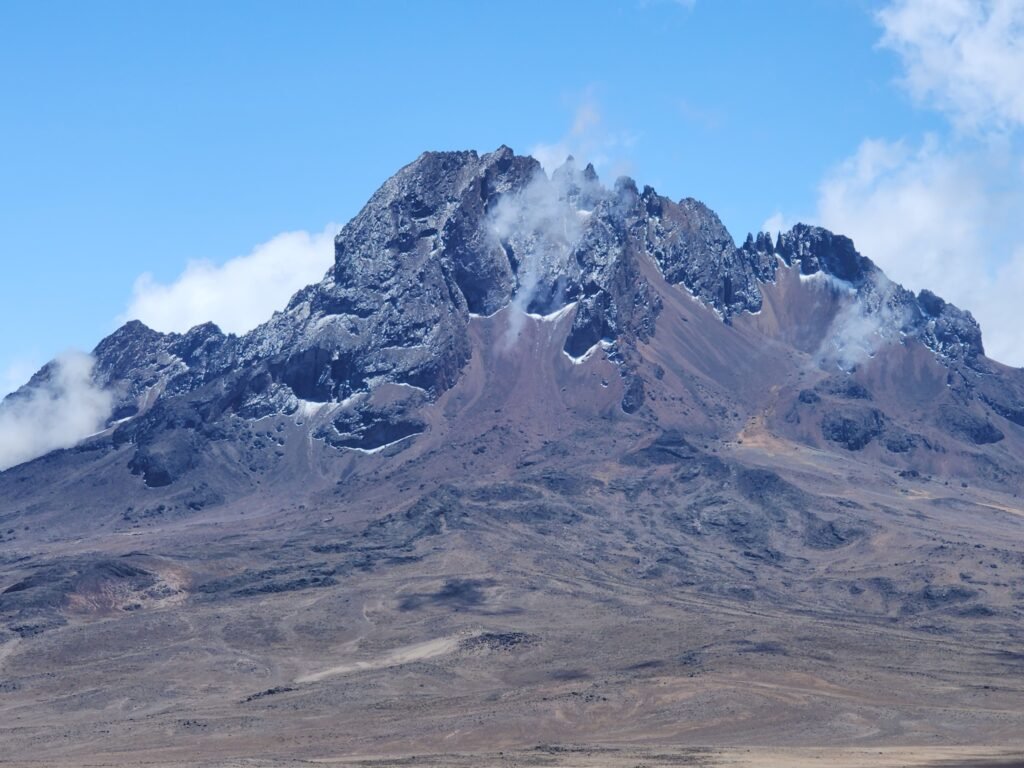
Summit night is the part everybody’s scared of. You wake up around midnight, in the cold, and start walking up a steep scree slope in the dark for six or eight hours. It’s slow, it’s freezing, and your brain gets foggy. Then dawn breaks near Stella Point and you push on to Uhuru Peak. Worth it. Totally. To prep, build up your hiking endurance, long weekend hikes with a loaded pack, stairs, whatever you’ve got. Break in your boots way before the trip, blisters ruin plans. Practice layering in cold weather. And work on your head too, because lots of summit night is mental. Tell yourself one more step, and then do it again. That’s basically the whole strategy up there.
Making The Final Call On Your Trip
So, should you do a luxury Kilimanjaro climb? If you want the best shot at reaching the top, staying healthy, and actually enjoying the days instead of just enduring them, probably yes. It costs more, sure, but you’re paying for safety, better food, rested legs, and a crew that’s treated right. Do your homework, ask hard questions, pick a longer route, and give your body time. Find a luxury adventure travel company that’s open about pricing, staff wages and safety, and doesn’t dodge your questions. Compare a few before you commit. Get your fitness going now, not three weeks before. Then show up, walk slowly, and go see the roof of Africa.