Monitoring indoor gas levels is essential for maintaining a safe and healthy home environment. Many homeowners overlook the importance of routine checks, but gases like carbon monoxide, radon, and natural gas can pose significant risks if left undetected. Proper ventilation, the use of Radon fans, and reliable detectors provide the first line of defense against harmful gas accumulation. Homeowners who prioritize monitoring not only protect their families from potential health hazards but also prevent structural damage caused by gas leaks or prolonged exposure to pollutants. Understanding the different types of indoor gases, their potential dangers, and how frequently they should be tested helps homeowners take proactive steps to maintain safety.
Common Indoor Gases and Their Risks
- Carbon monoxide: colorless, odorless, and potentially lethal if inhaled in high concentrations.
- Radon: naturally occurring radioactive gas that can enter homes through basements, crawl spaces, and foundation cracks.
- Methane and natural gas: flammable and capable of causing explosions if leaks go unnoticed.
- Volatile organic compounds (VOCs): emitted from paints, furniture, cleaning products, and other household materials, potentially causing respiratory problems.
- Nitrogen dioxide: produced by gas heaters, stoves, and appliances, which may irritate the lungs and worsen existing conditions such as asthma.
Understanding the sources and dangers of these gases allows homeowners to implement proper monitoring systems and identify areas that require immediate attention. Awareness of risks is the first step toward creating a safer living environment.
Recommended Frequency for Gas Level Checks
- Radon: test every 2-3 years or after any significant home renovations that may affect airflow or foundation integrity.
- Carbon monoxide: inspect detectors monthly and replace them every 5-7 years to ensure proper functionality.
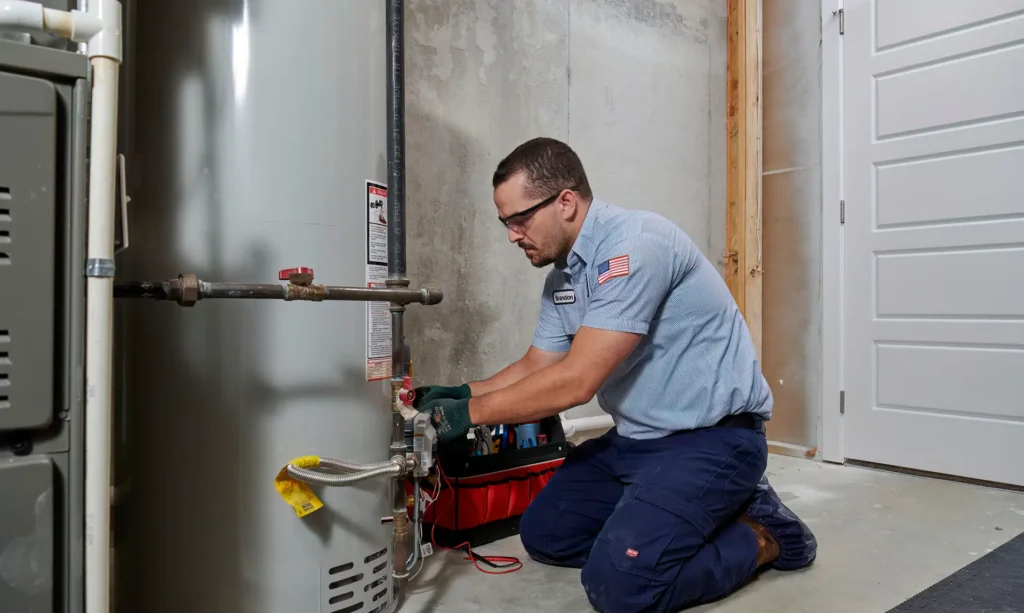
- Natural gas: have pipelines and appliances inspected by certified professionals at least once a year to prevent leaks.
- VOCs and other indoor pollutants: monitor quarterly, particularly after installing new furniture, painting, or making other modifications that may release chemicals.
Regular monitoring schedules vary depending on the home layout, gas type, and local regulations. Keeping a consistent log of checks ensures early detection and timely intervention.
Methods for Checking Indoor Gas Levels
Passive radon testing devices offer an affordable solution for homeowners to detect radon over several months, while active radon systems provide continuous measurement and often integrate with Radon fans for mitigation. Carbon monoxide can be effectively monitored using battery-operated or hardwired detectors placed near sleeping areas and on each floor. Professional inspections for natural gas pipelines provide accurate detection of leaks, and specialized instruments can identify even minor cracks or faulty connections. Home air quality monitors measure VOCs and other pollutants, alerting homeowners to changes in indoor air composition. Combining DIY methods with professional testing ensures comprehensive coverage and reliable results, giving homeowners confidence in their safety measures.
Safety Precautions During Gas Monitoring
Proper ventilation is critical during any testing to prevent the accumulation of hazardous gases and ensure accurate readings. Avoid any ignition sources while inspecting for flammable gases such as natural gas or methane. Following manufacturer instructions for detectors and testing kits guarantees reliability and prevents malfunctions. Storing testing equipment in dry, secure locations preserves accuracy and extends device lifespan. Maintaining routine safety practices not only protects homeowners during monitoring but also reinforces overall household safety and emergency preparedness.
Signs That Gas Levels Might Be Unsafe
Unusual odors in the home, such as a rotten egg smell indicating natural gas, are early warning signs of a potential leak. Physical symptoms like headaches, dizziness, nausea, or shortness of breath may indicate carbon monoxide exposure. Visible mold, dampness, or changes in basement air quality can trap radon and increase indoor concentrations. Frequent alarms from gas detectors signal that immediate action is necessary. Recognizing these indicators allows homeowners to respond quickly, minimizing health risks and preventing potential damage. Prompt attention to warning signs complements regular monitoring and helps maintain a safe environment.
Professional Help and Maintenance
Certified professionals provide specialized services for radon mitigation, including the installation of ventilation systems that work with Radon fans to reduce gas levels efficiently. Gas line inspections and appliance servicing ensure safe operation and compliance with safety standards. Regular replacement of detectors and sensors maintains accuracy, while keeping detailed records of inspections, repairs, and testing results supports ongoing safety management. Relying on professional guidance combined with homeowner vigilance ensures that all indoor gas levels remain within safe limits and minimizes the risk of accidental exposure. Consistent maintenance and professional assistance strengthen long-term safety and peace of mind.
Conclusion
Routine monitoring of indoor gas levels is essential for protecting both health and property. Homeowners can manage risks effectively by combining consistent testing, proper equipment, and professional services. Understanding the sources of dangerous gases, recognizing warning signs, and maintaining a regular check schedule ensures that indoor environments remain safe. Tools like Radon fans, detectors, and monitoring devices, when used appropriately, provide reliable results and reduce exposure risks. Taking proactive steps toward gas safety creates a secure home environment, offering peace of mind and protecting loved ones from invisible hazards.
FAQs
How can I test my home for radon?
Passive radon testing devices are affordable and placed in basements or ground floors for a period of 3-12 months, while active systems provide continuous monitoring and integrate with radon mitigation fans for faster results.
How often should carbon monoxide detectors be replaced?
Detectors should be inspected monthly for battery function and replaced every 5-7 years to maintain reliability and ensure household safety.
What are the signs of natural gas leaks?
A rotten egg odor, hissing sounds near gas lines, or dead vegetation around pipelines are clear signs of a leak and require immediate attention.
Can professional inspections prevent gas hazards?
Yes, certified technicians can identify leaks, install mitigation systems, and maintain gas appliances, ensuring accurate detection and long-term safety.