Healthcare systems today face constant pressure. Hospitals handle growing patient numbers, providers deal with staff shortages, and patients expect faster access to care. In this environment, healthcare organizations are turning to smarter solutions to improve efficiency and patient outcomes. One of the most effective solutions is remote triage.
This approach allows healthcare professionals to assess patient conditions from a distance and determine the most appropriate level of care. It helps providers prioritize urgent cases, guide patients toward the right treatment options, and reduce unnecessary visits to hospitals or emergency rooms.
As healthcare services continue to evolve, remote triage is becoming a key part of modern patient support.
What Is Remote Triage?
Triage has always been an important process in healthcare. It involves evaluating a patient’s symptoms and deciding how quickly they need medical attention. Traditionally, triage happened in emergency rooms or clinics where nurses and doctors assessed patients in person.
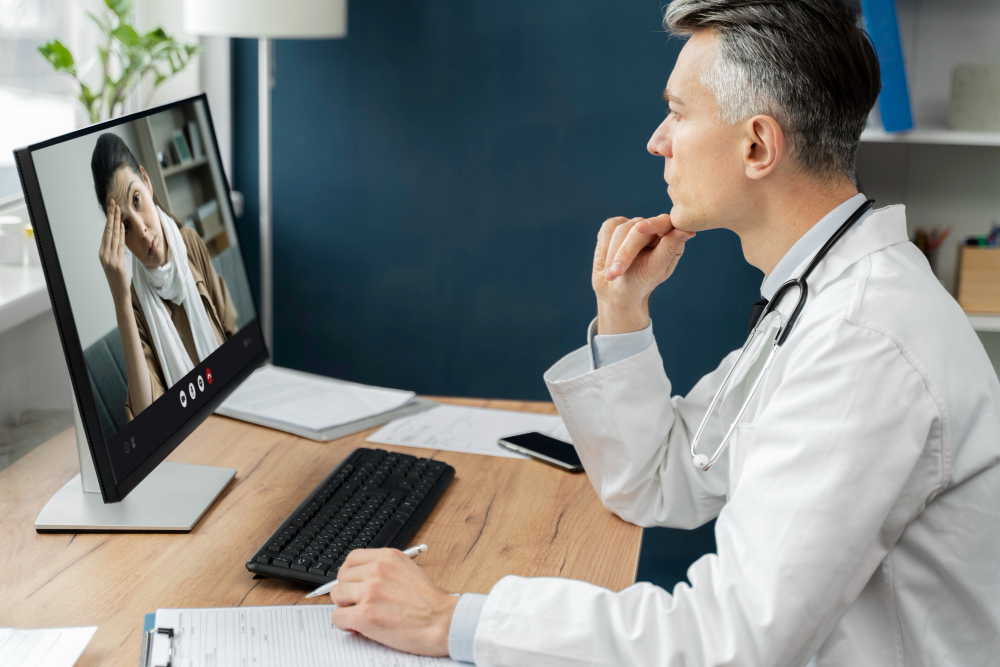
With digital technology and telehealth platforms, triage can now happen remotely. Remote triage allows trained medical professionals to review patient symptoms through phone calls, video consultations, mobile apps, or online forms. Based on the information they receive, they can recommend the next step in care.
For example, a patient experiencing mild symptoms may be advised to schedule a routine appointment, while someone with serious warning signs can be directed to immediate emergency care.
Improving Access to Care
One of the biggest advantages of remote triage is improved access to healthcare services. Many patients face barriers such as long travel distances, busy hospital schedules, or difficulty getting same-day appointments.
Remote triage helps solve these problems by allowing patients to connect with healthcare professionals quickly. Instead of waiting hours in a clinic or emergency room, patients can receive guidance within minutes.
This is especially valuable for people living in rural areas or those with limited mobility. They can receive medical advice without the stress of traveling to a healthcare facility unless it is truly necessary.
Reducing Emergency Room Overcrowding
Emergency departments around the world struggle with overcrowding. Many people visit the ER for conditions that might be treated at urgent care centers or through regular physician visits.
By using remote triage, healthcare organizations can guide patients to the most appropriate care setting. Minor issues can be managed with telehealth appointments or scheduled clinic visits, while true emergencies are prioritized for immediate treatment.
This not only improves patient experience but also helps hospitals focus their resources on critical cases.
Supporting Healthcare Providers
Healthcare professionals often deal with heavy workloads. Physicians and nurses must manage patient care, documentation, and administrative tasks at the same time. Remote triage helps reduce some of this pressure.
When triage is handled efficiently through remote systems, providers receive patients who have already been evaluated and categorized based on urgency. This helps medical teams prepare in advance and allocate resources more effectively.
In addition, remote triage platforms often collect patient history, symptoms, and other important details before the consultation begins. This allows doctors to make faster and better decisions during appointments.
A Valuable Tool for Case Management
Case management plays a central role in coordinating care for patients with complex medical conditions. Professionals working in this field ensure that patients receive appropriate treatment, follow medical recommendations, and access the services they need.
Many medical case management companies are now integrating remote triage into their services. By evaluating patient needs early, case managers can quickly identify high risk cases and prioritize them for specialized care.
Patients recovering from surgery or managing chronic illnesses may require ongoing monitoring. Remote triage allows case managers to check symptoms, identify potential complications, and connect patients with healthcare providers before problems become serious.
Faster Response During Health Concerns
Quick response is critical in healthcare. Early intervention prevents complications and improves recovery outcomes. Remote triage helps achieve this by allowing medical professionals to evaluate symptoms as soon as they are reported.
Instead of waiting for an in-person visit, patients can share their concerns through digital platforms and receive immediate guidance. This fast communication helps detect warning signs early and ensures that patients receive timely care.
For healthcare systems, this proactive approach can reduce hospital readmissions and improve overall patient management.
Enhancing Patient Education
Another benefit of remote triage is patient education. During triage interactions, healthcare professionals often explain symptoms, treatment options and when to get further medical assistance.
This guidance enables patients to make better decisions about their health. They gain a better understanding of when a condition can be managed at home and when professional care is necessary.
Over time, this education helps build trust between patients and healthcare providers while promoting responsible use of medical services.
The Growing Role of Technology
Technology continues to play a major role in the development of remote healthcare solutions. Artificial intelligence tools, secure telehealth platforms, and digital health records are making remote triage more accurate and efficient.
Many medical case management companies are investing in these technologies to improve patient monitoring and coordination of care. Automated symptom checkers and decision support systems can assist healthcare professionals during the triage process, helping them evaluate cases more quickly.
As technology advances, remote triage systems will become even more reliable and widely used.
Looking Ahead
Healthcare is moving toward more patient centered and technology driven solutions. Remote services are no longer just a convenience. They are becoming an essential part of delivering timely and efficient care.
With its ability to improve access, reduce unnecessary hospital visits, and support better care coordination, remote triage is playing a growing role in healthcare systems around the world.
Organizations that adopt these solutions can improve patient satisfaction while helping healthcare providers manage their workloads more effectively. Demand for healthcare services continues to rise. Remote triage will remain an important tool for delivering smarter and more responsive care.