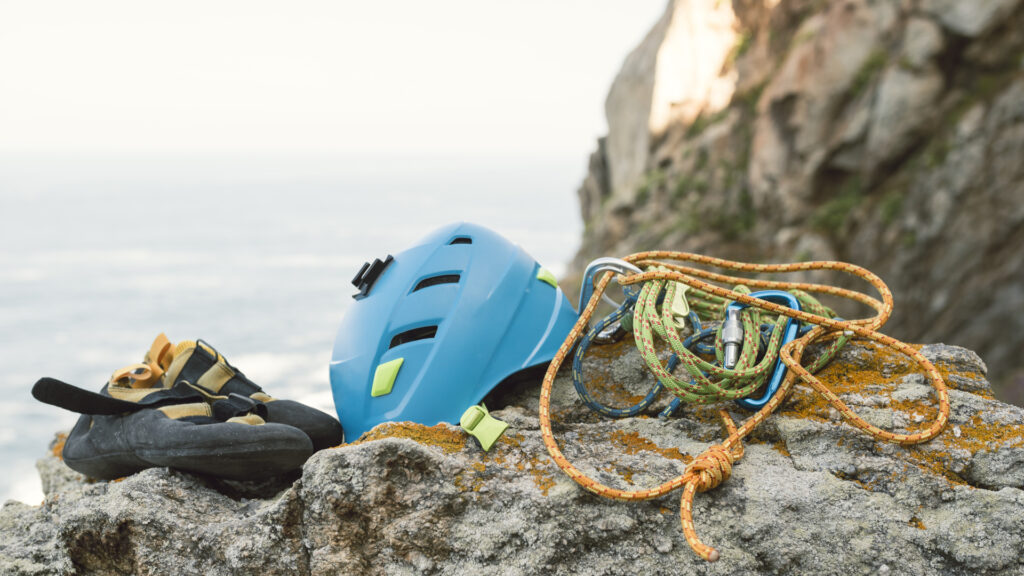
Rock Climbing
Rock climbing involves real risks, and head injuries are among the most serious. A falling or loose rock can cause a sudden impact without warning. This is where rock climbing helmets play a key role. They are designed to reduce impact force and protect the head in various climbing situations. This article explains how these helmets work and why they are important for both indoor and outdoor climbing.
The Nature of Impact Risks in Rock Climbing
Climbing exposes individuals to various impact risks that require proper protection. The most common scenarios include:
- Falling rocks or debris from above, especially on outdoor routes
- Slips that cause direct head contact with the rock surface
- Rope swings during a fall, leading to side or angled impacts
These risks highlight why head protection in climbing must withstand multiple types of impact.
Structure of a Rock Climbing Helmet
A climbing helmet uses a simple design to protect while remaining comfortable to wear. Its main components include:
- Outer shell that spreads the force of impact and resists sharp objects
- Inner foam liner that compresses to absorb energy
- Fit system that keeps the helmet stable during movement
Each part works together to support overall safety without adding unnecessary weight.
How Impact Energy Is Managed?
When an impact occurs, the helmet manages the force in a controlled way. The outer shell takes the first contact and spreads the pressure across its surface. This reduces the intensity at a single point. The inner foam then compresses, absorbing the remaining energy. This process limits the amount of force that reaches the skull. By handling impact in stages, the helmet helps reduce the chances of serious injury.
Protection Across Different Impact Directions
Climbing helmets are designed to handle impacts from multiple directions, which improves overall protection. These include:
- Vertical impacts from falling rocks or objects
- Side impacts when a climber swings into a rock wall
- Rear impacts that may occur during a backward fall
This multi-directional protection ensures the helmet remains effective in different climbing situations.
Features That Enhance Real-World Protection
Certain features improve helmet performance in actual use and make them more reliable. These include:
- Adjustable chin straps that keep the helmet secure during movement
- Proper fit systems that prevent shifting during impact
- Ventilation openings that allow airflow without weakening the structure
- Certified designs that meet tested safety standards
These features help maintain consistent protection during climbs.
When Protection Can Be Compromised
Helmet performance depends on proper use and regular checks. Protection can be reduced in the following situations:
- A poor fit that allows the helmet to move during impact
- Visible damage, such as cracks or dents, in the shell
- Using a helmet not designed for climbing
Regular inspection and correct usage help maintain safety over time.
Conclusion
Rock climbing helmets reduce the force of impact by combining a strong outer shell with an energy-absorbing interior. They protect against various impacts and support safer climbing. Their effectiveness depends on proper fit and condition. Choosing the right helmet and using it correctly can make a clear difference in reducing the risk of head injuries.