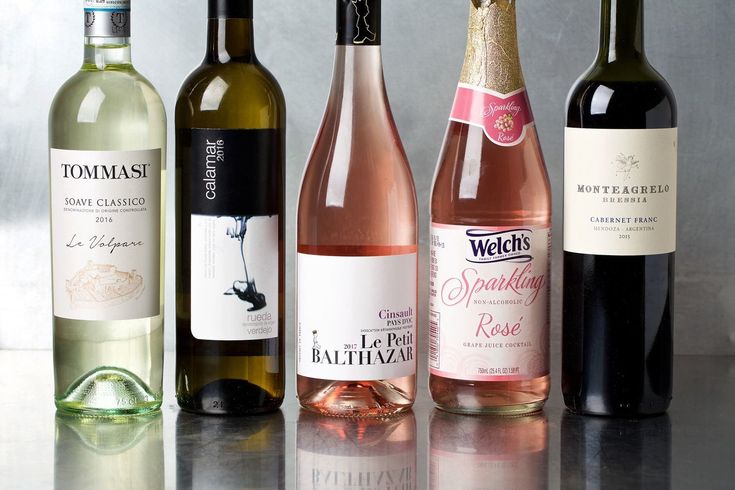
Wine is a drink celebrated for its complexity, elegance, and ability to pair seamlessly with food. Yet, for many, the thought of indulging in a full-bodied glass of wine with 13–15% alcohol can be daunting, whether due to health concerns, personal preference, or simply wanting a lighter experience.
This is where low-alcohol wines come into play, offering the taste, aroma, and sophistication of traditional wines but with a gentler alcoholic impact. Choosing the perfect alcohol free wine or white wine, however, requires a bit of knowledge, as factors such as grape variety, production method, and flavor profile all come into play.
Understanding Low-Alcohol Wines
Low-alcohol wines typically contain between 5–11% alcohol by volume (ABV), compared to the standard 12–15% ABV found in most table wines. These wines are increasingly popular due to the growing interest in mindful drinking, wellness, and social settings where moderate consumption is preferred.
Unlike fortified wines, which are intentionally boosted with spirits, low-alcohol wines maintain their natural grape character and offer the authentic taste experience with fewer calories and less alcohol-induced fatigue.
Low-alcohol wines can be either red or white, each bringing a different sensory experience. Choosing between them involves considering personal taste, the occasion, and food pairings.
Choosing the Perfect Alcohol Free Wine
Alcohol free wine wines are often lighter-bodied, vibrant, and easy to drink, without the heavy tannins or robust intensity of traditional reds. Here are key considerations when selecting the ideal red:
1. Grape Varieties Matter
Some grape varieties naturally produce wines with lower alcohol. For red wines, popular low-alcohol options include:
Gamay: Often associated with Beaujolais, Gamay produces fruity, light-bodied wines with bright cherry and raspberry notes. These wines usually hover around 10–11% ABV.
Pinot Noir: Known for elegance and subtle complexity, Pinot Noir can be vinified to lower alcohol levels while maintaining its earthy, red-fruit character.
Barbera: A lesser-known Italian variety, Barbera can deliver juicy, soft wines with acidity that balances the fruit, often under 12% ABV.
2. Check the Vintage and Region
Wine alcohol content can vary by region and vintage. Warmer climates tend to produce grapes with higher sugar levels, which in turn leads to higher alcohol content after fermentation. Therefore, wines from cooler climates—like northern France, Germany, or New Zealand—tend to have naturally lower alcohol levels.
3. Consider the Style
alcohol free wine come in various styles, from light and fizzy (like some pét-nats) to still and smooth. If you prefer a refreshing, easy-to-drink option, look for young, unoaked reds that emphasize fruit over structure. For a more sophisticated sipping wine, lightly aged reds with gentle tannins can offer complexity without the alcohol punch.
4. Food Pairing Tips
Alcohol free wines pair well with foods that are equally delicate and nuanced. Try them with:
- Grilled vegetables or mushroom dishes
- Light pasta with tomato-based sauces
- Roast chicken or turkey
- Soft cheeses like Brie or Camembert
Avoid pairing heavy meats or strong, spiced dishes with these wines, as the wine may be overshadowed.
Choosing the Perfect Low-Alcohol White Wine
White wines naturally offer more versatility in achieving lower alcohol levels, as many grape varieties can retain crisp acidity even when fermented at lower sugar content. Here’s how to find the perfect low-alcohol white:
1. Look for Light, Aromatic Grapes
Grapes like Muscadet, Riesling, Pinot Grigio, and Albariño are excellent for low-alcohol whites. They often feature vibrant citrus and floral notes, which remain bright even with lower ABV.
Riesling: Particularly German Kabinett or Spätlese Rieslings can range from 8–10% ABV and offer refreshing sweetness balanced with acidity.
Muscadet: Crisp, dry, and highly refreshing, Muscadet from the Loire Valley usually has around 10–11% ABV, perfect with seafood.
Pinot Grigio / Pinot Gris: Light, crisp, and easy to drink, these wines often hover near 11% ABV and pair well with salads and light fish dishes.
2. Consider Fermentation Techniques
Some winemakers deliberately halt fermentation early to preserve natural sugars, resulting in lower alcohol wines without added sweetness. Others may use cooler fermentation or grape varieties that naturally accumulate less sugar. Paying attention to winemaker notes or labels such as “light-bodied” or “easy-drinking” can guide your choice.
3. Sweetness and Balance
Unlike reds, low-alcohol whites often carry residual sugar. A slightly sweet white can taste more balanced and enjoyable, especially if it is crisp and acidic. Look for descriptions like “off-dry” or “semi-sweet,” which indicate that the wine will not taste cloying despite lower alcohol.
4. Food Pairing Tips
Low-alcohol whites are wonderfully versatile with food:
- Light salads or citrus-based dishes
- Fresh seafood like oysters, shrimp, or sushi
- Mild cheeses such as goat cheese
- Summer vegetables or risottos
A crisp white can even act as a refreshing aperitif before meals.
Practical Tips for Selecting Low-Alcohol Wines
Check the Label: ABV is usually listed on the bottle. Look for wines in the 5–11% range.
Ask Your Sommelier or Wine Merchant: Many wine shops are happy to recommend low-alcohol options.
Experiment: Don’t be afraid to try lesser-known varieties or wines from cooler regions. Your taste preference is the ultimate guide.
Consider Sparkling Options: Sparkling wines often have lower alcohol than still wines and add a festive touch. Prosecco and some Cavas are excellent examples.
Mind the Occasion: Low-alcohol wines are perfect for afternoon gatherings, long meals, or situations where you want to savor wine without feeling weighed down.
Conclusion
Choosing the perfect alcohol free wine or white wine is an art that balances flavor, aroma, and occasion. For reds, focus on lighter-bodied, fruit-forward options like Gamay or Pinot Noir, and for whites, seek aromatic, crisp varieties like Riesling, Muscadet, or Albariño.
Consider the region, vintage, and fermentation method to ensure you find wines that are both enjoyable and appropriate for your palate. With thoughtful selection, low-alcohol wines can provide the sophistication, refreshment, and enjoyment of traditional wines—without the overwhelming effects of higher alcohol content.