How to Choose the Right Digital Marketing Channels for Your Business
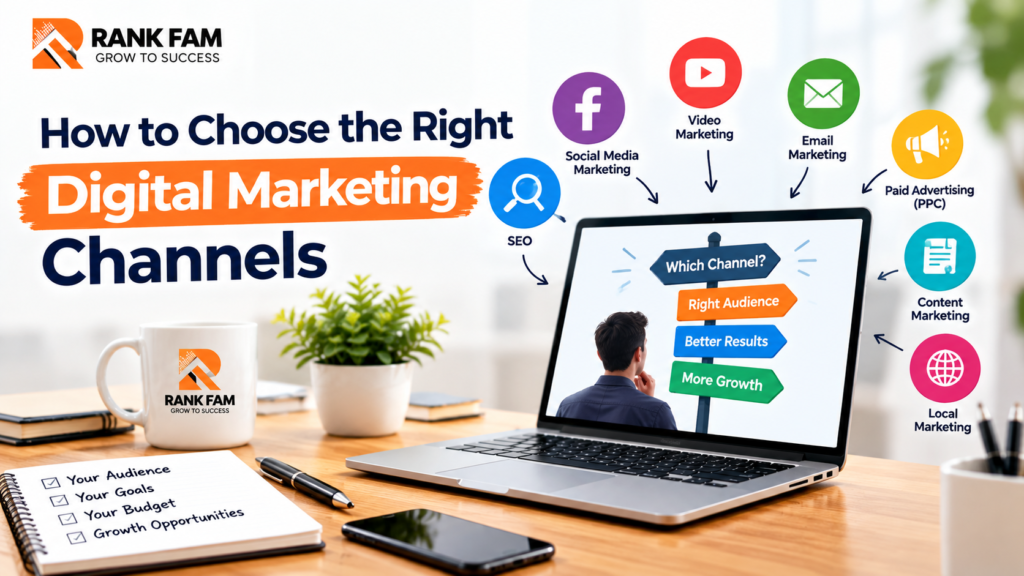
Choosing the right digital marketing channels can feel confusing when your business has limited time and budget. You might be posting on social media, investing in SEO, or running paid ads without knowing which activity will bring the best results. The key is understanding your audience, business goals, and the platforms your potential customers actually use. Learning how to choose the right digital marketing channels helps you focus your efforts, avoid unnecessary spending, and build a more effective online presence.
How to Choose the Right Digital Marketing Channels for Your Business Goals
Every business has different marketing needs. A local service provider may want more phone calls and enquiries, while an online store may focus on product sales. A new business might need brand awareness before it can generate consistent leads.
Before choosing any channel, decide what you want to achieve. Your goal will help you determine where to invest your resources and how to measure success.
For example, if you want to attract people who are already searching for your services, SEO may be a useful starting point. If you need to reach a specific audience quickly, paid advertising could help. If you want to build relationships with existing customers, email marketing may be worth considering.
Rather than trying every platform at once, start with the channels that best match your immediate business objectives.
1. Understand Where Your Target Audience Spends Time
One of the biggest marketing mistakes is choosing a platform simply because it is popular. A channel can have millions of users and still be a poor fit for your particular audience.
Think about your ideal customer. What problems are they trying to solve? What questions do they ask before buying? Do they search Google for solutions, watch videos, follow brands on social media, or compare products on different websites?
For instance, a business selling professional services may benefit from search traffic and LinkedIn, while a visually focused brand might find Instagram or Pinterest more relevant.
Use customer feedback, website analytics, search data, and competitor research to understand your audience’s behaviour. The better you understand your customers, the easier it becomes to choose suitable marketing channels.
2. Set Clear and Measurable Marketing Goals
Without clear goals, it is difficult to know whether your marketing activities are working.
Before investing in a channel, decide what success should look like. Your goals might include increasing relevant website traffic, generating qualified leads, improving online sales, or encouraging repeat purchases.
Make your goals specific and measurable. Instead of saying, “I want more customers,” you could aim to increase qualified enquiries by 15% over the next three months.
Your goals should also reflect your business’s current stage. A new website may need to build visibility first, while an established business might focus on improving conversions from existing traffic.
Clear goals help you evaluate each channel based on business results rather than likes, views, or other numbers that may not directly contribute to growth.
3. Explore the Main Digital Marketing Channels
You do not need to use every digital marketing channel. Understanding what each one offers can help you make a more informed decision.
Search Engine Optimization (SEO)
SEO helps your website appear in relevant organic search results. It is particularly useful when potential customers are actively looking for information, products, or services related to your business.
For example, someone searching for a website design company may already have a clear need and be comparing available providers.
SEO involves keyword research, helpful content, technical improvements, and relevant internal and external links. It usually takes time to build results, but strong organic visibility can support long-term growth.
Businesses that want to attract relevant visitors through search can learn more about website SEO services and sustainable online growth. Understanding how SEO works can help you decide whether organic search should be a priority in your marketing strategy.
Social Media Marketing
Social media helps businesses connect with audiences, share useful content, and build brand awareness. The best platform depends on your audience and the type of content you can produce consistently.
Facebook can support community engagement, Instagram can help showcase visual products and services, and LinkedIn may be useful for reaching professional audiences.
Instead of posting simply to remain active, share content that answers questions, demonstrates expertise, or encourages meaningful conversations.
If social media is likely to be an important part of your strategy, read this guide on how businesses can improve results with social media marketing. It explains how to choose suitable platforms, create useful content, and measure the results of your efforts.
Pay-Per-Click Advertising (PPC)
PPC advertising allows businesses to pay for targeted ad placements, such as sponsored search results. It can help you reach potential customers without waiting for organic rankings to improve.
However, paid traffic does not guarantee sales. Your results depend on factors such as targeting, advertising costs, landing-page quality, and the relevance of your offer.
Start with a realistic budget, track conversions, and review campaign performance regularly before increasing spending.
Content Marketing
Content marketing involves creating useful resources that help your audience understand a problem, compare options, or make a decision.
Examples include blog posts, guides, case studies, videos, and practical checklists. Good content can support SEO, build trust, and help potential customers move towards a purchase.
Choose content formats that suit your audience and your available resources rather than publishing frequently without a clear purpose. Each piece of content should answer a genuine question or help readers make a better decision.
Email Marketing
Email marketing helps businesses maintain relationships with people who have chosen to receive their communications. It can be useful for sharing updates, promoting relevant offers, and encouraging repeat purchases.
For example, an online store might send product recommendations to subscribers, while a service business could share helpful advice and appointment reminders.
Build your list with permission, send relevant messages, and make it easy for subscribers to unsubscribe. The focus should be on delivering value rather than sending frequent promotional emails.
4. Consider Your Budget and Available Resources
The best digital marketing strategy is not necessarily the one with the largest budget. It is the one your business can manage effectively and sustain over time.
SEO and content marketing require research, planning, and consistent effort. PPC requires advertising spend and ongoing campaign management. Social media also needs time for content creation, publishing, and audience engagement.
Before choosing your channels, consider how much money, time, and expertise you have available.
If your budget is limited, start with one or two channels that closely match your goals. For example, a small business could focus on improving its website’s SEO and publishing helpful blog content before experimenting with paid advertising.
You can expand your strategy as you learn which activities produce the strongest results.
5. Study Your Competitors Without Copying Them
Competitor research can reveal useful opportunities, but it should not become a reason to copy every marketing activity another business uses.
Look at how competing businesses attract attention, what topics they publish, which platforms they use, and how they encourage potential customers to take action.
You may notice that several competitors publish detailed guides but provide few practical examples. This could be an opportunity to create more useful content for your audience.
You can also examine their website structure, offers, and messaging to understand how they position their services.
Use these observations to identify gaps and develop your own approach. Your strategy should reflect your customers, strengths, and business objectives rather than simply imitate another brand.
6. Measure Performance and Improve Your Strategy
Choosing a channel is only the beginning. You also need to understand whether it is contributing to your business goals.
Use appropriate analytics tools to monitor relevant performance indicators. Google Analytics 4 can help track website activity and configured conversion events, while Google Search Console provides data about your website’s organic search performance.
Different channels require different measurements:
- SEO: Organic clicks, impressions, relevant rankings, and conversions.
- Social media: Relevant engagement, referral traffic, and leads.
- PPC: Advertising spend, conversion rate, cost per lead, and return on ad spend.
- Content marketing: Organic traffic, engagement, assisted conversions, and enquiries.
- Email marketing: Click-through rates, conversions, and unsubscribes.
Do not judge every channel by the same metric. A channel that builds awareness may not generate immediate sales, while another may deliver fewer visitors but more qualified enquiries.
Review performance regularly and make changes based on evidence. Give activities enough time to produce meaningful data, while addressing clear problems promptly.
7. Build a Balanced Digital Marketing Strategy
Once you understand your audience, goals, budget, and available channels, bring them together into a manageable plan.
For example, a small service business might use SEO to reach people searching for its services, content marketing to answer customer questions, and social media to share useful resources and maintain brand visibility.
These activities can support one another. A blog post can attract organic traffic, social media can help distribute it, and a relevant service page can give interested readers a clear next step.
You do not need to launch everything at once. Choose a manageable combination, assign responsibilities, and establish a schedule for reviewing results.
As your business grows, use performance data to decide which channels deserve more investment and which need adjustment.
Final Thoughts
Learning how to choose the right digital marketing channels is about making informed decisions rather than following every new trend. The right approach depends on your audience, goals, budget, and ability to manage each activity consistently.
Start by identifying what your business needs most. Choose channels that help you reach the right people, create useful content, and measure meaningful results.
With a clear strategy and regular improvements, your marketing efforts can become more focused, helping you build visibility, attract relevant visitors, and create more opportunities for business growth.
Frequently Asked Questions
- What are the best digital marketing channels for small businesses?
SEO, content marketing, social media, email marketing, and PPC can all be useful. The best choices depend on your audience, goals, budget, and business type.
- How many digital marketing channels should a business use?
Start with one or two channels that closely match your goals. Expand gradually when you have enough resources and performance data to manage additional channels effectively.
- Which digital marketing channel produces results fastest?
PPC can generate visibility quickly once campaigns are active, although profitable conversions are not guaranteed. SEO and content marketing generally require more time to build organic visibility.
- How can I measure digital marketing success?
Track metrics linked to your goals, such as qualified leads, sales, conversion rates, organic traffic, and customer acquisition costs.
- Can SEO and social media work together?
Yes. SEO can help people discover your website through search, while social media can distribute content, encourage engagement, and increase awareness of your brand.