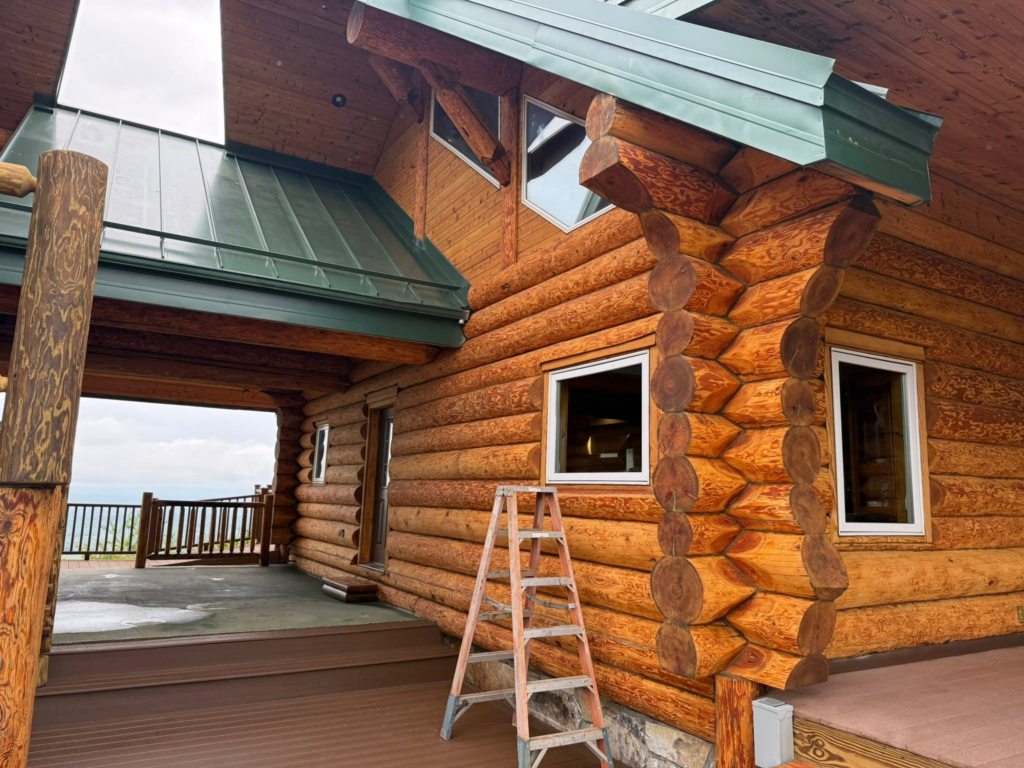
Owning a log house has a certain appeal, but it also comes with a bit of responsibility that regular homes don’t always demand. Log house maintenance is mostly about catching problems while they are still small. A dark patch on a log, a tiny crack, or some soft wood might not look like much at first. Ignore it for a few seasons, though, and suddenly you’re dealing with rot, water damage, insects, or structural trouble. That’s where things get expensive. The good news is, you don’t need to be a building expert to notice early warning signs. You just need to look closely and actually pay attention. Walk around the house every so often. Check the logs, corners, windows, roof edges, and areas where water tends to collect. A little effort here can save a whole lot of repair work later.
Look Closely at the Logs for Cracks
Cracks in log walls aren’t automatically a disaster. Wood naturally expands and contracts as moisture and temperature change, so some checking is expected. The problem is when cracks become deep, wide, or unusually long. Pay extra attention to cracks that run vertically or allow water to get deeper into the timber. Water gets inside, sits there, and starts doing its thing. You may also notice cracks around windows and doors where movement puts extra pressure on the logs. Don’t just look at the front of the crack either. Feel around it if you can safely reach it. If the wood feels unusually soft, damp, or crumbly, that’s a different situation. Small surface checking can usually be monitored, but deeper cracks deserve a closer inspection before they turn into a much bigger headache.
Watch for Dark Spots and Discoloration
Discoloration is one of those signs homeowners tend to overlook. A log might develop a dark brown, gray, or almost black area because moisture has been getting into the wood. Sometimes it’s simply weathering. Other times, it’s the beginning of decay. Look carefully around rooflines, gutters, porches, decks, windows, and places where rainwater hits the walls repeatedly. If one section of your log home looks noticeably darker than the surrounding timber, don’t assume it’s just age. Check it out. Mold and mildew can also leave staining, especially in shaded areas that don’t dry quickly. The key thing is whether the discoloration keeps spreading or comes back after cleaning. Persistent staining usually means there’s an underlying moisture problem that needs to be dealt with, not just covered up with another coat of finish.
Pay Attention to Soft or Spongy Wood
Healthy logs should feel solid. That’s pretty simple. If you press a screwdriver or another suitable tool gently against an accessible area and the timber feels soft, crumbly, or unusually weak, you’ve got reason to investigate. Rot often begins inside the wood before the outside looks terrible. This is why poking around questionable spots matters. Areas close to the ground are especially vulnerable because they can stay damp for long periods. The same goes for places around gutters, downspouts, roof valleys, and poorly sealed openings. Don’t go hacking into your wall, obviously. You’re looking for obvious changes in texture, not trying to perform surgery on the house. Soft wood means moisture may already be winning the battle, and putting off the problem rarely makes it cheaper.
Check for Signs of Insects
Wood-boring insects don’t exactly send an invitation before moving in. Look for small holes, fine sawdust, insect remains, or narrow trails in the timber. Some infestations can stay hidden for a while, so one tiny hole doesn’t tell you everything. Still, it’s worth paying attention. Carpenter bees, termites in applicable regions, carpenter ants, and other wood-damaging insects can weaken timber over time. Check sheltered areas first, particularly around decks, foundations, roof overhangs, and places where moisture has already affected the wood. Insects and moisture problems often go together. Wet or deteriorating timber is simply more vulnerable. If you find several signs in one area, don’t brush it off as an old insect hole. Have the area examined so you know whether the activity is current or something left behind years ago.
Inspect the Areas Around Windows and Doors
Windows and doors are common trouble spots because they’re interruptions in an otherwise continuous log wall. Water can find its way into small gaps around frames, trim, and flashing. Over time, that moisture can damage the surrounding timber. Look for peeling finish, dark staining, swollen wood, failed sealant, or gaps that seem to be getting larger. You might also notice drafts or water entering during heavy rain. That’s a clue. The issue isn’t always the window itself. Sometimes the flashing or drainage around it is the real problem. Check the lower corners especially. They tend to collect moisture when installation or maintenance isn’t quite right. A small sealant failure can seem harmless, but repeated wetting is what causes trouble.
Don’t Ignore Changes in the House Shape
This one is less obvious, but important. If doors suddenly start sticking, windows become difficult to open, or sections of the wall appear to shift, something may be moving that shouldn’t. Log homes naturally settle and move as timber changes with moisture, so not every change means structural damage. Still, sudden or worsening movement deserves attention. Look at corners and joints from outside. Are gaps appearing where they weren’t before? Is one log noticeably out of alignment? Is the wall bowing? These aren’t things to panic over, but they’re not things to ignore either. Take photographs and keep an eye on changes over time. If movement continues, bring in someone experienced with log construction. Guessing at structural problems can get you nowhere fast.
Inspect the Finish and Caulking
The stain, sealant, and caulking on a log home aren’t there just to make it look nice. They help keep water out of the timber. When the finish starts peeling, cracking, or wearing away, the logs lose some of that protection. Failed caulking can be even more important. Look along horizontal joints, corners, window frames, doors, and connections between different materials. If caulk has pulled away or developed open gaps, moisture can get behind it. You don’t always need to replace everything immediately, but damaged areas should be addressed before water gets a chance to settle into the wood. Regular visual inspections make this much easier. You’re looking for changes before they become obvious damage.
Know When a Problem Has Gone Beyond DIY
There are plenty of maintenance jobs a homeowner can handle. Cleaning, checking gutters, touching up certain finishes, and keeping water away from the foundation are reasonable places to start. But don’t let confidence turn into denial. If you find extensive rot, structural movement, major insect damage, or logs that have become badly deteriorated, get professional help. Log home repair and restoration isn’t the same as patching drywall or replacing a piece of siding. The damaged timber has to be evaluated properly, and repairs need to work with the way the whole structure moves. A professional can determine whether a section needs treatment, partial replacement, or more extensive restoration. The goal isn’t to spend money unnecessarily. It’s to fix the actual problem before it spreads.
Conclusion: Catching Damage Early Saves Trouble
A log house doesn’t usually fall apart overnight. Most serious problems give you clues first. Cracks get bigger. Stains spread. Wood becomes soft. Caulking fails. Insects leave evidence. Doors and windows start behaving differently. These signs are easy to miss when you’re living in the house every day, which is why routine inspections matter. You don’t need to spend your weekends crawling around with a magnifying glass. A careful walk around the property a few times a year can reveal plenty. Keep gutters working, move water away from the walls, maintain protective finishes, and deal with questionable areas before they grow. And when something looks beyond your skill level, get it checked. That’s not overreacting. It’s smart ownership. Log homes can last for generations, but they need some attention along the way. Catching damage early is usually cheaper, simpler, and a lot less stressful than waiting until the wood has already started failing.