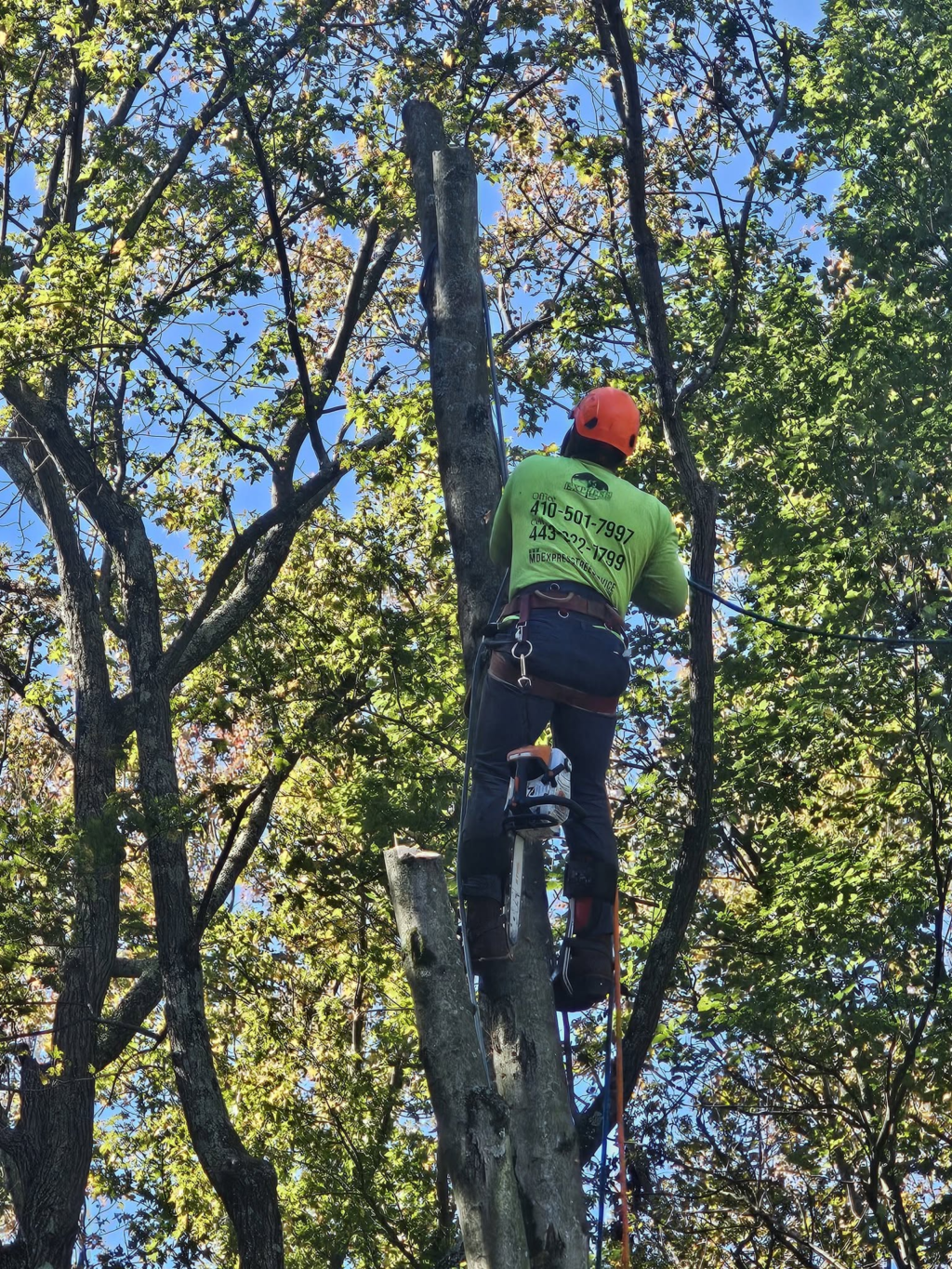
Trees are one of those things most homeowners would rather leave alone. They provide shade, privacy, and they just look good in a yard. But sometimes a tree becomes more trouble than it’s worth. Knowing when to call a tree removal service md company can save you from a much bigger mess later. A weak tree can damage a roof, fall across a driveway, or hurt someone. And honestly, waiting until it actually falls is not a good removal plan. The signs usually show up well before that happens.
Look for Major Damage in the Trunk
The trunk tells you a lot about a tree’s condition. Deep cracks, large splits, hollow areas, or sections where the bark is falling away can point to serious structural problems. A little damaged bark isn’t always a crisis, but large wounds are different. If you can see deep cavities or notice that part of the trunk feels unstable, the tree deserves a closer look. Sometimes the outside looks fairly normal while the inside has started to decay. That’s why guessing from the ground can be risky. A professional tree removal company can inspect the tree and determine whether it can be treated, trimmed, or really needs to come down.
Dead or Hanging Branches Should Not Be Ignored
Dead branches are not just an appearance issue. Large dead limbs can break without much warning, especially during strong winds, heavy rain, or storms. You may notice branches that have no leaves while the rest of the tree looks healthy. Smaller deadwood can often be removed through pruning, but large hanging limbs are another story. If a heavy branch is sitting over your house, garage, vehicle, walkway, or somewhere people spend time, it becomes more concerning. You don’t want to stand underneath it and hope for the best. That’s how accidents happen.
Leaning Trees Need a Closer Inspection
Some trees naturally grow at an angle, so leaning doesn’t automatically mean removal is necessary. The important thing is whether the lean is new, getting worse, or connected to movement in the ground. Exposed roots, cracked soil, or a lifted section of the root plate can indicate that the tree is becoming unstable. A tree that suddenly starts leaning after a storm should be checked fairly quickly. Even if it hasn’t fallen, the roots may no longer be holding it securely. Professional arborists can look at the lean, root system, trunk, and surrounding conditions before deciding what needs to happen.
Watch for Signs of Disease or Serious Decay
Fungus growing around the base, unusual mushrooms, soft wood, missing bark, discolored leaves, and repeated dieback can all be warning signs. Not every mushroom means a tree is about to fall, but certain fungal growth can be connected to decay below the surface. Insects can cause problems too, particularly when a tree is already stressed. If branches keep dying or the tree seems to be losing strength year after year, it shouldn’t just be ignored. Treatment might still be possible. In other cases, removing the tree may be the safer option, especially when decay has weakened its structure.
Storm Damage Can Change the Situation Fast
A tree that was perfectly fine last week may become dangerous after one bad storm. High winds can split trunks, tear large branches away, and disturb the roots without completely knocking the tree down. Sometimes the damage is obvious. Other times, it’s hidden higher in the canopy. This is where homeowners can get caught out. A damaged tree may still be standing, but that doesn’t mean it’s stable. If a storm has caused major splitting, broken limbs, or root damage, have the tree inspected before you start cutting anything yourself.
Trees Too Close to Buildings Can Become a Problem
Location matters. A healthy tree growing several feet away from everything may cause few problems. The same tree growing directly beside a house is a different situation. Large branches can scrape against roofs and siding, roots may interfere with certain structures, and falling limbs can create expensive damage. Trees near power lines are especially risky and should never become a DIY project. If a tree has outgrown its space and trimming won’t solve the issue, professional removal may eventually make more sense than repeatedly dealing with the same hazard.
Root Problems Are Easy to Miss
People tend to look at the branches and forget about the roots. That’s a mistake. Roots provide the support that keeps a mature tree standing, so visible root damage deserves attention. Construction work, soil erosion, flooding, compacted soil, and excavation can all affect a tree’s root system. You might notice exposed roots, soil lifting near the trunk, or a tree that has started moving more than usual during windy weather. Don’t start digging around the roots yourself to investigate. Disturbing them further could make things worse.
When Trimming Is No Longer Enough
Not every unhealthy tree needs to be removed. Sometimes pruning can take care of dead branches or reduce weight in a weak section. The problem comes when people keep trimming a tree that has a serious structural defect. If the trunk is badly compromised, the roots are failing, or most of the tree is dead, repeated pruning may only delay the inevitable. A proper inspection helps separate a manageable problem from a dangerous one. That distinction matters because removing a large tree is a serious job, not just a bigger version of cutting a branch.
What Happens After the Tree Comes Down
Tree removal doesn’t always end when the trunk hits the ground. You’re left with branches, wood, and usually a stump sitting in the yard. That stump can get in the way of mowing, attract insects, or simply become an annoying obstacle. This is where stump grinding can help. Instead of leaving the stump sticking out for years, grinding equipment can break it down below the surrounding ground level. It won’t instantly turn the area into a perfect lawn, but it makes the space much easier to use and restore.
Don’t Try a Dangerous Removal Yourself
There’s a big difference between cutting a small dead branch and taking down a mature tree. Trees are heavy, unpredictable, and their branches don’t always fall where you expect. Add a ladder, chainsaw, nearby buildings, vehicles, or power lines, and the risks climb pretty quickly. Even experienced homeowners can get into trouble because a tree can shift suddenly once cuts are made. Professional crews have the equipment and experience to control the removal and deal with difficult access, large limbs, and cleanup. Saving money isn’t much of a saving if the roof ends up needing repairs.
Know When It’s Time to Stop Waiting
The biggest warning sign is often not one single thing. It’s a pattern. The tree is leaning more, branches keep dying, the trunk has cracks, roots are exposed, and there’s decay around the base. When several of those issues show up together, hoping the tree will somehow recover may not be realistic. Getting a professional opinion gives you a clearer picture before the situation becomes urgent. Sometimes the answer is pruning or treatment. Sometimes removal is the safest route. Either way, finding out early gives you more options and usually makes the whole job less stressful.
Conclusion: Deal With Tree Problems Before They Escalate
A dangerous tree rarely announces itself with a giant warning sign. Usually, there are smaller clues first. Cracks, decay, dead branches, root movement, disease, storm damage, or a sudden lean can all be reasons to take a closer look. You don’t have to panic every time a branch drops, but you also shouldn’t ignore obvious changes. A qualified tree professional can assess the condition and explain what actually needs to happen. If removal is necessary, getting it handled before the tree falls on its own is almost always a much more controlled situation. Sometimes the smartest thing you can do for a tree, and for everything around it, is know when to let it go.