The online gaming industry continues to evolve as businesses explore new digital services and technology models. Building an online gaming platform requires more than an attractive website. Operators need a reliable technical foundation that can support gaming content, account management, payment integrations, and everyday business operations.
Developing every component from the beginning can require considerable time, technical expertise, and resources. This is one reason some businesses consider ready-made platform solutions when planning their entry into the iGaming sector.
White label casino software is one technology model that allows businesses to operate a branded online casino using an existing platform provided by a software company. Instead of developing the entire system independently, an operator can use available infrastructure and configure selected features according to its business requirements.
Understanding the White Label Model
The white label model is used across different industries. A company develops a product or service, while another business offers it under its own brand.
In the iGaming sector, this model typically involves a software provider supplying platform technology and related services. The operator focuses on its brand identity, customer experience, and business activities.
The exact arrangement depends on the provider and the agreement between the parties. Some solutions may include platform configuration, gaming integrations, administrative tools, and technical support. Other services may require separate arrangements.
For businesses evaluating this model, understanding the scope of the offering is an important first step.
Key Components of an Online Gaming Platform
An online gaming platform may combine several technical components. Their availability and implementation can differ between providers.
1. Platform Administration
Administrative tools help operators manage platform settings, user accounts, and operational information. A well-organized dashboard can make routine tasks easier to perform and provide teams with a clearer view of platform activity.
Businesses should evaluate the available controls and confirm whether the tools support their intended workflows.
2. Gaming Content Integration
Gaming content is an important part of an online platform’s user experience. Software providers may offer integrations with different game suppliers, depending on their partnerships and technical capabilities.
Operators should review the available content, integration process, and any relevant commercial or regional restrictions before making a decision.
3. Payment Integration
Payment functionality can involve multiple methods and transaction workflows. Businesses should understand which payment options are supported, how deposits and withdrawals are handled, and which responsibilities belong to the operator or payment partner.
Payment availability may differ by market. Operators should assess local requirements and confirm that any planned payment methods are appropriate for their intended operations.
4. User Experience and Mobile Compatibility
Users may access online platforms through desktop computers, tablets, or mobile devices. A consistent interface can make navigation and account-related tasks easier to understand.
When evaluating software, businesses can review page performance, mobile compatibility, accessibility, and the clarity of the interface. These factors contribute to the overall quality of the digital experience.
5. Reporting and Operational Insights
Reporting tools can help businesses review platform activity and understand operational performance. Depending on the software, available reports may cover account activity, transactions, or other platform metrics.
The usefulness of these tools depends on the quality of the data and how effectively teams apply it to their operational decisions.
Why Technical Flexibility Matters
Business requirements can change over time. A platform may need additional integrations, updated features, or adjustments to its interface as the business develops.
A flexible technical structure can make it easier to adapt selected components without rebuilding the entire system. However, the actual level of flexibility depends on the software architecture, provider capabilities, and contractual terms.
Before selecting a platform, businesses should ask about integration options, maintenance procedures, upgrade processes, and the availability of technical assistance.
Security and Responsible Operations
Security is an important consideration for any digital platform that manages user accounts or transaction-related information. Businesses should review authentication methods, access permissions, data protection practices, and procedures for responding to technical issues.
It is also important to understand the regulatory responsibilities associated with online gaming. Software functionality alone does not establish whether a business can legally operate in a particular market.
Operators should independently assess applicable licensing, payment, consumer-protection, and other legal requirements. Depending on the jurisdiction, age verification and responsible-gaming measures may also be relevant.
These considerations should be reviewed during the planning stage rather than after a platform has been launched.
Evaluating an iGaming Technology Provider
Choosing a software provider involves more than comparing feature lists. Businesses should consider the overall service arrangement and whether it matches their technical and operational requirements.
Useful evaluation questions include:
- What platform features and services are included?
- Which integrations are available?
- What technical documentation is provided?
- How are maintenance and software updates handled?
- What support channels and response procedures are available?
- Which responsibilities remain with the operator?
- What requirements or restrictions apply in the intended market?
A clear understanding of these points can help businesses compare providers more effectively.
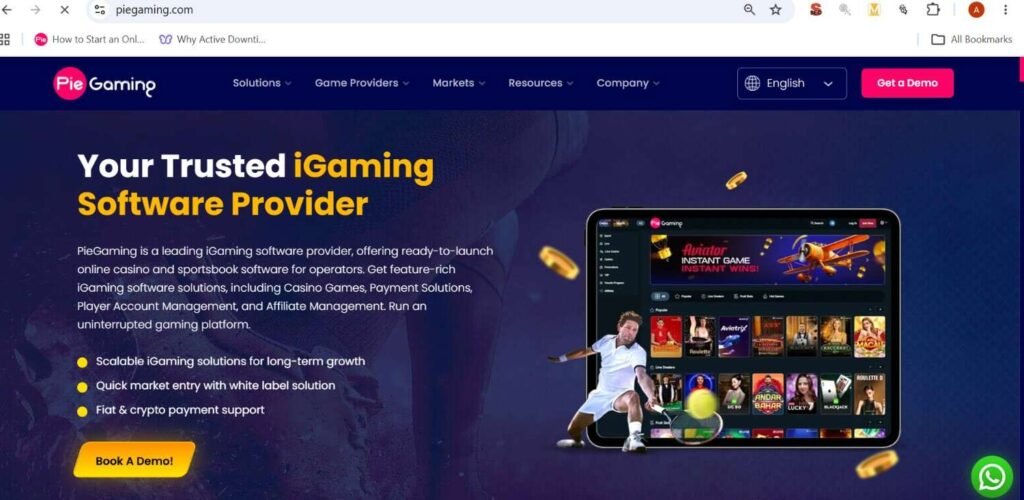
PieGaming operates in the iGaming technology sector and offers casino and sportsbook platform solutions. Businesses considering providers such as PieGaming should review the available features, integration options, and support arrangements against their own requirements.
Conclusion
White label casino software offers one approach to building a branded online gaming platform using existing technology. Its potential value depends on the platform’s features, technical flexibility, service arrangements, and suitability for the operator’s business model.
A thoughtful evaluation of administration tools, gaming integrations, payment functionality, security, and regulatory responsibilities can help businesses make more informed technology decisions. The most suitable solution is one that aligns with the operator’s actual needs and supports responsible, well-planned operations.