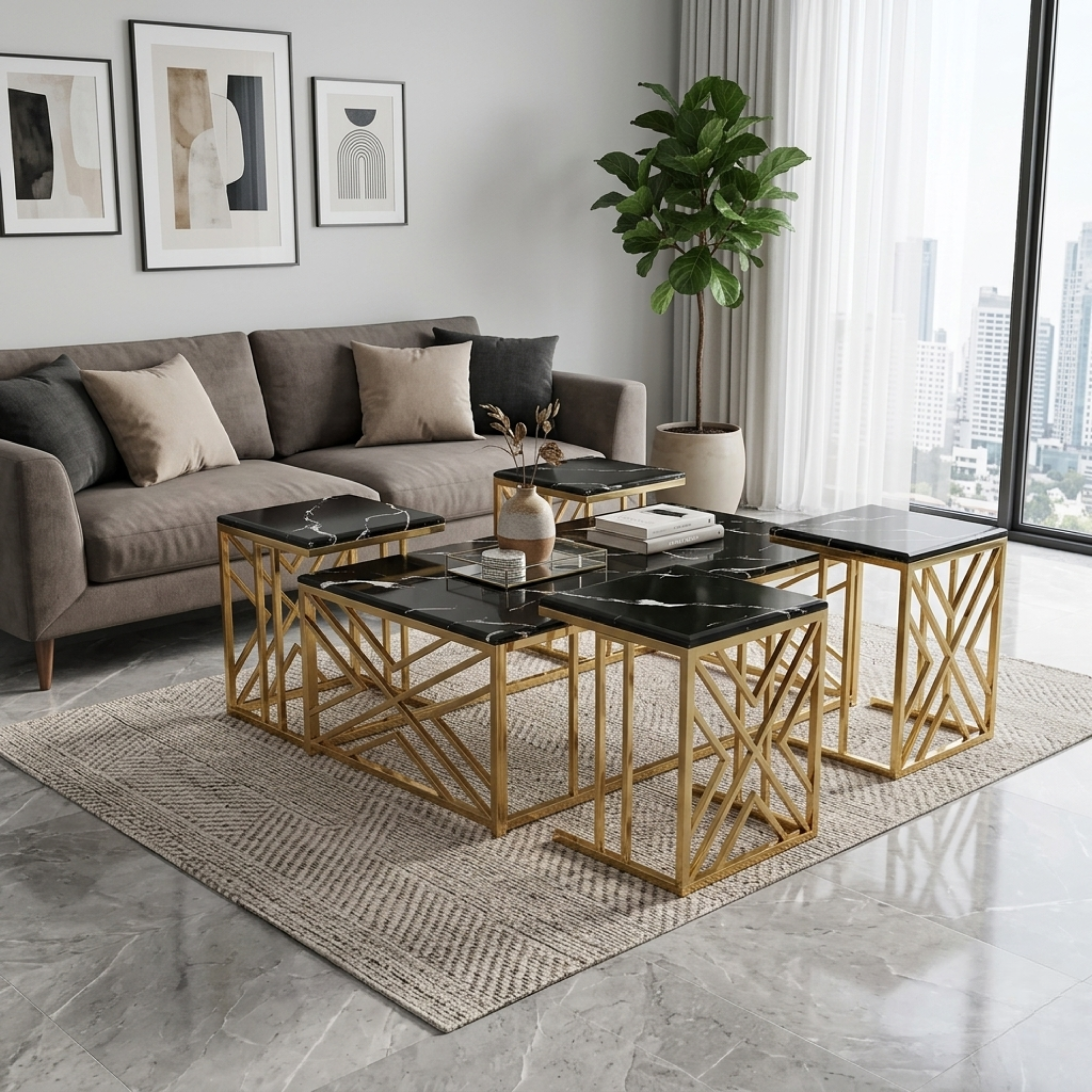
Best rug materials can make a significant difference in the comfort, appearance, durability, and overall character of a luxury home. From resilient wool to elegant silk, each material offers different benefits depending on the room, lifestyle, and design preferences.
For Scottsdale homeowners, where refined interiors often combine comfort with sophisticated design, understanding different rug materials can make the buying decision much easier. Wool, silk, cotton, and natural fibers each offer distinct advantages, so the right choice depends on the room, lifestyle, and desired aesthetic.

What Makes a Rug Material a Good Choice?
The best rug materials balance several practical and design considerations:
- Durability and expected lifespan
- Softness and comfort
- Resistance to everyday wear
- Maintenance requirements
- Appearance and texture
- Room traffic
- Overall design style
Construction matters, too. A premium fiber can perform very differently depending on how the rug is woven or knotted. For example, hand-knotted rugs are individually constructed and can offer exceptional longevity when quality materials and craftsmanship are combined.
Wool: The Versatile Choice for Everyday Luxury
Wool remains one of the most dependable choices for residential rugs. It is naturally resilient, comfortable, and well suited to spaces that receive regular foot traffic.
A quality wool rug can work particularly well in:
- Living rooms
- Dining rooms
- Family rooms
- Bedrooms
- Entry areas
Wool also has a natural ability to recover from compression, making it practical around furniture and seating areas. For households that want luxury without sacrificing everyday usability, wool is often a strong starting point.
Silk: Refined Beauty for Sophisticated Spaces
Silk offers a completely different character. Its natural sheen can create subtle changes in appearance as light moves across the surface, while its fine fibers allow artisans to achieve intricate details.
Silk is especially suited to formal or lower-traffic areas where visual impact is more important than heavy-duty performance.
For a luxury interior, a wool-and-silk combination can also provide an interesting middle ground. Wool contributes structure and resilience, while silk can introduce highlights and depth.
Peace Rugs lists wool, pure silk, bamboo silk/viscose, wool-and-silk blends, and specialty fibers among its available material options. Peace Rugs
Cotton: Lightweight and Practical
Cotton rugs are generally lighter and more casual than premium wool or silk pieces. They can be useful where homeowners want a softer, relaxed appearance without the visual weight of a formal luxury rug.
Cotton may work well for:
- Casual bedrooms
- Informal sitting areas
- Layered rug arrangements
- Spaces where lighter furnishings are preferred
Its suitability depends on the specific construction and location, so buyers should evaluate the entire rug rather than choosing a fiber based on its name alone.
Natural Fibers: Texture and Organic Character
Jute and sisal bring a distinctive textural quality to interiors. Their earthy appearance works particularly well with contemporary, coastal, organic, and relaxed design schemes.
They can add visual warmth without competing with patterned furniture or artwork. However, natural fibers can have different maintenance and moisture considerations, so placement matters.
Match the Material to the Room
There is no single material that is perfect for every space.
High-Traffic Living Areas
Durability should be a priority. Wool and appropriately constructed hand-knotted rugs are strong options when the room receives frequent use.
Formal Living Rooms
A wool-and-silk design can provide a balance between durability and refined visual detail.
Bedrooms
Softer textures and more decorative materials can work well because bedrooms generally experience less concentrated traffic.
Dining Rooms
Consider the rug’s pile height and construction as well as the fiber. A manageable pile can make moving dining chairs easier.
Entryways
Entryways need materials and construction capable of handling frequent foot traffic. Durability should take priority over choosing a delicate fiber simply for its appearance.
Material Is Only One Part of the Decision
Two rugs made from the same fiber can perform differently because of knot density, construction, pile height, and craftsmanship.
This is why evaluating the complete specification is more useful than asking only, “What is the best rug material?”
For example, Peace Rugs explains that its custom rugs can be created with different materials, pile heights, textures, sizes, and finishes. Peace Rugs
The same principle applies to design. A material should support the room rather than dictate the entire aesthetic.
How Scottsdale Homeowners Can Make a Smarter Choice
Scottsdale interiors often benefit from rugs that combine visual sophistication with practical performance. Before choosing a material, consider:
- How much traffic will the room receive?
- Will children or pets regularly use the space?
- Is the rug primarily decorative or functional?
- How much maintenance are you comfortable with?
- Do you prefer texture, softness, sheen, or durability?
- Will the rug be exposed to strong sunlight?
- Does the rug need to coordinate with existing upholstery, flooring, or artwork?
For homeowners who need an unusual size, specific color combination, or particular material blend, a made-to-order approach can provide more flexibility than selecting from standard sizes. Peace Rugs’ custom rug process allows material, color, size, pile height, and other specifications to be considered as part of the design. Peace Rugs
How to Protect Your Investment
Even the best rug materials benefit from proper care. Regular gentle vacuuming, prompt attention to spills, appropriate placement, and professional cleaning when necessary can help preserve both appearance and structure.
It is also important to consider the rug pad. A suitable pad can provide additional support, reduce movement, and help limit friction between the rug and flooring.
For questions about construction, materials, pile, and custom specifications, a rug specialist can help match the material to the intended environment. Peace Rugs’ rug FAQs and material guidance provide additional information about wool, silk, blends, construction methods, pile heights, and custom rug considerations. Peace Rugs
Final Thoughts
The best rug materials are not necessarily the most expensive ones. The right choice is the material that suits the room’s traffic, maintenance needs, design direction, and long-term expectations.
Wool is a reliable choice for everyday luxury, silk brings exceptional visual refinement, cotton offers a lighter casual feel, and natural fibers add organic texture. By considering fiber alongside construction and placement, homeowners can choose rugs that look beautiful today and continue working well within the home for years to come.