Moving heavy machinery, components, tools, and equipment is a routine requirement across manufacturing plants, workshops, warehouses, and engineering facilities. When these loads need to be lifted, positioned, or moved safely, choosing the right material handling equipment becomes essential. A hydraulic floor crane is one practical solution designed to support these tasks without requiring a permanent overhead crane installation.
Floor cranes are particularly useful where flexibility, mobility, and controlled lifting are important. Their applications can range from machinery maintenance and equipment installation to handling heavy components in production and workshop environments. Understanding how these cranes work, their advantages, and the factors that influence selection can help businesses make more informed equipment decisions.
What Is a Hydraulic Floor Crane?
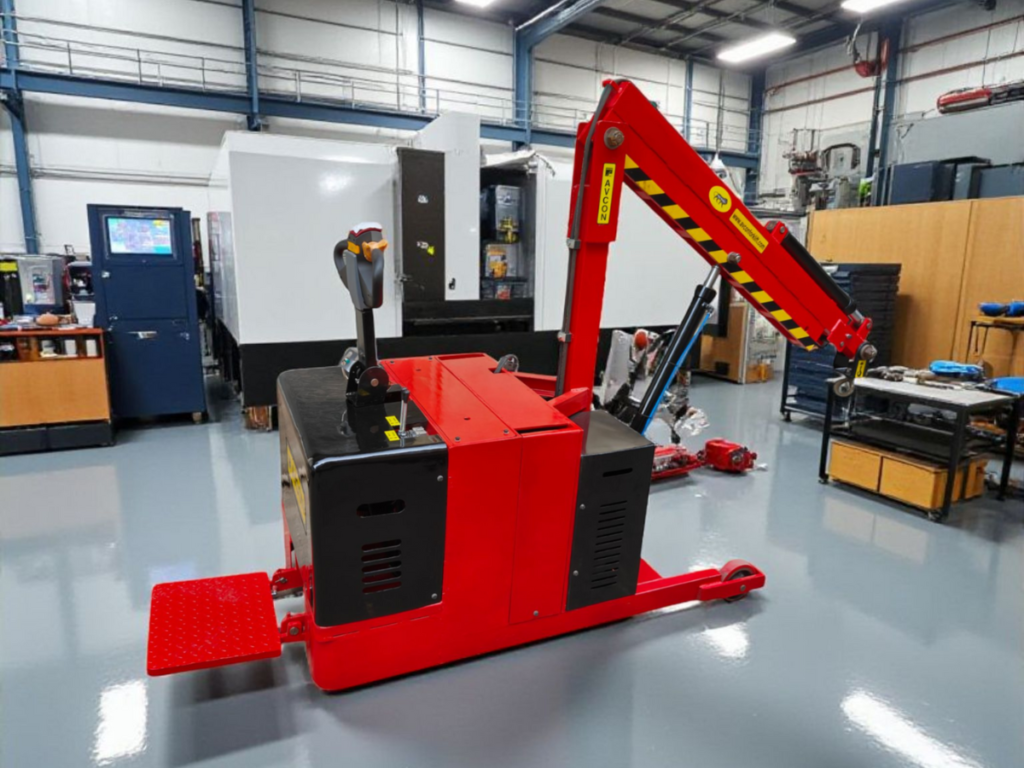
A hydraulic floor crane is a ground-level lifting machine that uses hydraulic power to raise and lower loads. It generally consists of a structural frame, hydraulic cylinder or lifting mechanism, boom, hook or attachment, and a wheeled base.
Unlike an overhead crane, which requires a permanent supporting structure above the working area, a floor crane operates directly from the ground. Depending on its design, it can be moved between workstations, making it suitable for facilities where lifting requirements vary from one location to another.
The hydraulic system provides mechanical assistance when lifting heavy objects. This reduces the amount of manual force required and allows operators to handle loads in a more controlled manner.
How Does a Hydraulic Floor Crane Work?
The operating principle is based on hydraulic pressure. When the hydraulic system is activated, fluid pressure moves a hydraulic cylinder. The movement of the cylinder raises or lowers the crane’s boom, which in turn changes the position of the attached load.
The operator positions the crane so that its hook or lifting attachment is aligned with the load. Once the load is secured using an appropriate lifting accessory, the hydraulic mechanism raises it to the required height. The crane can then be repositioned, where permitted by its design and operating conditions.
Different models may use manual hydraulic pumps, powered hydraulic systems, or other configurations. The lifting capacity, reach, mobility, and controls depend on the particular crane design.
Common Applications of Floor Cranes
Hydraulic floor cranes can be useful in many environments where heavy objects need to be lifted from ground level.
Machinery Installation and Maintenance
During maintenance work, motors, gearboxes, pumps, and other components may need to be removed from or installed into machinery. A suitable floor crane can assist with these operations.
Manufacturing Facilities
Manufacturing plants frequently handle heavy components during assembly and production. A floor-mounted mobile lifting solution can provide flexibility around different workstations.
Engineering Workshops
Engineering and fabrication workshops may require lifting equipment for handling fabricated components, tools, machinery parts, and assemblies.
Warehouses
Some warehouse operations involve positioning heavy products or equipment. Depending on the load and working environment, a hydraulic lifting crane can support these handling requirements.
Automotive Applications
Vehicle workshops and service facilities may use suitable lifting cranes for handling engines, transmissions, and other heavy assemblies.
Key Benefits of a Hydraulic Floor Crane
The usefulness of a floor crane comes from a combination of lifting capability and operational flexibility.
Reduced Manual Handling
Heavy objects can be difficult and potentially hazardous to move manually. Mechanical lifting equipment reduces the amount of physical effort required to position these loads.
Mobility
Many floor crane designs are mounted on wheels or casters. This allows the crane to be transported to different working positions when the floor surface and equipment design permit.
Flexible Installation
Because the crane operates from the floor, it does not necessarily require the permanent overhead infrastructure associated with some crane systems. This can make it useful for workshops and facilities where fixed lifting systems are unsuitable.
Controlled Lifting
Hydraulic mechanisms allow gradual lifting and lowering, helping operators position loads accurately when the equipment is operated according to manufacturer instructions.
Versatile Applications
A suitable floor crane can support maintenance, production, assembly, repair, installation, and other industrial activities.
Important Factors When Choosing a Hydraulic Floor Crane
Not every crane is suitable for every application. Several technical factors should be considered before purchasing or deploying lifting equipment.
Load Capacity
The first consideration should be the weight of the loads that will be handled. The crane’s rated capacity must be suitable for the intended application. Operators should never exceed the manufacturer’s specified load limits.
Lifting Height
The required lifting height depends on the task. For example, positioning a machine component may require a different height from loading material onto a raised platform.
Boom Reach
The boom’s horizontal reach determines how far the crane can position a load from its base. This is important when working around machinery, workbenches, vehicles, or storage areas.
Workspace
Available floor space should be considered before selecting a mobile crane. Operators need sufficient room to position and maneuver the equipment safely.
Floor Condition
Since a floor crane relies on the supporting surface and wheels for movement, the floor should be suitable for the equipment and its intended load. Uneven or damaged surfaces may affect safe operation.
Lifting Attachments
Hooks, slings, chains, and other accessories must be appropriate for the load and used according to their rated capacities and safety requirements.
Safety Considerations
Safe operation should always be a priority when working with lifting equipment. A crane should be inspected before use according to the manufacturer’s instructions and applicable workplace procedures.
Operators should understand the rated capacity, controls, lifting points, and limitations of the equipment. Loads should be properly secured before lifting, and people should remain clear of suspended loads.
Regular inspections can help identify issues such as hydraulic leaks, damaged hooks, worn components, wheel problems, or structural defects. Any equipment showing signs of damage or abnormal operation should be taken out of service until it has been appropriately inspected and repaired.
Training is also important. Only appropriately trained and authorized personnel should operate industrial lifting equipment.
Maintenance Requirements
Regular maintenance helps support the long-term performance of a hydraulic floor crane. Maintenance schedules should follow the manufacturer’s recommendations and the conditions under which the crane is used.
Important inspection areas may include hydraulic hoses, cylinders, pumps, connections, hooks, wheels, boom assemblies, frame components, and other load-bearing parts.
Hydraulic fluid levels and potential leakage should also be checked as recommended. Keeping the equipment clean and addressing unusual noises, movement, or lifting behavior promptly can help prevent minor issues from becoming larger maintenance problems.
Hydraulic Floor Crane vs. Fixed Lifting Systems
The choice between a mobile floor crane and a fixed lifting system depends on the application.
A fixed crane can be appropriate when heavy loads are repeatedly handled within a defined area. In contrast, a floor crane may be useful when lifting requirements change between workstations or when permanent overhead infrastructure is not practical.
Businesses should assess lifting frequency, load characteristics, available space, required reach, operating environment, and future requirements before deciding which type of equipment is appropriate.
Choosing a Reliable Manufacturer
The manufacturer is another important consideration when purchasing industrial lifting equipment. Buyers should evaluate manufacturing experience, equipment specifications, customization capabilities, safety features, technical support, spare-parts availability, and after-sales service.
For specialized industrial applications, discussing the actual lifting requirements with the manufacturer can help determine the appropriate configuration. The required load capacity, lifting height, boom reach, operating environment, and frequency of use should all be considered during the selection process.
Avcon Systems is an Indian material handling equipment manufacturer offering lifting and handling solutions for industrial applications. Businesses can review its range of equipment and discuss their specific requirements before selecting a suitable solution.
Conclusion
A hydraulic floor crane can be a valuable addition to manufacturing plants, engineering workshops, warehouses, maintenance departments, and other facilities that regularly handle heavy loads. Its hydraulic lifting mechanism, ground-level operation, and potential mobility provide flexibility for a variety of industrial tasks.
However, selecting the right crane requires careful consideration of load capacity, lifting height, boom reach, workspace, floor conditions, safety requirements, and maintenance needs. Proper operator training, regular inspection, and adherence to manufacturer guidelines are equally important.
Rather than choosing equipment based only on price, businesses should focus on whether the crane matches their actual application and operating environment. A properly selected and maintained floor crane can make heavy material handling more organized, controlled, and efficient while supporting safer industrial operations.