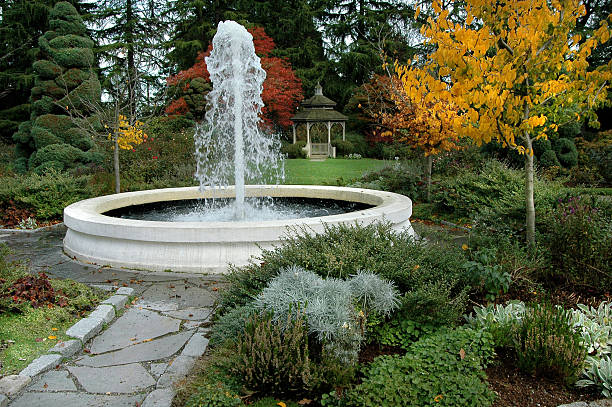
Beautiful Fountain in Garden
There’s something about water moving inside a room that just… changes the mood. Not in a dramatic, life-changing way. More like a quiet shift. You walk in, hear that soft trickle, and your brain slows down a notch. That’s the appeal of indoor fountains. Simple idea. But when done right, it works.
Still, a lot of people hesitate. They think it’s high maintenance, too decorative, or just unnecessary. Fair. Some setups are over-the-top. But not all. If you’re even slightly curious, it’s worth understanding what these things actually bring to a space—and where custom fountains come into play.
Why Indoor Fountains Aren’t Just “Decor”
Let’s be honest. Most home decor ends up being visual clutter after a while. Looks good for a few weeks, then fades into the background. Indoor fountains are different because they engage more than just your eyes.
You hear them. You feel them. Sometimes you even notice the air feels a bit fresher.
That constant, gentle water movement adds a kind of background calm. It’s subtle, not magical. But in a noisy world, subtle is enough.
People use indoor fountains in:
- Living rooms (to soften silence or noise)
- Offices (to reduce stress, even if slightly)
- Entryways (first impression matters)
- Bedrooms (some swear by the sleep benefits)
It’s not about luxury. It’s about atmosphere.
The Real Benefits (No Exaggeration)
Let’s not oversell it. Indoor fountains won’t fix your life. But they do offer some real, practical benefits.
1. Sound That Covers the Noise
That gentle trickling? It masks background distractions. Traffic, neighbors, random household noise. Not perfectly, but enough to make things feel calmer.
2. A Bit of Humidity
Especially in dry environments, indoor fountains add moisture to the air. Not like a humidifier, but still noticeable over time.
3. Visual Movement
Static spaces can feel dull. Water moving adds life. Even a small tabletop fountain makes a difference.
4. Mental Reset Moments
This one’s harder to measure. But people often pause more in rooms with water features. Even if just for a few seconds. That pause matters.
Choosing the Right Indoor Fountain (Don’t Overthink It)
This is where people get stuck. Too many options. Too many styles. They end up doing nothing.
Here’s a simpler way to think about it.
Size First
Don’t start with design. Start with space.
- Small room? Go for a tabletop fountain.
- Medium space? Wall-mounted works well.
- Large open area? Freestanding fountains make sense.
Trying to force a big piece into a small space just looks awkward.
Material Matters (More Than You Think)
You’ll see fountains made from:
- Stone (natural, heavy, grounded feel)
- Glass (modern, clean)
- Metal (industrial or sleek depending on finish)
- Resin (budget-friendly but less premium feel)
Pick something that matches your existing vibe. Don’t try to mix too many styles.
Maintenance Reality Check
Here’s the blunt truth:
You will need to clean it.
Not daily. Not even weekly in some cases. But water features need occasional care. Dust, mineral buildup, maybe some algae if ignored.
If you want zero maintenance, this isn’t for you. If you’re okay with light upkeep, you’ll be fine.
Where Custom Fountains Make Sense
Standard indoor fountains work for most people. You buy, place, plug in. Done.
But sometimes, they just don’t fit right. That’s where custom fountains come in.
Not because they’re fancy. But because they’re specific.
When You Should Consider Custom
- You have a unique wall or corner that standard sizes don’t fit
- You want branding (offices, commercial spaces)
- You’re trying to match a very specific design theme
- You want something that feels personal, not generic
Custom fountains aren’t about showing off. They’re about getting exactly what works for your space.
And honestly, sometimes that’s the difference between “this looks okay” and “this feels right.”
Indoor Fountains in Modern Spaces (Not Just Traditional Homes)
There’s this idea that fountains belong in old-style homes or luxury villas. Not true anymore.
You’ll see indoor fountains in:
- Minimalist apartments
- Corporate offices
- Cafes and small retail spaces
- Even compact studio flats
The designs have evolved. Clean lines. Simpler shapes. Less ornament, more function.
A glass panel fountain with soft lighting? Fits perfectly in a modern setup. No clash. No weird vibe.
Common Mistakes People Make
It’s not complicated, but people still mess it up. Here are a few things to avoid.
1. Going Too Big
Bigger isn’t always better. It can overwhelm a space fast.
2. Ignoring Sound Level
Not all fountains sound the same. Some are louder than expected. Always check that.
3. Poor Placement
Putting it near electronics, or in a cramped corner, or somewhere awkward… yeah, that kills the effect.
4. Buying Cheap Without Thinking
Budget matters, sure. But very cheap fountains often look… cheap. And they don’t last.
The Subtle Impact You Notice Over Time
Here’s the thing nobody really tells you.
You don’t notice an indoor fountain every minute. It’s not constantly grabbing attention. But over time, you realize something feels different in the room.
More relaxed. Less sharp. Slightly calmer.
It’s not dramatic. But it sticks.
And that’s kind of the point.
Are Indoor Fountains Worth It?
Short answer: depends on you.
If you like quiet environments, natural elements, and small details that improve your space—yes, they’re worth it.
If you want instant, dramatic change… maybe not.
Indoor fountains are slow-burn improvements. They grow on you.
Final Thoughts (And Where to Start)
You don’t need to overcomplicate this.
Start small if you’re unsure. Try a simple indoor fountain and see how it feels in your space. If it works, great. If not, no huge loss.
And if you already know you want something more tailored, something that actually fits your exact setup, then exploring custom fountains is the smarter move.
FAQs
1. Do indoor fountains need a lot of maintenance?
Not really. Just occasional cleaning and water refilling. Nothing too demanding, but you can’t ignore it completely either.
2. Are indoor fountains noisy?
Most are designed to be calming, not loud. But sound varies by design, so it’s worth checking before buying.
3. Can I use indoor fountains in small spaces?
Yes. There are plenty of compact options made specifically for smaller rooms or apartments.
4. What’s the advantage of custom fountains over standard ones?
Custom fountains fit your exact space and style. You’re not adjusting your room to fit the fountain—it’s built to fit your room.