A comfortable home should maintain reasonably consistent indoor temperatures without making the heating or cooling system work unnecessarily hard. When the attic has inadequate insulation, gaps, or other problems, outdoor temperature changes can have a greater effect on the rooms below. Insulation Nation helps homeowners understand how attic conditions can influence everyday comfort and why a careful approach to insulation can be worthwhile.
When considering an attic insulation contractor, homeowners should look beyond the simple addition of insulation. A contractor should first understand the condition of the attic, including existing insulation, air leakage, ventilation, moisture, and available space. These factors can influence what type of work is appropriate. A proper assessment also gives homeowners a clearer picture of whether they need additional insulation, repairs, air sealing, or another improvement.
Why the Attic Can Affect Comfort
The attic is often directly above the living areas of a home. That makes the ceiling between these spaces an important part of the home’s thermal boundary.
During summer, the attic can become significantly warmer than the rooms below. During winter, it can become much colder. If the ceiling assembly does not have adequate insulation, heat can move between the attic and living space more easily.
Improving this separation can help reduce the influence of outdoor temperatures on indoor areas.
Start With an Attic Assessment
Before recommending a solution, an insulation professional should inspect the existing conditions.
The assessment may identify areas where insulation is missing, uneven, compressed, displaced, or damaged. It may also reveal openings around wiring, plumbing, ducts, light fixtures, and other penetrations.
These details matter because adding insulation without addressing a significant weakness may not provide the expected improvement.
A property-specific assessment helps determine what should actually be done rather than relying on a standard approach for every home.
Understanding the Role of an Attic Insulation Contractor
An attic insulation contractor can help homeowners understand how different parts of the attic work together. Insulation is only one component of the space. Air sealing, ventilation, moisture control, and existing building materials may also affect performance.
For example, a home with adequate insulation but substantial air leakage may still experience comfort problems.
A contractor who looks at the complete attic environment can help identify these related concerns before installation begins.
Improving Summer Comfort
Summer heat can make upper-level rooms particularly uncomfortable. The roof absorbs solar heat, and some of that heat can eventually influence the living areas below.
Adequate attic insulation can slow the movement of heat from the attic toward conditioned rooms.
This does not mean the attic will remain cool or that insulation will eliminate the need for air conditioning. Instead, insulation can help reduce the rate at which heat moves through the ceiling assembly.
Other factors, such as roof design, windows, HVAC performance, and air leakage, should also be considered.
Supporting Winter Comfort
The same basic principle applies during colder months.
Indoor heat naturally moves toward colder areas. If the attic floor or ceiling has inadequate insulation, more heat can move upward from the conditioned living space.
Improving insulation can help slow this transfer and support better heat retention.
For homeowners with rooms that consistently feel colder than others, evaluating the attic can be a useful part of investigating the problem.
Air Sealing Makes a Difference
Insulation and air sealing are not interchangeable.
Insulation slows heat transfer, while air sealing helps reduce unwanted airflow through gaps and openings.
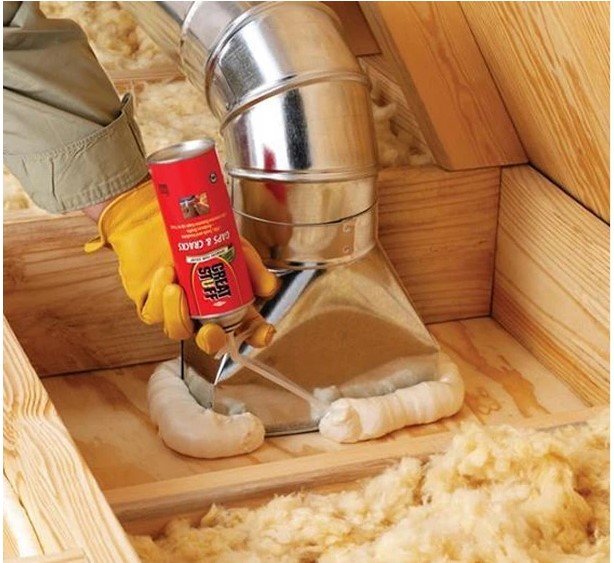
Attic floors can contain numerous penetrations created for electrical wiring, plumbing, ducts, recessed fixtures, and other systems.
If these openings are significant, air can move between the living space and attic.
A professional assessment can determine whether air sealing should be included alongside insulation work.
Checking Existing Insulation
Homeowners should not automatically assume that all old insulation needs to be removed.
Existing material may still be usable if it is dry, intact, and appropriately positioned.
However, insulation that has been affected by moisture, severe compression, displacement, or damage may require attention.
A contractor can evaluate the current material and explain whether adding new insulation is appropriate or whether removal and replacement should be considered.
Choosing the Right Material
Different attic spaces can call for different insulation approaches.
Fiberglass, cellulose, batt insulation, and blown-in products are among the materials homeowners may encounter.
The choice depends on the attic’s layout, existing insulation, available space, installation method, and project goals.
Rather than choosing a product simply because it is inexpensive, homeowners should ask why it is being recommended for their particular attic.
A clear explanation makes it easier to make a sensible decision.
Considering Attic Ventilation
Ventilation should be considered before insulation work begins.
Many attics use ventilation pathways to help manage airflow. These can include soffit, ridge, gable, or other types of vents depending on the home’s design.
Insulation should not unnecessarily block intended ventilation areas.
The installer should identify these features and explain how the proposed work will maintain appropriate clearance.
Watch for Moisture Problems
Moisture can create serious problems if it is ignored.
Roof leaks, condensation, plumbing issues, or other water sources can damage insulation and nearby building materials.
Signs of trouble may include damp insulation, water stains, discoloration, or musty odors.
If moisture is discovered, the underlying source should be addressed before installing new insulation over the affected area.
Paying Attention to Installation Quality
The quality of installation can influence the final result.
Insulation with gaps, thin areas, excessive compression, or inconsistent coverage may leave weak points in the thermal barrier.
Attic installers also need to work carefully around electrical wiring, plumbing, ducts, framing, and ventilation components.
Taking the time to handle these details properly can help create more consistent insulation coverage.
How Better Insulation Can Support HVAC Performance
Heating and cooling systems respond to changes in indoor temperature.
If a home gains or loses heat quickly through poorly insulated areas, the HVAC system may need to work harder to maintain the desired temperature.
Improving insulation can help slow some of this heat movement.
The actual impact will vary from one home to another, so homeowners should consider insulation together with HVAC condition, ductwork, windows, doors, and other parts of the building envelope.
Ask for a Detailed Project Plan
Before approving attic insulation work, homeowners should understand exactly what is included.
A written estimate should identify the areas being treated, insulation material, installation method, preparation requirements, removal of existing insulation if needed, and cleanup.
Homeowners can also ask whether air sealing is included and how ventilation will be protected.
Comparing complete project scopes is much more useful than comparing prices alone.
Look for Professional Knowledge
A contractor’s experience can be especially valuable when working in older homes or complicated attic spaces.
The installer may encounter unusual framing, previous repairs, limited access, electrical components, or different insulation materials during the project.
A knowledgeable professional can recognize these conditions and adjust the work accordingly.
Homeowners should feel comfortable asking questions and requesting explanations before work begins.
Taking a Practical Approach
Attic insulation is not simply about adding as much material as possible. The condition of the existing insulation, air leakage, ventilation, moisture, material selection, and installation quality all have a role to play.
For homeowners researching an attic insulation contractor, choosing someone who evaluates the complete attic environment can lead to a more informed project. With careful planning and appropriate workmanship, Insulation Nation can help homeowners explore solutions with an attic insulation contractor that support better temperature consistency, indoor comfort, and overall home performance.