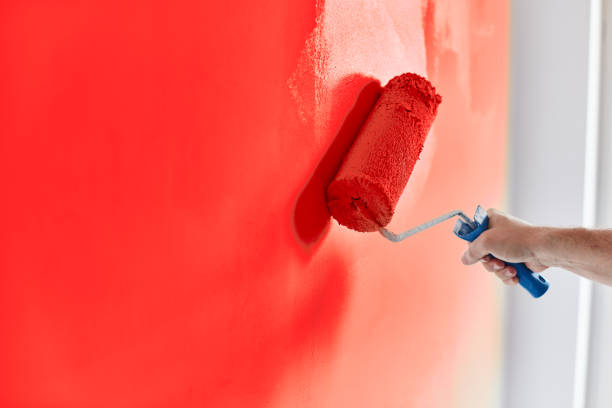
A small painting project can be fairly forgiving. If one wall takes a little longer or a painter changes tools halfway through the job, the difference may not be noticeable. Larger projects are different. When several rooms, walls, trim areas, or work crews are involved, consistency becomes much more important.
The tools used throughout the project can contribute to that consistency. Brushes And Rollers are not simply accessories sitting beside the paint can; they influence how consistently material is transferred to the surface and how easily painters can repeat the same process across multiple areas. Norberg Paints serves homeowners, contractors, and commercial and industrial customers and carries professional painting products from manufacturers such as Wooster and Corona.
Consistency Becomes Harder as the Project Gets Bigger
Painting one bedroom and painting an entire building are very different operational challenges.
On a larger project, there may be:
- Several painters working at once
- Multiple rooms or sections
- Different working days
- Several containers of paint
- Repeated colors across different areas
- Different application stages
- Touch-ups after the main work is complete
Every additional variable creates another opportunity for the final appearance to become inconsistent.
This is why professional projects benefit from establishing a repeatable approach before the work begins.
Standardize the Process Without Making It Complicated
Consistency does not mean every painter has to use exactly the same tool for every situation.
Instead, establish clear expectations for each repeated task.
If several large walls are being painted with the same product and finish, using comparable roller covers can help keep the application process more consistent. Likewise, if several areas require detailed brushwork, keeping the brush type and size consistent can make the work easier to repeat.
Norberg’s current selection includes different Wooster roller covers, including the Super/Fab FTP synthetic blend cover and Jumbo-Koter Pro/Doo-Z mini roller products.
The important point is to create consistency around the work being repeated rather than choosing tools simply because they are available.
Keep the Same Work Standard Across Rooms
A common problem on multi-room projects is that different areas can gradually develop their own approach.
One room may be completed with one roller configuration, while another is handled with something different. A painter may change tools because the original one is unavailable, or another crew member may use a different brush for similar detail work.
Those differences are not automatically bad, but they can make the final result less uniform.
A project manager or lead painter can reduce this uncertainty by defining the standard approach for recurring tasks before work begins.
That might include the type of roller used for broad wall areas, the brush used for trim, and the products assigned to specific stages.
Tool Identification Can Prevent Simple Confusion
On a large job, several brushes and rollers can look almost identical.
When multiple colors or products are involved, it becomes easy for tools to end up in the wrong work area.
Simple identification can help.
Tools can be assigned to specific colors, rooms, crews, or stages. The system does not have to be complicated. A clear label, designated location, or consistent arrangement may be enough.
The purpose is to reduce uncertainty when several people are working simultaneously.
Repeated Work Benefits From Repeatable Tools
Imagine a contractor painting ten similar apartment units.
The objective is not merely to finish each unit. The contractor wants the same general result in every unit.
Using a repeatable setup makes that easier.
The same basic roller configuration can be assigned to comparable wall surfaces, while the same type of brush can be used for repeated trim work. This gives painters a familiar process instead of requiring them to make new tool decisions in every room.
That familiarity can also make onboarding easier when another painter joins the crew.
Keep Replacement Tools Comparable
Even well-managed projects eventually need replacement applicators.
A roller cover may become unusable, or a brush may be misplaced. If the replacement is substantially different from the original, the painter may notice a difference in how the material behaves.
For that reason, keeping the manufacturer, model, size, and other useful product information can be helpful.
Norberg’s product listings provide identifiers such as SKU, model number, and UPC for many products. For example, the Wooster RR502 roller is listed with its specific SKU and model information, while the Wooster 2.5-inch Angle Sash brush has its own product identifiers.
Recording this information can make it easier to obtain the same product again when consistency matters.
Large Projects Also Need a Clear Handoff
Painting work is often completed in stages.
One crew may prepare an area, another may apply the main coating, and someone else may return for final details or touch-ups.
Without clear communication, the last person on the job may not know exactly which tools or products were used earlier.
A basic project record can solve much of this.
Document the product, color, finish, applicator type, and areas completed. If a touch-up is needed later, the next painter has useful information instead of having to reconstruct the process from memory.
Consistency Matters Even More for Touch-Ups
A touch-up is supposed to disappear into the surrounding finish.
That becomes harder when the replacement application is handled differently from the original work.
The exact result depends on many factors, but using comparable materials and maintaining good project records gives the painter a better starting point.
This is particularly useful for commercial properties where maintenance work may happen months after the original painting project.
Don’t Confuse Consistency With Using One Tool Everywhere
Standardization has limits.
A project can benefit from consistency without requiring one brush or roller to handle every task.
Detailed trim work and broad wall application are different jobs. Small areas, large areas, corners, and open surfaces may require different applicators.
Norberg’s current range demonstrates this variety, with products including a 2.5-inch Wooster Angle Sash brush and different roller formats intended for different applications.
The objective is therefore not to eliminate variety. It is to make sure that variety is intentional.
The Human Side Still Matters
Tools alone cannot guarantee a consistent painting project.
Crew training, communication, product knowledge, surface conditions, and quality checks all matter. However, good tools can make a repeatable process easier to establish.
This is particularly relevant for contractors managing multiple painters. A clearly defined tool setup gives the crew one less variable to figure out independently.
Instead of every painter developing a personal system, the team can work from an agreed approach while still applying professional judgment where conditions require it.
A Better System Starts Before the Paint Goes on
Consistency is easier to achieve when it is planned before work begins.
Identify the repeated tasks. Determine which tools will be used for those tasks. Record the product information. Make sure replacement items can be identified. Then communicate the system to everyone involved.
That preparation can save time later when a project moves between rooms, crews, or stages.
It also creates a useful reference for future work on the same property.
The Right Applicator System Can Support Better Project Control
A large painting project is ultimately a coordination exercise. Paint, people, surfaces, schedules, and equipment all have to work together.
Brushes And Rollers are one part of that system, but they can play an important role in making repeated work more predictable. Norberg Paints has supplied painting products to residential, commercial, and industrial customers since 1885 and offers professional painting supplies alongside services for paint equipment and product selection.
For contractors and serious DIY painters, the goal should not simply be to collect more applicators. It should be to create a setup that can be repeated when the same type of work appears again. When tools, product information, and project expectations are kept consistent, large painting jobs become easier to coordinate and the finished result can feel more uniform from one area to the next.