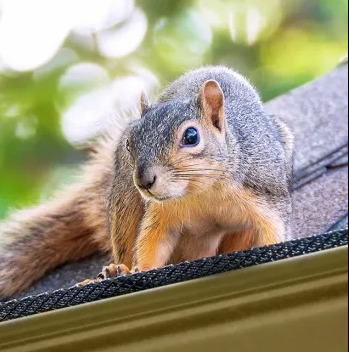
Wildlife plays an important role in maintaining a healthy ecosystem, but it becomes a different matter when animals begin sharing your living space. Homes provide warmth, shelter, and easy access to food, making them attractive to many small animals throughout the year. Once wildlife finds a way indoors, it can quietly create problems that affect both the structure of a home and the comfort of the people living there. Understanding how these issues develop is the first step toward protecting your property.
One of the most common wildlife concerns for homeowners is unwanted attic activity. Animals that enter roof spaces often remain hidden for weeks before they are discovered. During that time, they may damage insulation, chew wooden materials, and leave behind nesting debris. When these warning signs appear, prompt squirrel removal can prevent the problem from becoming more extensive while reducing the risk of expensive repairs.
Why Wildlife Finds Residential Properties Attractive
Modern neighbourhoods offer many of the resources that wild animals need to survive. Trees provide natural travel routes, landscaped yards create shelter, and outdoor food sources make residential areas especially inviting.
Garbage containers that are not tightly sealed, bird feeders, pet food left outdoors, and overflowing compost bins can all encourage wildlife to remain nearby. Once animals become comfortable around a property, they naturally begin searching for protected spaces where they can rest or build nests.
The weather also influences animal behavior. During cold seasons, attics and crawl spaces offer warmth and protection from harsh temperatures. During periods of heavy rain, covered areas around homes become ideal temporary shelters.
Early Signs That Should Never Be Ignored
Wildlife infestations rarely happen overnight. In most cases, there are several warning signs before serious damage occurs. Paying attention to these clues allows homeowners to respond quickly.
Common indicators include:
- Scratching or movement above ceilings
- Chewing sounds inside the walls
- Damaged attic insulation
- Small droppings near storage areas
- Strong or unusual odours
- New openings around vents or roof edges
Regularly inspecting your property can help identify these issues before they become larger and more costly to resolve.
How Wildlife Can Affect Your Home
Many homeowners are surprised by the amount of damage that small animals can cause. Continuous chewing can weaken wooden structures and destroy insulation, reducing a home’s overall energy efficiency.
Electrical systems are also vulnerable. Animals often chew wiring, creating fire hazards and increasing repair costs. Roof vents and soffits may be damaged as wildlife creates larger entry points, allowing moisture to enter the attic and contribute to mould growth or wood deterioration.
In addition to physical damage, wildlife can affect indoor air quality through nesting materials, droppings, and contamination in hidden areas. These problems often remain unnoticed until the infestation becomes more severe.
Why Professional Assistance Is Worth Considering
Although some homeowners try to handle wildlife issues themselves, successful removal requires more than simply removing the animal. Entry points must be identified and sealed to prevent future activity.
Property owners dealing with recurring infestations often choose professional squirrel removal Columbia SC services because experienced wildlife specialists understand how different animals behave and where they typically hide. A detailed inspection helps uncover hidden access points while providing practical solutions designed to reduce future wildlife activity.
Professional removal also reduces the risk of incomplete solutions that allow animals to return after a short period.
Practical Prevention Strategies
Preventing wildlife problems is usually easier and less expensive than repairing the damage they leave behind. Consistent maintenance around the property plays a major role in keeping unwanted animals away.
Keep Landscaping Well-Maintained
Trim tree branches away from the roof and remove dense vegetation growing close to the home’s exterior. This limits easy access for climbing animals.
Secure Food Sources
Store trash in tightly sealed containers and avoid leaving pet food outdoors overnight. Clean the bird feeder regularly to reduce food spills.
Inspect Your Home Seasonally
Check roofing materials, vents, chimneys, and foundations for cracks or openings that could allow wildlife to enter. Small repairs completed early can prevent much larger problems later.
Reduce Outdoor Clutter
Stacks of firewood, unused equipment, and yard debris provide excellent hiding places for wildlife. Keeping the property organised reduces attractive shelter opportunities.
Long-Term Protection Starts With Prevention
Protecting a home from wildlife is an ongoing process rather than a one-time task. Small maintenance efforts completed throughout the year can significantly reduce the chances of unwanted animals entering the property.
When homeowners stay alert to early warning signs and respond quickly to potential problems, they are far less likely to experience costly structural damage or recurring infestations. Combining regular inspections, proper maintenance, and professional wildlife services when necessary creates a long-term strategy that helps preserve both the safety and value of the home.
A proactive approach not only protects the property itself but also provides greater peace of mind, allowing homeowners to enjoy a cleaner, safer, and more comfortable living environment in every season.