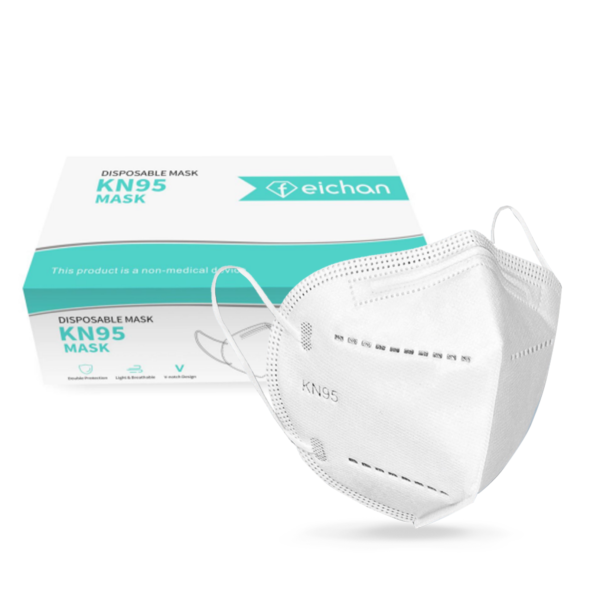
Protecting yourself from airborne particles is an important consideration in healthcare environments, workplaces, public transportation, and everyday situations. With increasing awareness of respiratory health and air quality, protective face masks have become an essential part of personal protective equipment (PPE). Among the available options, the KN95 Face Mask is widely recognised for its filtration capabilities, comfortable design, and practical applications.
Designed to filter airborne particles when manufactured to the applicable standard and worn correctly, KN95 masks offer a protective barrier that can help reduce exposure to dust, aerosols, and other airborne contaminants. Their structured design and multiple filtration layers make them suitable for various environments where respiratory protection is important.
Whether you need a mask for workplace safety, healthcare-related activities, travelling, or personal use, understanding how KN95 masks work can help you make an informed decision.
This guide explores the features, benefits, materials, applications, fitting considerations, and purchasing factors associated with KN95 masks. It also answers common questions to help you understand their role in respiratory protection.
What Is a KN95 Face Mask?
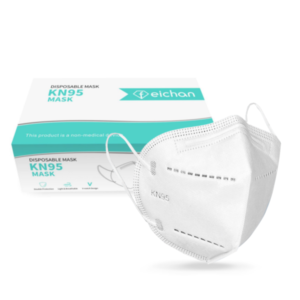
A KN95 Face Mask is a type of filtering facepiece respirator designed to meet China’s GB 2626 respiratory protection standard. The KN95 classification indicates a filtration efficiency of at least 95% against specified non-oily test particles under the standard’s testing conditions.
Unlike ordinary fabric or basic disposable masks, KN95 respirators are designed to provide a closer fit around the nose, cheeks, and chin. This helps reduce the amount of unfiltered air entering around the edges when the mask is properly fitted.
Most KN95 masks feature multiple layers of nonwoven materials, including filtration layers designed to capture airborne particles.
They are commonly available in foldable and three-dimensional designs, making them suitable for different face shapes and user preferences.
It is important to understand that filtration performance and real-world protection depend on product quality, proper fit, and correct use. A KN95 marking alone does not guarantee that every product sold under that name meets the required standard.
How Does a KN95 Face Mask Work?
KN95 respirators use a combination of filtration materials and physical design features to reduce exposure to airborne particles.
Their filtration system generally consists of multiple layers, each performing a specific function.
Outer Protective Layer
The outer layer is commonly made from spunbond nonwoven polypropylene.
It provides structural support and helps protect the internal filtration materials from larger particles, moisture droplets, and external contamination.
Middle Filtration Layer
The middle layer is particularly important because it contains specialised filtration material.
Many KN95 respirators use melt-blown polypropylene, which contains fine fibres capable of capturing airborne particles through several filtration mechanisms.
These include:
- Interception, where particles come into contact with filter fibres.
- Impaction, where larger particles collide with fibres.
- Diffusion, which helps capture very small particles through their movement.
- Electrostatic attraction, which helps capture particles that pass close to charged filter fibres.
The combination of these mechanisms supports the filtration performance required by the relevant standard.
Inner Comfort Layer
The inner layer sits against the face and is generally made from soft nonwoven material.
It is designed to improve wearing comfort by reducing direct contact with the filtration layer and providing a more comfortable surface against the skin.
Nose Clip and Ear Loops
Most KN95 masks include an adjustable nose clip and elastic ear loops.
The nose clip helps shape the mask around the nose, while the ear loops hold it in position.
Together, these features help create a closer fit and reduce gaps around the face.
Key Benefits of Wearing a KN95 Face Mask
KN95 respirators offer several features that make them useful for people who need reliable respiratory protection.
High Filtration Efficiency
One of the main advantages of a KN95 respirator is its filtration performance.
Under the GB 2626 testing requirements, a compliant KN95 respirator must achieve at least 95% filtration efficiency against specified non-oily test particles.
This makes it different from ordinary cloth masks, which do not have the same standardised filtration classification.
However, laboratory filtration efficiency should not be confused with the level of protection achieved by an individual wearer. Facial fit and correct use are equally important.
Close-Fitting Design
KN95 masks are designed to fit more closely than many traditional loose-fitting disposable masks.
Their structured shape helps cover the nose and mouth while reducing gaps around the sides.
A good fit is important because air can enter through openings around the mask instead of passing through its filtration material.
Multiple Filtration Layers
The layered construction provides different levels of filtration and protection.
The outer and inner layers support the structure and comfort of the mask, while the middle filtration material captures airborne particles.
This construction allows manufacturers to meet the filtration requirements associated with the KN95 classification.
Lightweight Construction
Most KN95 masks are made using lightweight nonwoven materials.
Their relatively compact design makes them convenient to carry in suitable packaging and use in different environments.
They can be stored in personal protective equipment supplies, workplace safety kits, and travel bags.
Convenient for Everyday Activities
KN95 masks are available in foldable designs that are easy to store when not in use.
People may use them in situations involving crowded indoor spaces, public transportation, dusty environments, or other settings where respiratory protection is appropriate.
The correct type of respirator should always be selected according to the hazards and requirements of the environment.
Different Designs and Sizes
KN95 masks are available in various shapes, colours, and sizes.
Some feature a vertical fold, while others have a three-dimensional cup or structured design.
This variety allows users to consider facial shape, comfort, and fit when choosing a suitable respirator.
Common Applications of KN95 Face Masks
The versatility of KN95 respirators makes them suitable for different personal and occupational settings, provided the product is appropriate for the specific hazard.
Healthcare and Medical Environments
Respiratory protection is an important consideration in healthcare facilities, laboratories, and other environments where workers may encounter airborne particles.
KN95 respirators may be used in certain settings when permitted by workplace policies and applicable regulations.
However, healthcare professionals should follow their facility’s respiratory protection programme and use respirators approved for the specific task.
For certain medical procedures or regulated environments, a certified NIOSH-approved N95 respirator may be required instead.
Manufacturing and Industrial Workplaces
Manufacturing facilities can expose workers to airborne dust and particulate matter generated during production activities.
KN95 respirators may be suitable for some non-oil particulate hazards, depending on the workplace risk assessment and applicable safety requirements.
Employers should evaluate the type and concentration of airborne contaminants before selecting respiratory protection.
A KN95 respirator is not suitable for every industrial hazard, particularly environments involving gases, vapours, or certain hazardous substances.
Public Transportation
Buses, trains, airports, and other transportation facilities can involve close contact with large numbers of people.
Some individuals choose to wear KN95 respirators in crowded indoor environments to reduce exposure to airborne particles.
Their compact design makes them convenient for people who travel regularly.
Construction and Maintenance
Construction and maintenance activities can generate dust from cutting, drilling, sanding, and handling certain materials.
A properly selected particulate respirator may help reduce exposure to specific airborne particles.
However, workers must consider the exact material involved. For example, asbestos, silica, and other hazardous substances require specialised respiratory protection programmes and appropriate equipment.
A KN95 mask should not automatically be considered sufficient protection for these activities.
Cleaning and General Workplace Activities
Some cleaning and maintenance activities generate airborne dust and particles.
Depending on the substances involved, an appropriate respirator may help reduce inhalation exposure.
However, KN95 respirators do not protect against chemical gases or vapours. Always check the product specifications and safety data for the substances being handled.
Personal and Travel Use
People may also choose KN95 respirators when travelling, visiting crowded locations, or spending time in environments where airborne particle exposure is a concern.
Their lightweight construction and foldable packaging make them convenient for carrying in personal bags.
KN95 vs N95 vs Surgical Masks: What Is the Difference?
Although KN95, N95, and surgical masks are often discussed together, they are not identical products. They follow different standards and have different intended applications.
| Feature | KN95 | N95 | Surgical Mask |
| Standard | China GB 2626 | US NIOSH 42 CFR Part 84 | Applicable medical mask standards |
| Filtration Classification | At least 95% | At least 95% | Varies by standard |
| Fit | Close-fitting respirator | Close-fitting respirator | Generally loose-fitting |
| Nose Clip | Usually included | Usually included | Usually included |
| Head or Ear Straps | Varies by design | Usually head straps | Commonly ear loops or ties |
| Main Purpose | Particulate respiratory protection | Particulate respiratory protection | Primarily source control and splash protection, depending on type |
KN95 vs N95
Both KN95 and N95 respirators are designed to filter at least 95% of specified test particles.
However, they follow different certification systems.
KN95 respirators are manufactured to the Chinese GB 2626 standard, while N95 respirators are approved by the US National Institute for Occupational Safety and Health (NIOSH).
Their testing methods and requirements are not identical, so the classifications should not be treated as interchangeable certifications.
KN95 vs Surgical Masks
Surgical masks are primarily designed to provide a barrier against droplets and splashes and to reduce the spread of respiratory secretions.
Unlike close-fitting respirators, most surgical masks do not form a tight seal around the face.
KN95 respirators are designed to provide closer facial contact and filter airborne particles when properly fitted.
The right option depends on the intended use, exposure risk, and applicable workplace requirements.
How to Wear a KN95 Face Mask Correctly
Correct wearing practices are essential for getting the intended performance from a KN95 respirator.
Even a high-quality mask may provide reduced protection if it is worn incorrectly or does not fit the user’s face.
Step 1: Wash or Sanitise Your Hands
Clean your hands before handling the respirator.
This helps prevent dirt and contaminants from transferring to the mask’s inner surface.
Step 2: Inspect the Respirator
Check the mask for visible damage, holes, broken straps, or other defects.
Do not use a respirator that appears damaged or has been compromised.
Step 3: Position the Mask
Place the respirator over your nose and mouth.
Ensure that it covers the area from the bridge of your nose to beneath your chin.
Step 4: Secure the Ear Loops or Straps
Position the ear loops around your ears or secure the head straps according to the manufacturer’s instructions.
Make sure the respirator remains stable without unnecessary movement.
Step 5: Adjust the Nose Clip
Use your fingers to shape the nose clip around the bridge of your nose.
A properly adjusted nose clip helps reduce gaps around the upper edge.
Step 6: Perform a User Seal Check
Check for noticeable air leakage around the edges when breathing.
Follow the manufacturer’s seal-check instructions. If air escapes around the nose or sides, readjust the respirator.
A user seal check is not a substitute for formal fit testing where fit testing is required.
How to Choose a High-Quality KN95 Face Mask
With many products available in the market, selecting a reliable respirator requires careful attention to quality, certification, and fit.
Check the GB 2626 Standard
Look for products clearly marked with the applicable GB 2626 standard and KN95 classification.
For newer products, the marking may reference GB 2626-2019.
Check the manufacturer’s documentation to confirm that the product has been tested according to the relevant requirements.
Verify the Manufacturer
Choose products from manufacturers that provide clear company information, product specifications, and supporting documentation.
Reliable manufacturers should be able to explain their filtration materials, production standards, and quality control procedures.
Examine Product Labelling
Product packaging should provide useful information, including:
- KN95 classification.
- Applicable manufacturing standard.
- Manufacturer details.
- Model identification.
- Production or batch information.
- Wearing instructions.
Missing or unclear labelling can make it difficult to verify product authenticity.
Evaluate Fit and Comfort
Different KN95 designs fit different face shapes.
A mask that works well for one person may not provide an adequate seal for another.
Consider the nose bridge design, ear loop tension, facial coverage, and overall shape.
For occupational use requiring a respirator, formal fit testing and other programme requirements should be followed.
Review Filtration Documentation
Look for credible testing documentation from qualified laboratories.
The documentation should identify the tested model and relevant standard rather than making broad claims about an entire product range.
Avoid relying solely on promotional statements or unverified filtration percentages.
Consider Packaging and Storage
Individual packaging can help protect unused respirators from dust and contamination.
Check the manufacturer’s storage recommendations and expiry information where provided.
Store masks in a clean, dry location away from excessive heat, moisture, and direct sunlight.
How Often Should You Replace a KN95 Face Mask?
KN95 respirators are generally designed as disposable filtering facepieces rather than washable masks.
Their replacement frequency depends on the manufacturer’s instructions, workplace policies, and conditions of use.
Consider replacing a respirator when:
- It becomes visibly dirty.
- It becomes wet or damp.
- It is damaged or torn.
- The straps become loose or broken.
- Breathing becomes noticeably more difficult.
- It no longer fits securely.
- It has been contaminated or exposed to substances that compromise its performance.
Do not wash a KN95 respirator with water, soap, or cleaning chemicals. Washing can damage its filtration properties.
Avoid sharing respirators between individuals.
For workplace use, follow the employer’s respiratory protection programme and applicable occupational safety guidance.
Common Mistakes to Avoid When Using KN95 Respirators
Even properly manufactured respirators may not perform as intended when users make common wearing or handling mistakes.
Wearing the Mask Below the Nose
A respirator must cover both the nose and mouth. Leaving the nose exposed reduces the intended protection.
Ignoring Facial Gaps
Gaps around the cheeks, nose, and chin can allow unfiltered air to enter.
Adjust the respirator and check its fit before use.
Reusing Damaged Masks
A damaged respirator may no longer provide the expected filtration or fit.
Replace it if the material, straps, or nose clip become compromised.
Washing Disposable Respirators
Cleaning a disposable KN95 with water or household cleaning products can damage the filtration material.
Follow the manufacturer’s instructions rather than attempting to wash it.
Buying Unverified Products
Products labelled KN95 are not automatically genuine or compliant.
Check the manufacturer, model information, labelling, and available testing documentation before purchasing.
Frequently Asked Questions About KN95 Face Masks
1. What does KN95 mean on a face mask?
KN95 refers to a respirator classification under China’s GB 2626 standard. It indicates that the respirator meets a minimum filtration efficiency of 95% against specified non-oily test particles under the standard’s testing conditions.
2. Is a KN95 face mask better than a regular disposable mask?
KN95 respirators are designed for higher particulate filtration and a closer facial fit than ordinary loose-fitting disposable masks. However, their actual performance depends on product quality, fit, and correct use.
3. Can KN95 masks protect against airborne particles?
Yes. A compliant KN95 respirator is designed to filter specified airborne particles. The level of protection achieved depends on how well the respirator fits and whether it is used correctly.
4. Are KN95 masks reusable?
KN95 respirators are generally designed as disposable products. Some workplace or manufacturer guidance may allow limited extended use under specific conditions, but they should not be washed or reused when damaged, wet, dirty, or contaminated.
5. Can I wash a KN95 face mask?
No. Washing a KN95 respirator with water, soap, or cleaning chemicals can damage its filtration material and reduce its performance. Follow the manufacturer’s instructions for replacement and disposal.
6. How do I know if my KN95 mask is genuine?
Check the product’s GB 2626 markings, manufacturer information, model identification, and supporting test documentation. Purchase from reputable suppliers that can provide traceable product information.
7. Can children wear KN95 masks?
Some manufacturers produce smaller respirator designs intended for children. However, a respirator must fit properly to provide its intended protection. Standard adult-sized masks may not fit children’s faces correctly.
8. What is the difference between KN95 and FFP2 masks?
KN95 and FFP2 are respirator classifications based on different standards. KN95 follows China’s GB 2626 standard, while FFP2 follows the European EN 149 standard. Both are designed for high-efficiency particulate filtration, but their testing and certification requirements differ.
9. Do KN95 masks protect against gases and chemical vapours?
No. Standard KN95 respirators are designed for particulate filtration, not gases or chemical vapours. Specific hazards require appropriately selected respiratory protection, such as suitable gas or vapour cartridges.
10. How should I store KN95 masks?
Store unused KN95 respirators in their original packaging in a clean, dry location. Keep them away from excessive heat, moisture, direct sunlight, and substances that could damage the filtration material.
11. Can I wear a KN95 mask for long periods?
KN95 respirators can be worn according to the manufacturer’s instructions and applicable workplace requirements. However, comfort and suitability vary between individuals. Replace the respirator if it becomes wet, damaged, dirty, or difficult to breathe through.
12. Where can businesses buy KN95 face masks in bulk?
Businesses can purchase KN95 respirators through reputable PPE manufacturers, medical supply distributors, and wholesale suppliers. Before placing a bulk order, verify the product standard, manufacturer details, model documentation, packaging, and quality requirements.
Final Thoughts
A KN95 Face Mask is a practical respiratory protection option designed to filter specified airborne particles while providing a closer fit than traditional loose-fitting disposable masks.
Its multilayer construction, lightweight materials, and convenient design make it suitable for various personal and workplace applications when the respirator is appropriate for the hazard.
However, selecting the right product requires more than checking the KN95 label. Buyers should verify the applicable manufacturing standard, review product documentation, evaluate facial fit, and follow correct wearing and replacement practices.
Whether purchasing for personal use, workplace safety, or organisational PPE supplies, choosing a properly manufactured and suitable KN95 respirator is an important step towards effective respiratory protection.