Protecting respiratory health is an important consideration in healthcare, manufacturing, construction, public transportation, and everyday environments. Airborne particles, dust, aerosols, and other contaminants can create respiratory exposure risks. Choosing suitable protective equipment helps reduce these risks when used correctly.
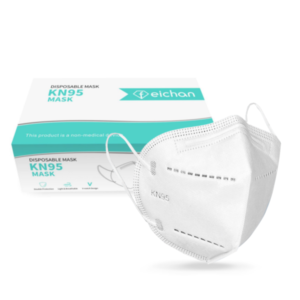
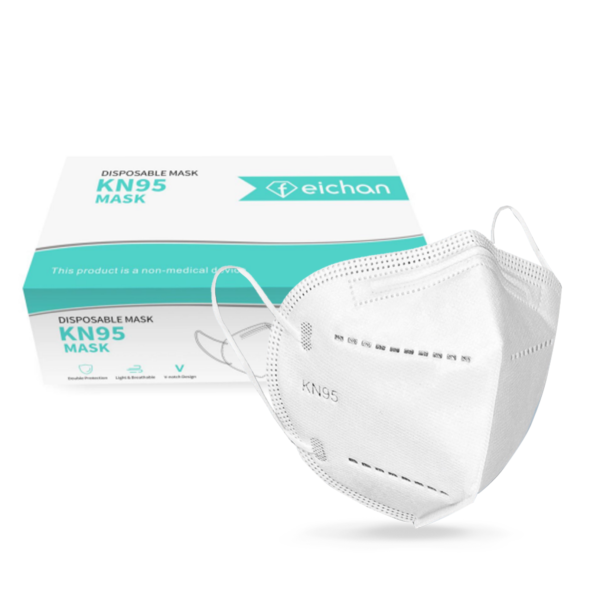
A KN95 Face Mask is a filtering facepiece respirator designed to reduce the wearer’s exposure to airborne particles. It is commonly used in workplaces and public settings where respiratory protection is required.
Unlike ordinary cloth face coverings and basic disposable masks, KN95 respirators are designed to meet specific filtration performance requirements under the Chinese GB 2626 standard.
Their filtering material, secure fit, and lightweight construction make them a practical option for various respiratory protection applications.
However, selecting the right respirator involves more than checking its filtration rating. Fit, certification, product quality, breathing resistance, and intended application are equally important.
This guide explains what KN95 respirators are, how they work, their benefits, common applications, and how to choose a suitable product.
What Is a KN95 Face Mask?
A KN95 face mask is a filtering facepiece respirator designed to filter at least 95% of qualifying airborne particles under the testing conditions specified by the relevant Chinese respiratory protection standard.
The KN95 classification is associated with China’s GB 2626 respiratory protective equipment standard.
These respirators are commonly manufactured using multiple layers of filtration material.
Their design generally includes:
- Multiple filtration layers.
- Adjustable nose bridge.
- Elastic ear loops or other fastening arrangements.
- Foldable or shaped construction.
- Close-fitting facial coverage.
- Lightweight materials.
KN95 respirators are designed to cover the nose and mouth while creating a seal around the face.
Their protective performance depends on the product meeting the applicable requirements and fitting the wearer correctly.
It is important to understand that KN95 and N95 are different regulatory classifications. They have similar stated filtration efficiency requirements but are tested under different standards.
How Does a KN95 Face Mask Work?
A KN95 respirator uses specialised filtering materials to capture airborne particles as the wearer breathes.
Its filtration system is designed to reduce the amount of qualifying particles that pass through the mask material.
Multiple Filtration Layers
Many KN95 respirators contain multiple layers of non-woven material.
Different layers perform different functions, including structural support, particle filtration, and comfort.
Some designs use electrostatically charged filtration media to improve particle capture.
The exact construction varies between manufacturers.
Particle Filtration
The filtration material helps capture particles through mechanisms such as interception, impaction, and electrostatic attraction.
These mechanisms allow the respirator to filter airborne particles while maintaining airflow within its tested performance requirements.
Facial Seal
A proper facial seal is essential for respirator performance.
The nose bridge and edges should fit closely against the face.
Gaps around the nose, cheeks, or chin can allow unfiltered air to enter.
Facial hair in the sealing area can also interfere with the seal.
Breathing Resistance
KN95 respirators are tested for breathing resistance under the applicable standard.
However, comfort varies between models and individuals.
The correct respirator should provide suitable protection while allowing the wearer to breathe comfortably during the intended activity.
Benefits of Using a KN95 Face Mask
KN95 respirators offer several features that make them useful for respiratory protection when properly selected and worn.
High Filtration Efficiency
A compliant KN95 respirator is designed to achieve at least 95% filtration efficiency under the specified test conditions.
This makes it suitable for reducing exposure to qualifying airborne particles when the respirator fits correctly.
Actual protection depends on fit, product quality, and correct use.
Close-Fitting Design
KN95 respirators are designed to fit closely around the nose and mouth.
Many models include adjustable nose bridges to help reduce gaps around the nose.
A suitable fit helps limit the amount of air entering around the edges.
Lightweight Construction
Many KN95 masks use lightweight non-woven filtration materials.
This makes them practical for selected workplace and everyday applications.
Different models may vary in thickness, shape, and overall comfort.
Convenient Design
KN95 respirators are commonly available in foldable and cup-shaped designs.
Foldable models can be convenient for storage, while structured designs may provide additional space around the nose and mouth.
Disposable Format
Most KN95 respirators are designed for single-user use and are generally treated as disposable.
Following manufacturer instructions and workplace policies is important.
They should be replaced when damaged, contaminated, soiled, or difficult to breathe through.
Multiple Applications
KN95 respirators can be used in different environments where particulate respiratory protection is appropriate.
Their suitability depends on the exposure risk and applicable workplace requirements.
Different Types of KN95 Face Masks
KN95 respirators are available in different shapes and designs.
Understanding these options can help users choose a suitable product.
Foldable KN95 Face Mask
Foldable KN95 respirators feature a design that can be opened and shaped around the nose and mouth.
They are often supplied in individually packaged units or bulk boxes.
Common features include:
- Flat-fold construction.
- Flexible nose bridge.
- Elastic ear loops.
- Lightweight filtration layers.
- Compact storage design.
These respirators may be convenient for workplaces that distribute individual masks to employees.
Cup-Shaped KN95 Face Mask
Cup-shaped KN95 respirators feature a structured design that maintains space around the nose and mouth.
The shape may help some users achieve a comfortable fit.
However, facial shapes vary, so a cup-shaped design is not automatically more protective than a foldable model.
Fit should always be assessed individually.
KN95 Face Mask With Adjustable Nose Bridge
Many KN95 respirators include a flexible nose bridge.
This component can be shaped around the nose to improve fit and reduce gaps.
Users should follow the manufacturer’s instructions when adjusting the nose bridge.
Coloured KN95 Face Masks
KN95 respirators are available in different colours.
Common options include white, black, and selected coloured designs.
Colour is mainly an appearance preference and does not establish filtration performance.
Buyers should check certification, manufacturer information, and product specifications rather than selecting a respirator based on colour alone.
Common Uses of KN95 Face Masks
KN95 respirators are used in various environments where reducing exposure to airborne particles is important.
However, they are not suitable for every respiratory hazard.
Healthcare Environments
Healthcare environments may require respiratory protection during activities involving airborne particles or infectious aerosols.
KN95 respirators may be considered in settings where the relevant authority or workplace permits their use.
However, they are not automatically interchangeable with NIOSH-approved N95 respirators.
Healthcare facilities should follow applicable infection prevention policies and respiratory protection requirements.
Construction and Manufacturing
Construction and manufacturing activities can generate airborne dust and particles.
Suitable respirators may be required to reduce worker exposure.
However, KN95 respirators should only be used when their performance is appropriate for the identified hazard.
They do not protect against gases, vapours, or all chemical exposures.
Workplaces should conduct risk assessments and select respiratory protection according to applicable safety regulations.
Public Transportation
Public transportation can involve spending time in shared indoor spaces.
Some people choose to wear KN95 respirators in crowded environments to reduce exposure to airborne particles.
A properly fitting respirator can provide more effective particle filtration than a loose-fitting face covering.
Laboratories
Laboratories may require respiratory protection when working with certain airborne particulate hazards.
The selected respirator must match the laboratory’s exposure assessment and safety procedures.
Specialised respiratory equipment may be required for chemical vapours, biological hazards, or other high-risk activities.
Cleaning and Maintenance
Some cleaning and maintenance activities can generate airborne dust and particles.
A suitable respirator may help reduce exposure during selected tasks.
However, cleaning chemicals can release vapours or gases that require different protective equipment.
Always check chemical safety information and workplace requirements.
Everyday Personal Use
Some individuals choose KN95 respirators for personal use in crowded indoor spaces, public transportation, or environments with airborne particles.
The appropriate choice depends on individual circumstances, exposure levels, and current public health guidance.
KN95 vs N95 vs Surgical Masks
Different types of masks and respirators provide different levels of protection.
Understanding their differences helps users select suitable products.
KN95 Respirators
KN95 respirators are designed to meet China’s GB 2626 requirements.
They are tested for at least 95% filtration efficiency under the applicable standard.
Their performance depends on product compliance and a proper facial seal.
N95 Respirators
N95 respirators are certified by the US National Institute for Occupational Safety and Health (NIOSH).
They are designed to filter at least 95% of airborne particles under the NIOSH testing requirements.
NIOSH approval can be checked using the official approval information and manufacturer details.
Surgical Masks
Surgical masks are primarily designed to provide a barrier against droplets and reduce the release of respiratory particles.
They generally fit more loosely than filtering facepiece respirators.
Their filtration and fluid resistance depend on the applicable product standard.
They should not be considered equivalent to a properly fitted KN95 or N95 respirator for reducing inhalation exposure to airborne particles.
Which One Should You Choose?
The appropriate product depends on the intended application.
KN95 and N95 respirators are designed for particulate respiratory protection.
Surgical masks are intended for different medical and general barrier applications.
For regulated workplace respiratory protection in the United States, employers should select respirators approved under the applicable OSHA and NIOSH requirements.
How to Choose the Right KN95 Face Mask
Selecting a suitable KN95 respirator involves evaluating product specifications, fit, and supplier reliability.
Verify the GB 2626 Standard
Look for products that identify the applicable GB 2626 standard and KN95 classification.
The manufacturer should provide clear product identification and supporting documentation.
Avoid relying solely on packaging claims.
Check Manufacturer Information
A reputable manufacturer should provide identifiable product details.
Check the manufacturer name, model number, production information, and relevant documentation.
Be cautious of products with unclear or inconsistent labelling.
Assess Facial Fit
A respirator must fit properly to provide its intended protection.
Check for gaps around the nose, cheeks, and chin.
The respirator should remain securely positioned during normal movement and breathing.
Review Nose Bridge Design
An adjustable nose bridge can help users improve the fit around the nose.
It should be shaped carefully according to the manufacturer’s instructions.
Consider Comfort
Comfort is important when a respirator is worn for extended periods.
Consider ear loop tension, material softness, breathing resistance, and overall design.
However, comfort should never replace fit and performance requirements.
Check Packaging and Product Condition
Packaging should protect respirators from contamination before use.
Inspect products for damaged packaging, unusual odours, defective straps, or damaged filtration material.
Do not use respirators that appear damaged or defective.
Purchase From Reliable Suppliers
Choose suppliers that provide clear product specifications and traceable manufacturer information.
Ask for relevant test reports and documentation where necessary.
For workplace use, confirm that the respirator meets the applicable regulatory requirements.
How to Wear a KN95 Face Mask Correctly
Correct use is essential for achieving the intended respiratory protection.
Follow the manufacturer’s instructions and workplace respiratory protection procedures.
Wash or Sanitise Your Hands
Clean your hands before handling the respirator.
This helps prevent unnecessary contamination during application.
Inspect the Respirator
Check the mask, nose bridge, and straps for damage.
Do not use a respirator with broken straps or visible defects.
Position the Respirator
Place the respirator over your nose and mouth.
Position the straps according to the manufacturer’s instructions.
Make sure the lower edge covers your chin.
Adjust the Nose Bridge
Shape the nose bridge gently to follow the contours of your nose.
This helps reduce gaps around the upper edge.
Perform a User Seal Check
After putting on the respirator, perform the seal check described by the manufacturer.
Check whether air escapes around the edges during inhalation or exhalation.
A user seal check is not the same as a formal fit test.
Workplaces with mandatory respirator programmes must follow applicable fit-testing requirements.
Avoid Touching the Front
Once positioned, avoid unnecessary contact with the front of the respirator.
If adjustment is required, follow suitable hand hygiene procedures.
Replace When Necessary
Replace the respirator if it becomes damaged, wet, visibly dirty, contaminated, or difficult to breathe through.
Follow manufacturer guidance and workplace policies regarding use and disposal.
Common Mistakes to Avoid When Buying KN95 Face Masks
Choosing unsuitable respirators can affect their performance and reliability.
Avoid these common mistakes.
Buying Based Only on Price
Low prices do not guarantee product quality.
Check manufacturer information, testing documentation, and product specifications before purchasing.
Ignoring Fit
A respirator with excellent filtration material may provide limited protection if it does not fit properly.
Choose a suitable design and assess the seal.
Confusing KN95 With N95
KN95 and N95 respirators follow different certification systems.
They should not automatically be treated as interchangeable in regulated workplaces.
Trusting Unverified Certification Claims
Some products display misleading or unsupported certification information.
Verify manufacturer details and relevant documentation before ordering.
Reusing Damaged Respirators
Damaged, wet, contaminated, or poorly fitting respirators should be replaced.
Follow the manufacturer’s use and disposal instructions.
Using KN95 Respirators for Gas and Vapour Protection
Standard KN95 respirators are designed for particulate filtration.
They do not provide protection against gases and vapours unless incorporated into a specifically designed and approved system.
Select respiratory equipment according to the identified hazard.
How to Buy KN95 Face Masks in Bulk
Businesses that regularly require respiratory protection may benefit from organised bulk purchasing.
Estimate Workplace Requirements
Calculate the number of employees who require respirators and the expected replacement frequency.
Consider shift patterns, workplace exposure, and stock requirements.
Compare Product Specifications
Review filtration classification, model design, sizes, packaging, and manufacturer information.
Do not assume all KN95 products offer identical fit or comfort.
Request Documentation
Ask suppliers for relevant test reports, product specifications, and manufacturer details.
This helps verify that the selected respirator is appropriate for its intended application.
Check Supplier Reliability
Choose suppliers with consistent stock availability, transparent pricing, and dependable delivery arrangements.
Ask about minimum order quantities and replacement policies.
Maintain Proper Storage
Store respirators in their original packaging according to manufacturer instructions.
Keep them in a clean, dry environment away from contamination and physical damage.
Final Thoughts
Respiratory protection is an important consideration in workplaces and environments where airborne particles may create exposure risks.
A KN95 Face Mask is designed to provide at least 95% filtration efficiency under the applicable GB 2626 testing requirements.
Its filtering material, close-fitting design, and convenient construction make it a useful option for suitable respiratory protection applications.
However, choosing the right respirator requires more than checking its classification. Product authenticity, facial fit, manufacturer documentation, and intended use all influence its suitability.
Businesses should also consider workplace regulations and hazard assessments before selecting respiratory protection.
By choosing properly documented products and following correct wearing procedures, users can make more informed decisions about respiratory protection.
Frequently Asked Questions
What is a KN95 face mask?
A KN95 face mask is a filtering facepiece respirator designed to filter at least 95% of qualifying airborne particles under the Chinese GB 2626 testing requirements.
What does KN95 stand for?
KN95 is a respirator classification under China’s GB 2626 respiratory protective equipment standard. The number 95 indicates the required minimum filtration efficiency under specified test conditions.
Is a KN95 face mask the same as an N95?
No. KN95 and N95 respirators have similar stated filtration efficiency requirements, but they are certified under different standards. KN95 follows the Chinese GB 2626 standard, while N95 is approved by NIOSH in the United States.
How effective is a KN95 face mask?
A compliant KN95 respirator is designed to achieve at least 95% filtration efficiency under specified testing conditions. Actual protection depends on correct fit, product quality, and proper use.
Can KN95 masks protect against airborne particles?
Yes. KN95 respirators are designed to filter qualifying airborne particles. Their effectiveness depends on the respirator meeting the relevant standard and fitting correctly.
Are KN95 face masks reusable?
Most KN95 respirators are intended for single-user use and are generally treated as disposable. Reuse should only be considered when permitted by the manufacturer and applicable workplace guidance.
How often should a KN95 face mask be replaced?
Replace a respirator when it becomes damaged, wet, contaminated, visibly dirty, or difficult to breathe through. Follow manufacturer instructions and workplace policies.
Are KN95 face masks suitable for healthcare workers?
They may be suitable for certain healthcare applications where the relevant facility and regulatory requirements permit their use. However, they are not automatically interchangeable with NIOSH-approved N95 respirators.
How do I know if a KN95 face mask is genuine?
Check the manufacturer’s name, model number, GB 2626 labelling, product documentation, and supplier information. Avoid products with inconsistent markings or unsupported certification claims.
Are KN95 masks better than surgical masks?
For reducing inhalation exposure to airborne particles, a properly fitted KN95 respirator generally offers better protection than a loose-fitting surgical mask. The appropriate choice depends on the intended application.
Can people with facial hair wear KN95 masks?
Facial hair in the sealing area can interfere with the respirator’s fit. This may allow unfiltered air to enter around the edges and reduce protection.
Are KN95 face masks available in different sizes?
Yes. Manufacturers offer different shapes and dimensions, although sizing options vary. Users should choose a model that provides a secure fit around their nose, cheeks, and chin.
Can KN95 masks protect against chemical fumes?
No. Standard KN95 respirators are designed for particulate filtration, not gases or vapours. Chemical exposure may require specialised respirators with appropriate cartridges.
How should KN95 face masks be stored?
Store respirators in their original packaging in a clean, dry place. Protect them from moisture, excessive heat, direct sunlight, and contamination.
Can businesses purchase KN95 face masks in bulk?
Yes. PPE suppliers offer bulk purchasing options for workplaces, healthcare organisations, and other businesses. Check manufacturer documentation, product specifications, and supplier reliability before placing large orders.
What should I check before buying a KN95 face mask?
Check the GB 2626 classification, manufacturer information, product documentation, facial fit, packaging condition, and intended application. For regulated workplace use, confirm that the respirator meets the applicable safety requirements.