Islam is one of the world’s major religions, followed by over a billion people across different countries, cultures, and languages. For many people who are curious about religion, spirituality, or comparative faith studies, the desire to Learn About Islam Free is becoming increasingly common.
Whether someone is exploring Islam for academic reasons, personal curiosity, or spiritual interest, understanding its basic principles provides a meaningful foundation.
This article offers a clear and simple introduction to Islam, focusing on its core beliefs, practices, and values in a way that is accessible to everyone.
What is Islam?
Islam is a monotheistic religion, meaning it teaches belief in only one God, known in Arabic as Allah. The word “Islam” comes from the Arabic root meaning “peace” and “submission,” referring to the idea of submitting to the will of God to achieve inner peace and harmony in life.
Muslims, the followers of Islam, believe that Islam is the final and complete revelation from God, delivered through the Prophet Muhammad (peace be upon him) in the 7th century in Makkah (Mecca), present-day Saudi Arabia.
For those who want to Learn About Islam Free, it is important to begin with this core idea: Islam is not just a set of rituals, but a complete way of life covering worship, ethics, family life, business, and personal behavior.
The Five Pillars of Islam
A central concept in Islam is the Five Pillars, which form the foundation of a Muslim’s faith and practice.
1. Shahada (Faith)
This is the declaration of faith:
“There is no god but Allah, and Muhammad is His messenger.”
This simple statement is the entry point into Islam and represents belief in the oneness of God and the final prophethood of Muhammad.
2. Salah (Prayer)
Muslims pray five times a day facing the Kaaba in Makkah. These prayers help maintain a strong connection with God throughout daily life.
3. Zakat (Charity)
Zakat is an obligatory form of charity given to those in need. It helps reduce poverty and promotes social justice.
4. Sawm (Fasting)
During the month of Ramadan, Muslims fast from dawn to sunset. This practice teaches self-discipline, empathy, and gratitude.
5. Hajj (Pilgrimage)
If physically and financially able, Muslims must perform Hajj at least once in their lifetime by visiting Makkah.
Anyone who wants to Learn About Islam Free should begin with these Five Pillars because they represent both belief and action.
Beliefs in Islam
Islam is built on six main beliefs, often called the Articles of Faith:
- Belief in One God (Allah)
- Belief in Angels
- Belief in Revealed Books (like the Torah, Psalms, Gospel, and Quran)
- Belief in Prophets (including Adam, Noah, Abraham, Moses, Jesus, and Muhammad)
- Belief in the Day of Judgment
- Belief in Divine Decree (Qadar)
These beliefs shape how Muslims view life, purpose, and the afterlife. When people Learn About Islam for free, they often find that these teachings emphasize accountability, justice, and compassion.
The Quran: Holy Book of Islam
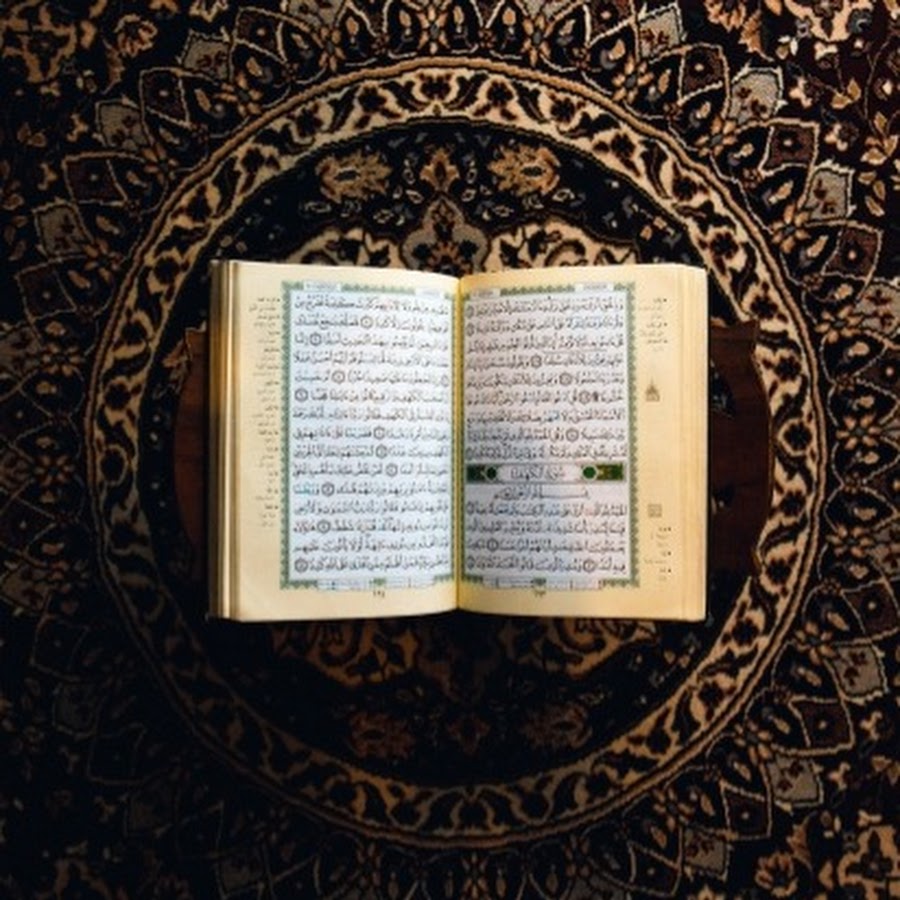
The Quran is the central religious text of Islam, believed to be the literal word of God revealed to the Prophet Muhammad over 23 years. It is written in Arabic but has been translated into many languages to help people around the world understand its message.
The Quran covers guidance on worship, morality, family relations, justice, and personal conduct. It also tells stories of earlier prophets and communities, offering lessons for humanity.
Reading the Quran is a key step for anyone who wants to Islam Free, as it provides direct insight into Islamic teachings.
Prophet Muhammad (Peace Be Upon Him)
Muslims believe that Prophet Muhammad is the final messenger of God. He was born in Makkah in 570 CE and is respected not only for his teachings but also for his character, honesty, and leadership.
His sayings and actions, known as Hadith, help explain how to practice Islam in daily life. His life serves as a model for ethics, patience, and compassion.
Understanding his life is essential when you Islam Free, as it shows how Islamic teachings were practiced in real life.
Values and Ethics in Islam
Islam emphasizes strong moral values, including:
- Honesty and truthfulness
- Respect for parents and elders
- Justice and fairness
- Kindness to neighbors and animals
- Helping the poor and needy
- Avoiding harm and injustice
These values are not limited to religious practice but extend to everyday life, making Islam a complete ethical system.
When people Islam Free, they often notice that Islamic teachings strongly focus on personal responsibility and community welfare.
Misconceptions About Islam
There are many misunderstandings about Islam due to cultural differences or misinformation. However, Islam teaches peace, respect, and justice. Like any major religion, it has diverse interpretations and cultural practices across different regions.
Taking time to Learn About Islam Free from reliable and balanced sources helps clear confusion and promotes better understanding between people of different backgrounds.
Why Learning About Islam Matters
In today’s interconnected world, understanding different beliefs is important for harmony and mutual respect. Learning about Islam helps reduce stereotypes and builds bridges between communities.
Whether for education, dialogue, or personal growth, the opportunity to Learn About Islam Free allows individuals to gain knowledge without barriers and develop a broader understanding of global cultures.
Conclusion
Islam is a faith centered on belief in one God, spiritual discipline, and ethical living. Its teachings guide millions of people in their daily lives and emphasize compassion, justice, and accountability.
By exploring its beliefs, practices, and history, anyone can gain meaningful insight into this major world religion. The opportunity to Learn About Islam Free makes this knowledge accessible to everyone, encouraging curiosity, respect, and understanding across different communities.