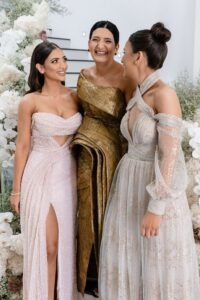
Choosing the right fabric is one of the most important decisions when creating high-end clothing. The material influences how a garment looks, feels, fits and moves. For fashion designers, dressmakers and clothing manufacturers, finding quality luxury couture fabrics Australia is essential for producing distinctive garments that reflect exceptional design and craftsmanship.
Couture fashion is known for attention to detail, carefully selected materials and skilled garment construction. From elegant silk and delicate lace to embroidered tulle, luxurious velvet and premium brocade, every fabric brings different qualities to a designer’s collection.
Australia has a diverse textile market where designers and fashion businesses can explore premium materials for bridalwear, evening dresses, formal clothing and custom-made garments. Whether you are developing a new fashion collection or creating a one-of-a-kind wedding dress, selecting the right fabric helps bring your creative ideas to life.
However, couture fabric selection involves more than choosing an attractive colour or pattern. Designers must consider fibre composition, fabric weight, drape, texture, transparency and suitability for the garment’s construction.
This guide explores different types of couture fabrics, their applications, how to select premium materials and what to consider when buying luxury textiles in Australia.
What Are Luxury Couture Fabrics?
Luxury couture fabrics are premium textiles used to create high-end, custom-made and designer garments.
These materials are selected for their appearance, texture, construction, quality and ability to support detailed garment designs.
Couture fabrics are commonly used in garments that require specialised sewing techniques, precise tailoring and decorative finishing.
Popular luxury couture fabrics include:
- Silk.
- Silk satin.
- Silk chiffon.
- Organza.
- Tulle.
- French lace.
- Embroidered lace.
- Velvet.
- Brocade.
- Jacquard.
- Crepe.
- Premium wool.
- Beaded fabrics.
- Sequinned textiles.
Each material offers different characteristics.
For example, silk chiffon creates a lightweight and flowing appearance, while structured brocade is suitable for garments that require more body and definition.
The term couture is associated with high-end fashion and craftsmanship. However, a fabric described as couture or luxury should still be assessed according to its actual composition, construction and quality.
Why Are Luxury Couture Fabrics Important in Designer Fashion?
Fabric selection has a direct influence on the appearance and construction of a garment.
Even an excellent design may not achieve the intended result if the selected material does not provide the right structure, movement or finish.
Here are some reasons luxury textiles are important in couture fashion.
1. Create Distinctive Designer Garments
Premium fabrics provide designers with a wide range of textures, finishes and decorative possibilities.
Silk, embroidered lace, jacquard and brocade can help create garments with distinctive visual details.
These materials allow designers to develop collections that reflect their creative direction.
2. Improve Garment Drape
Drape refers to how a fabric falls and moves around the body.
It is particularly important when designing evening gowns, wedding dresses and flowing formal garments.
Lightweight silk and chiffon create soft movement, while heavier fabrics provide more structure.
Selecting the correct drape helps achieve the intended silhouette.
3. Support Detailed Craftsmanship
Couture garments often involve detailed construction techniques.
Depending on the design, these may include:
- Hand embroidery.
- Decorative beading.
- Lace appliqué.
- Pleating.
- Layering.
- Structured tailoring.
- Hand finishing.
The fabric must be suitable for these techniques.
Some materials require careful handling because their delicate construction can be damaged by unsuitable needles, stitching or handling.
4. Enhance Comfort and Wearability
A beautiful garment should also feel comfortable.
Natural fibres such as silk, cotton and fine wool offer different comfort characteristics.
Breathability, softness, flexibility and weight should all be considered when selecting materials for garments that may be worn for extended periods.
5. Support High-End Fashion Collections
Fashion designers often require specialised materials to create seasonal collections, bridalwear and custom garments.
Luxury textiles provide access to different colours, finishes and fabric constructions that help designers achieve their intended results.
Popular Types of Luxury Couture Fabrics Available in Australia
Australia’s fabric market offers different materials for designers, dressmakers and clothing manufacturers.
Understanding the characteristics of popular couture textiles can help you select the right option for each garment.
1. Silk Fabric
Silk is one of the most recognised materials in luxury fashion.
It is a natural protein fibre valued for its smooth texture, natural lustre and elegant drape.
Silk can be used to create both structured and flowing garments, depending on its weave and weight.
Popular silk varieties include:
- Silk satin.
- Silk chiffon.
- Silk organza.
- Silk crepe.
- Silk charmeuse.
- Silk georgette.
Silk is commonly used for wedding dresses, evening gowns, blouses, scarves and luxury accessories.
Its natural appearance makes it suitable for garments that require an elegant finish.
However, silk can be delicate, so designers should check the recommended cleaning and handling requirements before using it.
2. French Lace
French lace is popular in bridal fashion and high-end eveningwear.
It is known for intricate patterns, delicate construction and decorative details.
Different lace varieties offer different levels of transparency, texture and flexibility.
Common applications include:
- Wedding dresses.
- Bridal veils.
- Sleeves.
- Bodices.
- Evening gowns.
- Decorative garment panels.
Designers often use French lace as an overlay or combine it with other fabrics to create layered garments.
When selecting lace, consider its pattern, base material, flexibility and suitability for the garment’s construction.
3. Silk Satin
Silk satin combines natural silk fibres with a satin weave.
It creates a smooth surface with a distinctive sheen, making it popular for formal garments.
Silk satin is commonly used for:
- Wedding gowns.
- Evening dresses.
- Formal skirts.
- Luxury blouses.
- Bridal accessories.
- Special occasion garments.
Its elegant appearance makes it suitable for designs that require a polished finish.
Designers should consider fabric weight and structure because different silk satin varieties can produce different silhouettes.
4. Chiffon
Chiffon is a lightweight fabric with a sheer appearance and soft drape.
It can be made from silk, polyester and other fibres.
Its flowing construction makes it particularly useful for garments that require movement and lightweight layers.
Common applications include:
- Evening gowns.
- Bridal overlays.
- Bridesmaid dresses.
- Sleeves.
- Scarves.
- Layered skirts.
Chiffon is often combined with lining materials because of its transparency.
It requires careful cutting and sewing to prevent slipping and distortion during garment construction.
5. Organza
Organza is a lightweight, sheer fabric with a crisp structure.
It is commonly used in garments that require volume without adding excessive weight.
Organza is popular in bridal fashion and couture dressmaking.
Its applications include:
- Wedding dresses.
- Structured sleeves.
- Layered skirts.
- Decorative bows.
- Ruffles.
- Garment overlays.
Silk organza is valued for its natural fibre composition, while synthetic varieties can provide alternative price and care characteristics.
6. Tulle
Tulle is a lightweight net fabric commonly used in bridalwear and decorative garments.
It can create volume and layered effects without making a garment excessively heavy.
Popular uses include:
- Wedding veils.
- Bridal skirts.
- Ball gowns.
- Tutus.
- Decorative sleeves.
- Layered evening dresses.
Tulle is available in different weights, colours and levels of stiffness.
Soft tulle creates flowing layers, while stiffer varieties provide more volume and structure.
7. Velvet
Velvet is a fabric with a dense pile surface that creates a soft texture and rich appearance.
It can be manufactured using silk, cotton, polyester and fibre blends.
Velvet is commonly used in formal fashion and garments designed for cooler weather.
Applications include:
- Evening gowns.
- Formal jackets.
- Tailored suits.
- Luxury dresses.
- Structured skirts.
- Decorative fashion accessories.
The direction of the pile can influence the appearance of velvet, so designers should consider fabric placement when cutting garment pieces.
8. Brocade
Brocade is a decorative woven fabric featuring intricate patterns that are incorporated into its construction.
It often includes raised designs, textured details or metallic threads.
Brocade is particularly useful for garments that require structure and decorative appeal.
Popular applications include:
- Bridal jackets.
- Formal dresses.
- Structured gowns.
- Traditional occasionwear.
- Designer coats.
- Decorative panels.
Its detailed patterns can create a distinctive finish without requiring additional printed designs.
9. Embroidered Fabrics
Embroidered fabrics feature decorative stitching that creates patterns and surface details.
They may include floral designs, geometric patterns, beads, sequins and other decorative elements.
These materials are commonly used in bridalwear, evening gowns and special occasion clothing.
Their applications include:
- Wedding dresses.
- Couture bodices.
- Evening gowns.
- Decorative sleeves.
- Bridal accessories.
- Designer collections.
When choosing embroidered fabrics, consider the weight of the embellishments and whether the base material can support them.
Best Luxury Couture Fabrics for Different Garments
Not every premium textile is suitable for every garment.
The best material depends on the desired silhouette, construction method and overall design.
Wedding Dresses
Wedding dresses often combine multiple fabrics to achieve the desired appearance and structure.
Popular choices include:
- Silk satin.
- French lace.
- Tulle.
- Organza.
- Silk chiffon.
- Embroidered fabrics.
For example, a wedding dress may feature a structured satin base, lace detailing and multiple layers of soft tulle.
The combination allows designers to create depth, texture and volume.
Evening Gowns
Evening gowns often require fabrics that offer elegant movement and attractive finishes.
Silk satin, velvet, chiffon, crepe and embroidered textiles are popular options.
Lightweight fabrics work well for flowing silhouettes, while heavier materials can provide more structure.
Bridal Veils
Bridal veils commonly use tulle, silk tulle and fine net fabrics.
These materials provide lightweight coverage while maintaining a soft and delicate appearance.
The appropriate fabric depends on the veil’s length, volume and decorative details.
Couture Jackets and Suits
Structured garments require fabrics that hold their shape.
Brocade, jacquard, premium wool and selected velvet materials can be suitable options.
Designers should also consider lining, interfacing and construction requirements.
Bridesmaid Dresses
Bridesmaid dresses often use chiffon, satin, crepe and lightweight polyester blends.
These materials are available in different colours and weights, making it easier to coordinate garments with a wedding’s overall design.
How to Choose the Right Luxury Couture Fabric in Australia
Selecting couture fabric requires careful planning.
The right material should match the design, construction requirements and intended use of the garment.
1. Start With the Garment Design
Before purchasing fabric, understand the silhouette and construction of the garment.
A flowing evening gown may require lightweight material, while a structured dress may need a heavier fabric with more body.
Choosing fabric after considering the design helps avoid construction problems.
2. Check Fibre Composition
Always review the material’s fibre composition.
For example, satin describes a weave rather than a specific fibre.
Silk satin and polyester satin may have similar surface appearances but different characteristics.
Check whether the fabric is made from natural fibres, synthetic fibres or a blend.
3. Consider Fabric Weight
Fabric weight influences how a garment hangs and moves.
Lightweight materials such as chiffon and organza are suitable for flowing designs and layered garments.
Heavier materials such as brocade and some velvet varieties can provide structure.
4. Examine Drape and Texture
Drape is particularly important in couture dressmaking.
A fabric may look attractive when folded but behave differently when used in a finished garment.
Request a sample and observe how it falls when held or draped over a dress form.
Also check the surface texture, flexibility and transparency.
5. Consider Colour and Pattern
Colour selection should complement the garment design and intended occasion.
For wedding dresses, designers may choose ivory, champagne, white or other shades depending on the desired appearance.
For eveningwear, darker colours, jewel tones and metallic finishes can create different visual effects.
Always examine samples under natural and indoor lighting.
6. Check Embellishments and Fabric Strength
Embroidered and beaded fabrics require additional consideration.
Heavy embellishments may place stress on delicate base materials.
Check whether the fabric can support the intended garment construction and whether additional lining or reinforcement is required.
7. Understand Care Requirements
Some couture fabrics require specialist cleaning and careful storage.
Silk, velvet and certain embroidered textiles may need professional care.
Always review the manufacturer’s recommendations before selecting a material for a garment intended for frequent use.
Where to Buy Luxury Couture Fabrics in Australia
Designers and dressmakers can explore several types of suppliers when sourcing premium couture textiles.
The best option depends on the required material, quantity, budget and project timeline.
Specialist Fabric Retailers
Specialist fabric stores offer materials for bridalwear, formal clothing, dressmaking and designer collections.
They can be useful when buyers want to examine colours, textures and fabric weights before purchasing.
Online Couture Fabric Stores
Online fabric retailers provide access to different textile collections without requiring customers to visit a physical store.
When purchasing online, review:
- Product photographs.
- Fibre composition.
- Fabric width.
- Weight.
- Colour descriptions.
- Care instructions.
- Sample availability.
- Shipping and return policies.
Request samples when possible, particularly for expensive materials.
Wholesale Fabric Suppliers
Wholesale suppliers are useful for fashion designers, dressmakers and clothing manufacturers who require larger quantities.
They may offer bulk pricing, repeat-order arrangements and access to specialist textiles.
Before placing an order, confirm minimum quantities, available stock and delivery timelines.
Textile Manufacturers and Importers
Manufacturers and importers may provide specialised materials for bridal fashion, formalwear and commercial clothing production.
Businesses should compare material specifications, quality control processes and supply arrangements before choosing a supplier.
Why Fabric Samples Are Important for Couture Projects
Ordering samples is an important step when purchasing luxury couture fabrics.
Product photographs may not accurately represent the fabric’s colour, weight, texture or transparency.
A physical sample allows designers to evaluate the material before committing to a larger purchase.
Consider the following factors:
Colour: Check the shade under natural and artificial lighting.
Texture: Examine the surface to understand its softness, smoothness and structure.
Drape: Observe how the material falls and moves.
Weight: Determine whether the fabric is suitable for the garment’s silhouette.
Transparency: Check whether the material requires additional lining.
Embellishments: Examine stitching, beads, sequins and decorative details.
Quality: Look for uneven weaving, loose threads and visible defects.
For professional fashion production, testing samples can also help maintain consistency across multiple garments.
Luxury Couture Fabric Trends in Australian Fashion
Fashion trends change over time, but several fabric characteristics continue to influence designer collections.
Natural and Textured Materials
Silk, linen, fine wool and other natural textiles remain popular for their distinctive textures and material characteristics.
Designers often use these fabrics to create garments with refined finishes.
Decorative Embroidery
Embroidered textiles featuring floral patterns, beads and detailed stitching are frequently used in bridalwear and formal fashion.
These materials can create decorative effects without relying entirely on additional accessories.
Soft and Flowing Silhouettes
Chiffon, silk georgette and lightweight organza are useful for garments designed around movement and layered construction.
They allow designers to create flowing shapes and soft visual effects.
Structured Couture Designs
Brocade, jacquard and selected velvet fabrics are useful for garments that require shape and definition.
Their textures and construction can contribute to distinctive designer pieces.
Sustainable Textile Choices
Sustainability is also an important consideration for many fashion businesses.
Designers may explore responsibly sourced natural fibres, recycled materials and suppliers that provide greater transparency about manufacturing practices.
However, sustainability should be evaluated through specific information about fibre sourcing, production and environmental impact rather than assumed from a fabric’s appearance or price.
Frequently Asked Questions About Luxury Couture Fabrics Australia
1. What are the best luxury couture fabrics in Australia?
Popular options include silk, French lace, silk satin, chiffon, organza, tulle, velvet, brocade and embroidered fabrics. The best choice depends on the garment design and construction requirements.
2. Where can I buy luxury couture fabrics in Australia?
You can explore specialist fabric retailers, online couture fabric stores, wholesale textile suppliers and fabric manufacturers. Compare product specifications and request samples before purchasing.
3. Which fabrics are best for couture wedding dresses?
Silk satin, French lace, tulle, organza, chiffon and embroidered fabrics are popular choices. Designers often combine different materials to create structure, texture and flowing layers.
4. What is the difference between couture fabric and regular fabric?
Couture fabrics are generally selected for high-end garment construction, distinctive finishes and specialised design requirements. However, quality depends on the actual fibre composition, construction and manufacturing standards.
5. Is silk suitable for couture dresses?
Yes. Silk is widely used in couture fashion because of its smooth texture, natural lustre and drape. Different silk varieties are suitable for flowing gowns, structured garments and decorative details.
6. What is the best fabric for an evening gown?
Silk satin, chiffon, velvet, crepe and embroidered textiles are popular options. The right material depends on the desired silhouette, season and level of structure.
7. Are French lace fabrics suitable for bridalwear?
Yes. French lace is commonly used in wedding dresses, bridal veils, sleeves and decorative panels because of its intricate patterns and delicate appearance.
8. Can I buy luxury couture fabrics in bulk in Australia?
Yes. Many wholesale textile suppliers and manufacturers offer bulk purchasing arrangements for designers and clothing businesses. Minimum order quantities and pricing vary by supplier.
9. How do I choose the right fabric for a couture dress?
Consider the design, fibre composition, weight, drape, texture, transparency and care requirements. Requesting physical samples can help you assess whether the fabric is suitable.
10. Are natural fabrics better for couture fashion?
Natural fibres such as silk, cotton and wool offer distinctive characteristics, but synthetic and blended fabrics can also be suitable for couture garments. The best option depends on the design and required performance.
11. Why should designers request fabric samples?
Samples allow designers to examine the actual colour, texture, weight, drape and quality before ordering larger quantities. This reduces the risk of choosing unsuitable materials.
12. What should I check before choosing a couture fabric supplier?
Review the supplier’s fabric range, fibre specifications, product quality, sample availability, minimum order quantities, pricing and delivery arrangements.
Conclusion
Finding the right luxury couture fabrics Australia requires careful consideration of material quality, fibre composition, drape, texture and garment requirements.
From elegant silk and French lace to delicate chiffon, structured organza, embroidered textiles and luxurious velvet, each material offers different possibilities for designer fashion.
Whether you are creating a custom wedding dress, developing an eveningwear collection or producing high-end garments, the right fabric helps bring your design vision to life.
Before purchasing, examine fabric samples, review product specifications and consider the construction and maintenance requirements of each material. Working with a reliable textile supplier can also make sourcing premium fabrics easier for both individual designers and professional fashion businesses.
By choosing materials that balance appearance, quality and practicality, designers can create distinctive couture garments that reflect their craftsmanship and creative vision.