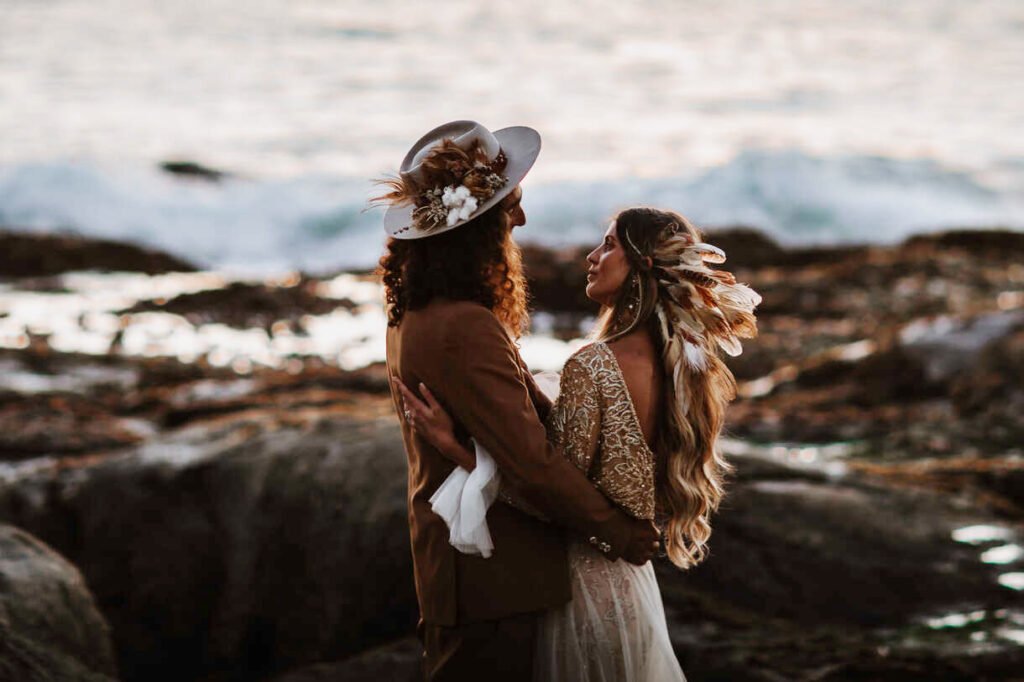
The fabric is often the first thing that catches the eye when you see a beautifully made bridal gown or evening dress. Before you notice the stitching, neckline, sleeves, or embellishments, you notice how the material catches the light, falls around the body, and moves with every step. That is why luxury couture fabrics for bridal and evening wear play such an important role in creating sophisticated garments.
Couture fashion is built around attention to detail. The fabric must not only look beautiful but also work with the shape, construction, and finishing of the garment. A flowing silk can create an effortless silhouette, while structured mikado can give a gown architectural volume. Delicate lace can add romance, whereas velvet can create a rich and dramatic evening look.
For brides, designers, dressmakers, and anyone creating a special-occasion garment, understanding the differences between luxury fabrics can make the selection process much easier. The right textile can enhance the design, improve comfort, and help create a garment that feels genuinely special.
What Are Luxury Couture Fabrics?
Luxury couture fabrics are high-quality textiles selected for their appearance, texture, construction, drape, performance, and suitability for detailed garment making.
The term “couture” is often associated with custom-made and highly crafted fashion. In this setting, fabrics need to meet demanding design requirements because couture garments may include intricate draping, hand finishing, structured bodices, embroidery, pleating, appliqué, or extensive embellishment.
Luxury fabrics can be made from natural fibres, synthetic fibres, or blends. What makes a fabric appropriate for couture is not simply its price. Its quality, construction, consistency, finish, and ability to support the intended design are equally important.
Common choices include:
- Silk
- Silk satin
- Duchesse satin
- Mikado
- Silk crepe
- Chiffon
- Organza
- Tulle
- Lace
- Velvet
- Jacquard
- Brocade
- Embroidered textiles
- Sequined fabrics
- Beaded fabrics
Each fabric has its own characteristics, making some more appropriate for particular silhouettes than others.
Why Fabric Matters in Couture Bridalwear
A couture bridal gown can involve many hours of design, patternmaking, fitting, sewing, and finishing. The fabric needs to support all of that work.
A beautiful material can enhance the overall appearance of the gown, while the wrong material can make even an excellent design difficult to achieve.
Drape
Drape describes how fabric falls and moves.
Silk crepe and chiffon can create soft, fluid movement, while structured satin and mikado can maintain a more defined shape.
Structure
Some wedding gowns require fabric with enough body to support a full skirt, sculpted bodice, dramatic bow, or architectural detail.
Mikado and duchesse satin are examples of fabrics that can provide this type of structure.
Texture
Texture gives a garment depth.
Lace, velvet, jacquard, embroidery, and brocade can create visual interest without relying solely on colour.
Light Reflection
Satin and silk can reflect light across their surfaces, producing an elegant glow.
Embellished fabrics can create even more dramatic effects when crystals, beads, metallic threads, or sequins catch the light.
Comfort
Luxury does not mean uncomfortable.
A bridal gown may be worn for many hours, so softness, weight, breathability, and movement should be considered alongside appearance.
Silk: A Timeless Couture Fabric
Silk has long been associated with luxury fashion because of its softness, natural lustre, and versatility.
However, silk is not one single type of fabric. Different silk constructions can behave very differently.
Silk can be used for:
- Bridal gowns
- Evening dresses
- Slip dresses
- Draped skirts
- Blouses
- Sleeves
- Veils
- Bridal separates
Silk satin can create a smooth and glamorous appearance, while silk crepe offers a softer, more fluid look.
Silk organza can provide lightweight structure and transparency, making it useful for sleeves, overlays, and layered details.
When selecting silk, consider the specific weave, weight, finish, and intended application rather than choosing based only on the fibre name.
Duchesse Satin for Structured Bridal Gowns
Duchesse satin is a substantial satin fabric associated with formal and bridal fashion.
Its relatively firm body makes it suitable for designs that require structure and clean lines.
It can be used for:
- Ball gowns
- A-line wedding dresses
- Full skirts
- Structured bodices
- Dramatic trains
- Large bows
- Sculptural details
The smooth surface creates a polished appearance, while the weight helps the garment maintain its shape.
For brides looking for a classic yet dramatic gown, duchesse satin can provide a sophisticated foundation.
Mikado for Modern Couture Designs
Mikado is another popular choice for structured bridalwear.
It can hold its shape while maintaining a refined surface, making it suitable for contemporary wedding dresses.
Mikado works particularly well for:
- Minimalist gowns
- Ball gowns
- A-line silhouettes
- Mermaid designs
- Structured skirts
- Architectural folds
- Oversized bows
- Modern trains
Its balance of structure and elegance makes it useful for designers who want clean shapes without excessive embellishment.
Lace for Romantic Bridal Fashion
Lace is one of the most recognisable bridal fabrics.
It can be used as a complete gown overlay or as a decorative element.
Designers may place lace on:
- Bodices
- Sleeves
- Necklines
- Backs
- Skirts
- Trains
- Waistlines
- Cuffs
The lace pattern has a major influence on the final look. Fine floral lace can create a delicate appearance, while larger motifs can make a stronger visual statement.
Lace can also be layered over satin, silk, crepe, or tulle to create contrast and depth.
Tulle for Volume and Delicate Layers
Tulle is lightweight, versatile, and commonly used in bridalwear.
It can create volume without adding the visual heaviness associated with some structured fabrics.
Tulle is frequently used for:
- Veils
- Ball-gown skirts
- Overskirts
- Trains
- Sleeves
- Bridal capes
- Decorative overlays
- Layered skirts
Multiple layers of tulle can create different levels of opacity and volume.
It can also be embellished with embroidery, sequins, pearls, or appliqué for a more couture-inspired appearance.
Organza for Lightweight Structure
Organza is a crisp, lightweight fabric that can add shape while remaining visually delicate.
Silk organza is particularly valued for couture applications where designers want transparency combined with structure.
It can be used for:
- Sleeves
- Skirts
- Overlays
- Ruffles
- Bows
- Draped details
- Decorative panels
Because organza can hold a shape while remaining light, it can be useful for creating dramatic details without making the garment excessively heavy.
Chiffon for Flowing Eveningwear
Chiffon is known for its lightweight and fluid qualities.
It is often used for evening dresses where movement is an important part of the design.
Chiffon can work beautifully for:
- Flowing gowns
- Layered skirts
- Draped sleeves
- Scarves
- Capes
- Overlays
- Soft necklines
Its semi-transparent quality can also create elegant layered effects.
When using chiffon, designers need to consider its delicate nature and ensure that the construction methods are suitable for the fabric.
Crepe for Elegant Minimalism
Crepe is an excellent option for designs that focus on clean lines and sophisticated movement.
Silk crepe can create a smooth, fluid silhouette without the high shine associated with some satin fabrics.
It is particularly suitable for:
- Minimalist bridal gowns
- Slip dresses
- Fitted evening gowns
- Draped dresses
- Contemporary wedding outfits
Crepe can also provide an excellent base for subtle tailoring and carefully placed seams.
For brides or clients who prefer understated elegance, crepe can offer a refined alternative to heavily embellished fabrics.
Velvet for Dramatic Evening Dresses
Velvet has a distinctive texture and rich appearance.
Its surface absorbs and reflects light differently depending on the direction of the pile, giving the fabric visual depth.
Velvet can be particularly effective for eveningwear during cooler seasons.
It can be used for:
- Formal gowns
- Cocktail dresses
- Evening skirts
- Capes
- Jackets
- Bodices
Because velvet has a distinctive nap, cutting and construction require careful attention to fabric direction.
Jacquard and Brocade for Statement Designs
Jacquard fabrics feature patterns woven directly into the textile rather than printed onto the surface.
Brocade is a decorative woven fabric that can create a rich and formal appearance.
These fabrics can be useful when the textile itself needs to become a major design feature.
They can work for:
- Statement evening gowns
- Formal jackets
- Structured skirts
- Bridal separates
- Couture-inspired dresses
Floral, geometric, abstract, and traditional motifs can all create different visual effects.
Embroidered and Embellished Couture Fabrics
Sometimes a plain fabric is not enough for the desired design.
Embroidered and embellished fabrics can add intricate detail without requiring every element to be applied individually.
Popular embellishments include:
- Beads
- Sequins
- Pearls
- Crystals
- Metallic threads
- Appliqué
- Hand embroidery
- Decorative stones
These materials can create a striking effect under evening lighting.
However, embellishment also adds weight. Designers need to consider how the additional weight will affect the garment’s structure, seams, support, and comfort.
Choosing Luxury Couture Fabrics for Bridal Dresses
Selecting a bridal fabric should begin with the desired design.
Ask what the gown needs to achieve.
Does it need to hold a large skirt?
Should it flow closely around the body?
Does the design require transparency?
Will lace be layered over the base fabric?
Will the dress include heavy embellishment?
These questions can help narrow down the choices.
For Structured Gowns
Consider mikado, duchesse satin, and other fabrics with sufficient body.
For Flowing Gowns
Silk crepe, chiffon, and certain lightweight silks can provide softer movement.
For Romantic Designs
Lace, tulle, and embroidered fabrics can add delicate detail.
For Minimalist Gowns
Silk satin, crepe, and carefully selected matte fabrics can create a clean appearance.
Choosing Couture Fabrics for Evening Dresses
Eveningwear allows more freedom with colour, texture, shine, and embellishment.
The fabric should match the occasion and desired mood.
For a sophisticated black-tie gown, velvet or silk satin can create a luxurious appearance.
For a flowing evening dress, chiffon or silk crepe can provide movement.
For a statement gown, jacquard, brocade, sequins, or embellished lace can create a stronger visual impact.
The fabric should always support the silhouette instead of overpowering it.
How to Match Fabric With the Dress Silhouette
The relationship between fabric and silhouette is extremely important.
A structured fabric can make a soft silhouette appear more architectural.
A fluid fabric can soften a fitted design.
For example, a ball gown with a full skirt may benefit from a structured textile that can support its volume. A bias-cut gown may work better with a fabric that drapes naturally around the body.
Mermaid gowns often require a balance between structure, flexibility, and surface finish.
A professional dressmaker can assess the pattern and recommend fabrics that will perform well during construction.
Luxury Fabrics and the Australian Climate
When selecting luxury couture fabrics for bridal and evening fashion in Australia, climate should be part of the discussion.
Australia has diverse weather conditions, from warm coastal summers to cooler southern winters.
For warm-weather events, lightweight and breathable fabrics can improve comfort.
Silk, lightweight crepe, chiffon, and organza may work well depending on the design.
For cooler events, velvet, heavier satin, brocade, and layered fabrics can provide a more substantial feel.
The venue also matters. An air-conditioned ballroom may feel very different from an outdoor garden ceremony.
How to Buy Luxury Couture Fabrics
Buying expensive fabric requires more consideration than simply selecting a colour online.
Whenever possible, order a sample before purchasing the full amount.
Examine the fabric under different lighting conditions and look at how it moves.
Check:
- Fibre composition
- Fabric width
- Weight
- Drape
- Colour
- Sheen
- Transparency
- Stretch
- Pattern direction
- Surface texture
- Care requirements
- Available quantity
For bridalwear, also check whether enough fabric is available to complete the entire garment.
This is particularly important when working with discontinued, limited-edition, or patterned fabrics.
Why Fabric Samples Matter
Photographs can make fabrics look very different from reality.
A satin may appear highly reflective in a photograph but look more subtle in person.
A lace pattern may seem small online but appear much larger when placed against the body.
A fabric sample allows you to examine the colour, texture, weight, transparency, and movement before making a larger investment.
For couture projects, sampling can also help the dressmaker test construction techniques.
Caring for Couture Fabrics
Luxury fabrics require appropriate care.
Always follow the manufacturer’s care instructions.
Some delicate materials may require professional cleaning rather than home washing.
After wearing a bridal gown or evening dress, allow it to be aired appropriately before storage.
Keep garments away from excessive humidity, direct sunlight, and conditions that may damage delicate fibres or embellishments.
Heavy gowns should also be stored in a way that does not place unnecessary stress on straps, seams, or decorative details.
Proper care can help preserve the appearance of a couture garment for years.
Sustainable Considerations When Choosing Luxury Fabrics
Luxury fashion and sustainability can overlap when garments are designed for long-term use.
A well-made bridal or evening garment may be altered, preserved, passed down, or reused for another occasion.
When choosing fabrics, buyers can also explore:
- Deadstock textiles
- Recycled fibres
- Responsible sourcing
- Natural fibres
- Made-to-order production
- Local manufacturing
- Reusable garment designs
- Quality fabrics designed for longevity
However, “luxury” does not automatically mean sustainable.
Consider the full lifecycle of the fabric, including production, transportation, garment lifespan, maintenance, and eventual disposal.
Luxury Couture Fabrics for Bridal and Evening: Final Thoughts
The fabric is one of the most important decisions in creating a beautiful bridal gown or evening dress.
Luxury couture fabrics for bridal and evening garments offer designers a wide range of possibilities, from the fluid elegance of silk and chiffon to the structured beauty of mikado and duchesse satin.
Lace can create romance, tulle can add volume, organza can introduce lightweight structure, velvet can bring richness, and embroidered or embellished textiles can transform a simple silhouette into a statement piece.
The right choice depends on more than appearance. Consider the dress silhouette, event location, climate, comfort, construction, colour, movement, and maintenance requirements.
Most importantly, request fabric samples and examine them in person whenever possible. A fabric should look beautiful, feel appropriate, and perform well throughout the construction process.
With careful selection and skilled dressmaking, the right couture fabric can become the foundation of a bridal or evening garment that feels elegant, comfortable, and truly distinctive.
Frequently Asked Questions
What are luxury couture fabrics?
Luxury couture fabrics are high-quality textiles selected for their appearance, construction, drape, texture, durability, and suitability for detailed garment making. They can include silk, satin, lace, mikado, velvet, chiffon, organza, jacquard, and embellished fabrics.
Which fabric is best for a couture wedding dress?
The best fabric depends on the gown’s design. Mikado and duchesse satin can suit structured gowns, while silk crepe, chiffon, and lightweight silk can work well for flowing silhouettes.
Is silk suitable for bridal gowns?
Yes. Silk can be an excellent bridal fabric because of its softness, natural lustre, and variety of constructions. Different types of silk can provide different levels of drape, structure, and shine.
What is the difference between satin and duchesse satin?
Satin describes a type of fabric construction that creates a smooth, shiny surface. Duchesse satin is a heavier, more structured type of satin often used for formalwear and bridal gowns.
Is mikado a good fabric for wedding dresses?
Mikado can be an excellent option for structured wedding dresses. Its body allows it to hold defined shapes while maintaining a polished appearance.
What fabric is best for a flowing evening gown?
Chiffon, silk crepe, and some lightweight silk fabrics can create soft and fluid movement. The ideal option depends on the specific silhouette and desired finish.
Is velvet suitable for evening dresses?
Yes. Velvet can create a rich and dramatic appearance and is particularly suitable for formal eveningwear and cooler seasons.
Can lace be used for an entire bridal gown?
Yes. Lace can be used as a full gown overlay or combined with another base fabric. It can also be applied selectively to sleeves, bodices, trains, necklines, and other areas.
How do I choose the right couture fabric?
Start with the dress design. Consider the silhouette, desired drape, structure, texture, colour, climate, venue, comfort, embellishment, and care requirements. Fabric samples can help you make a more informed decision.
Should I order fabric samples before buying?
Yes. Samples allow you to examine the fabric’s actual colour, texture, weight, transparency, sheen, and drape. This is especially important when purchasing expensive fabric for a bridal or couture project.
Are luxury couture fabrics suitable for Australian weddings?
Yes. Many luxury fabrics can be used for Australian weddings, but the climate and venue should be considered. Lightweight materials may be more comfortable in warm weather, while heavier fabrics can suit cooler conditions.
How should couture fabrics be stored?
Storage depends on the specific textile. In general, keep finished garments clean, dry, protected from direct sunlight, and stored according to the manufacturer’s recommendations. Delicate and heavily embellished garments may require specialist preservation.
Are luxury fabrics always expensive?
Luxury fabrics often cost more than standard textiles because of their fibre quality, construction, finishing, or limited availability. However, prices vary widely, and a higher price does not automatically mean a fabric is the best choice for a particular design.