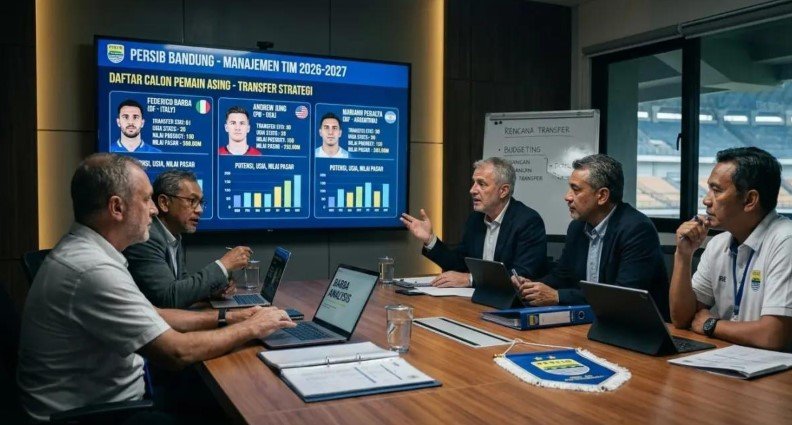
Managing live bidding during a football tournament auction requires preparation, quick thinking, and the ability to make informed decisions under pressure. Team owners must evaluate players, monitor competing bids, manage their budgets, and build a balanced squad while the auction moves forward. Every decision can influence the team’s strength and its ability to compete throughout the tournament.
An effective auction room football strategy goes beyond bidding aggressively for popular players. It involves understanding player value, recognizing suitable opportunities, and knowing when to continue bidding or withdraw. Owners who maintain a clear plan can respond to changing auction conditions without losing sight of their team-building goals.
Whether you are managing a local football tournament auction or organizing a competitive player-selection event, the following strategies can help you handle live bidding efficiently and make better decisions throughout the process.
1. Establish Clear Bidding Rules Before the Auction
Successful live bidding begins with a thorough understanding of the auction format. Before the event starts, review the bidding increments, player selection procedure, available budget, squad size, and position requirements.
Clarify how the auctioneer announces players, how bids are recognized, and when a player is officially awarded to a team. If the auction uses digital bidding software, ensure that all participants understand how to submit bids and confirm selections.
Clear rules reduce confusion and help prevent disputes when several team owners compete for the same player. Organizers should also communicate the procedure for handling technical issues, incorrect bids, and unsold players.
When everyone understands the process, the auction can move forward smoothly, allowing owners to focus on strategy rather than administrative problems.
2. Set a Maximum Bid for Every Priority Player
One of the most effective live football auction tips is to establish a spending limit before bidding begins. Without predetermined limits, team owners can become emotionally invested in particular players and spend more than their squad plans allow.
Prepare a shortlist of priority players and estimate the maximum amount you are willing to pay for each one. Consider their playing ability, consistency, positional importance, and the availability of suitable alternatives.
Evaluate Value Instead of Popularity
A well-known player may attract considerable attention, but popularity does not automatically justify a higher price. Compare each player’s expected contribution with the cost of acquiring them.
For example, if two midfielders offer similar passing ability and tactical flexibility, the less expensive option may provide better overall value. The money saved can then strengthen another position.
During live bidding, follow your predetermined limits. If the price exceeds your valuation, withdraw and consider the next player on your shortlist.
3. Track Your Budget in Real Time
Real-time budget management is essential when several players are being auctioned in quick succession. A team owner must know exactly how much money remains and whether the available funds can cover the outstanding squad requirements.
Maintain a live record of successful bids, total expenditure, remaining funds, and unfilled positions. Update the figures immediately after every purchase.
Keep Enough Money for Essential Positions
Avoid spending most of your budget early in the auction unless your strategy specifically supports that decision. You may still need a goalkeeper, dependable defenders, creative midfielders, or reliable forwards.
Reserve sufficient funds for the positions that remain essential to your squad. Also account for any minimum spending, roster, or player-category requirements established by the tournament organizers.
A simple budget tracker helps you compare upcoming opportunities against your remaining resources. It also prevents accidental overspending and makes it easier to adjust your strategy as the auction develops.
4. Read the Auction Room and Anticipate Competitors
Live bidding involves understanding the behavior of other team owners as well as evaluating players. Observing competitors can reveal which positions they need, which players they prefer, and how aggressively they are willing to spend.
Monitor the players each team has already acquired. If a competitor has invested heavily in forwards, their remaining budget may be needed to fill defensive or midfield positions.
These observations can help you anticipate potential bidding battles and identify players who may attract less competition.
However, avoid making assumptions based on a single bid. Competitors may change their plans as new players become available. Use observed bidding patterns as supporting information rather than treating them as guaranteed predictions.
5. Make Fast Decisions Without Sacrificing Accuracy
A football tournament auction often moves quickly, leaving limited time to evaluate each player. Team owners need a simple decision-making framework that allows them to act confidently without overlooking important details.
Before bidding, consider three questions:
- Does this player fill an important position in my squad?
- Is the current price reasonable for the player’s expected contribution?
- Can I still meet my remaining squad requirements after purchasing this player?
If the answers support the purchase, proceed within your established budget. If the player offers limited value or creates a significant financial imbalance, allow another team to acquire them.
Preparation makes quick decisions easier. A well-organized player shortlist, clear valuations, and predefined spending limits reduce hesitation and help you stay focused throughout the live auction.
6. Adapt Your Strategy as the Auction Progresses
An auction rarely follows the exact plan that owners prepare in advance. Your preferred player may become too expensive, a rival may acquire an important target, or an unexpected opportunity may emerge.
Successful live bidding requires flexibility without abandoning the overall team-building strategy.
Maintain Alternative Player Options
For every priority position, identify at least two or three suitable alternatives where possible. If your preferred defender attracts excessive bids, move to another candidate with the necessary defensive qualities.
Review your squad after every few purchases. Check positional coverage, remaining budget, player versatility, and the number of selections still required.
This regular assessment allows you to make adjustments before the auction reaches its final stages. It also helps prevent rushed decisions when only a limited number of players remain available.
7. Use Technology to Improve Live Auction Management
Digital tools can simplify player tracking and improve communication during a football auction. Depending on the event’s setup, organizers and team owners may use auction software, shared spreadsheets, or a centralized bidding dashboard.
Useful features include live bid updates, automatic budget calculations, player availability lists, and records of completed purchases.
For organizers, a reliable system can improve transparency by displaying current bids and confirming successful selections. For team owners, accurate information makes it easier to monitor competitors and evaluate remaining opportunities.
Before the auction begins, test the system, verify participant access, and establish a backup procedure for technical interruptions. Technology should support the auction process rather than introduce unnecessary complexity.
8. Stay Calm and Avoid Emotional Bidding
Competitive bidding can create pressure, particularly when several teams are pursuing the same player. Owners may feel tempted to raise their offers simply to prevent a rival from winning.
This reaction can damage the team’s overall budget and leave important positions unfilled.
Maintain discipline by focusing on the value each player brings to your squad. Do not treat every bidding contest as a competition that must be won. Sometimes, allowing a player to go to another team is the smartest financial decision.
Assigning clear responsibilities can also help. If multiple people manage a team, agree on who makes the final bidding decision and how recommendations will be communicated. A consistent decision-making process reduces confusion and prevents conflicting instructions during crucial moments.
9. Review the Final Squad Before Closing the Auction
As the auction approaches its conclusion, shift your attention from individual opportunities to the complete squad. Review all successful purchases and identify any remaining weaknesses.
Confirm that the team meets the tournament’s roster requirements and has adequate coverage across essential positions. Consider whether the selected players complement one another and whether the squad offers enough tactical flexibility.
Check the final budget balance and verify all recorded bids. If the tournament rules permit additional selections or a designated unsold-player round, use the remaining opportunities to address genuine squad gaps.
A final review ensures that your decisions throughout the live bidding process contribute to a coherent team rather than a collection of unrelated individual selections.
Conclusion
Managing live bidding during a football tournament auction requires strategic preparation, disciplined spending, careful observation, and timely decisions. Team owners who establish clear bidding limits, monitor their budgets, evaluate competitors, and maintain alternative player options can navigate the auction with greater confidence.
An effective auction room football approach combines real-time awareness with a consistent long-term plan. Rather than chasing every popular player, focus on acquiring the right talent at reasonable prices while maintaining balance across the squad.
With reliable tracking tools, clear communication, and a willingness to adapt, team owners can make better use of their budgets and build squads suited to their tournament objectives. The ultimate goal is not simply to win individual bidding contests, but to create a competitive, well-balanced football team.