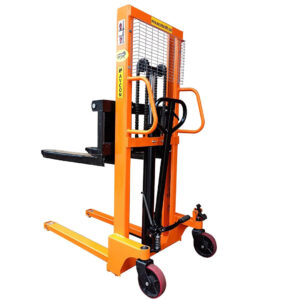
Manual Stacker: A Smart Material Handling Solution for Modern Warehouses
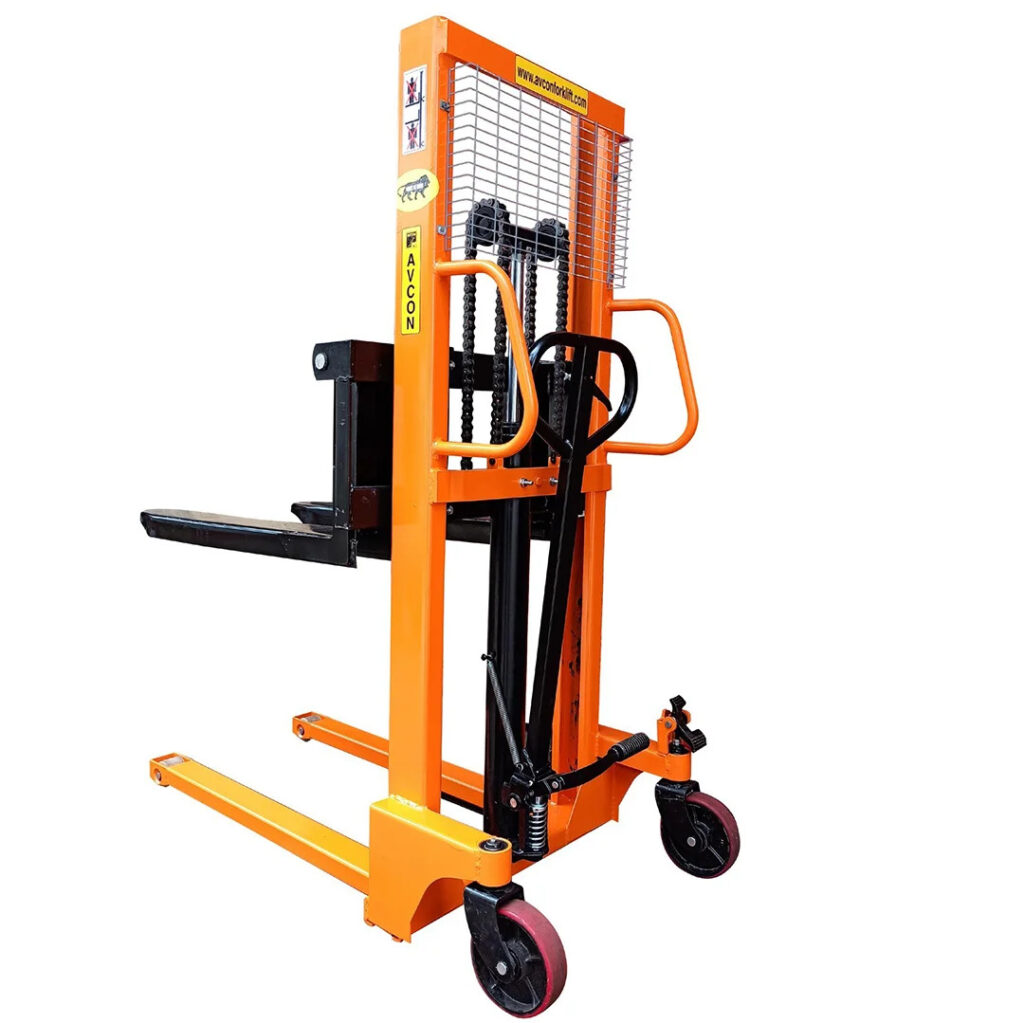
A manual stacker is a practical and cost-effective lifting device designed to lift, transport, and stack materials with ease.
In today’s industrial and warehouse environments, material handling equipment plays a major role in improving efficiency and reducing manual effort. Businesses involved in manufacturing, logistics, warehousing, retail, and distribution continuously look for equipment that helps optimize operations while maintaining workplace safety. One such essential material handling solution is the manual stacker.
A manual stacker is a practical and cost-effective lifting device designed to lift, transport, and stack materials with ease. It helps businesses handle heavy loads efficiently without requiring complex machinery or expensive automation systems.
What is a Manual Stacker?
A manual stacker is a manually operated material handling machine used for lifting and moving pallets or goods within warehouses and industrial facilities. It combines the functionality of a pallet truck and a lifting system, allowing operators to raise materials to required heights for storage or transportation purposes.
Manual stackers are widely used for loading, unloading, stacking pallets, arranging inventory, and transporting materials in confined spaces.
How Does a Manual Stacker Work?
Manual stackers operate through a hydraulic lifting mechanism. The operator pumps the handle or uses a foot-operated hydraulic system to lift the load. Once elevated, the equipment can move the load to a desired location and safely place it on racks or storage areas.
The design of manual stackers ensures smooth operation and controlled handling, making them suitable for both small and large industrial applications.
Key Features of Manual Stackers
Modern manual stackers are designed with several advanced features that improve operational efficiency and user convenience:
- Strong and durable steel construction
- Hydraulic lifting system
- Easy maneuverability
- Adjustable fork width
- Compact design
- Smooth wheel movement
- Safety braking systems
- Low maintenance requirements
- High load carrying capacity
These features make manual stackers reliable equipment for daily warehouse and industrial tasks.
Benefits of Using Manual Stackers
Improved Productivity
Manual stackers help workers transport and lift materials quickly, reducing the time required for manual handling activities.
Cost-Effective Solution
Compared to fully electric equipment, manual stackers are more affordable while still offering excellent performance for material handling operations.
Space Saving Design
Their compact design makes manual stackers suitable for narrow aisles and smaller warehouse spaces.
Enhanced Workplace Safety
Using manual stackers minimizes physical strain on workers and reduces the risk of workplace injuries associated with heavy lifting.
Low Maintenance
Since manual stackers have fewer electrical components, maintenance costs are generally lower compared to automated equipment.
Versatile Applications
Manual stackers can be used across various industries for different handling requirements.
Applications of Manual Stackers
Manual stackers are commonly used in several industries, including:
Warehouses
For pallet movement and inventory stacking.
Manufacturing Units
For handling raw materials and finished products.
Retail Stores
For organizing stock and managing storage areas.
Logistics and Distribution Centers
For loading and unloading goods efficiently.
Pharmaceutical Industry
For transporting packaged products safely.
Food Processing Industry
For handling storage and packaging materials.
Factors to Consider Before Choosing a Manual Stacker
Selecting the right manual stacker depends on operational requirements. Some important factors include:
Load Capacity: Determine the weight of materials to be handled.
Lifting Height: Choose a stacker that can reach required storage heights.
Fork Dimensions: Ensure compatibility with pallet sizes.
Wheel Quality: High-quality wheels provide smoother movement.
Build Quality: Durable materials ensure longer equipment life.
Operating Environment: Consider floor conditions and available workspace.
Why Industries Prefer Manual Stackers
Many businesses continue to use manual stackers because they provide an effective balance between performance and cost. Small and medium-sized warehouses particularly benefit from manual stackers because they require minimal investment while significantly improving operational efficiency.
As industries continue to focus on productivity and worker safety, manual stackers remain a preferred choice for material handling operations.
Conclusion
A manual stacker is an essential material handling solution that helps businesses improve efficiency, reduce labor effort, and ensure safe material transportation. Its practical design, affordability, and versatility make it an ideal choice for warehouses, manufacturing facilities, logistics centers, and many other industries.
If you are looking for a dependable and efficient material handling solution, a manual stacker can help streamline your operations and support long-term productivity growth.