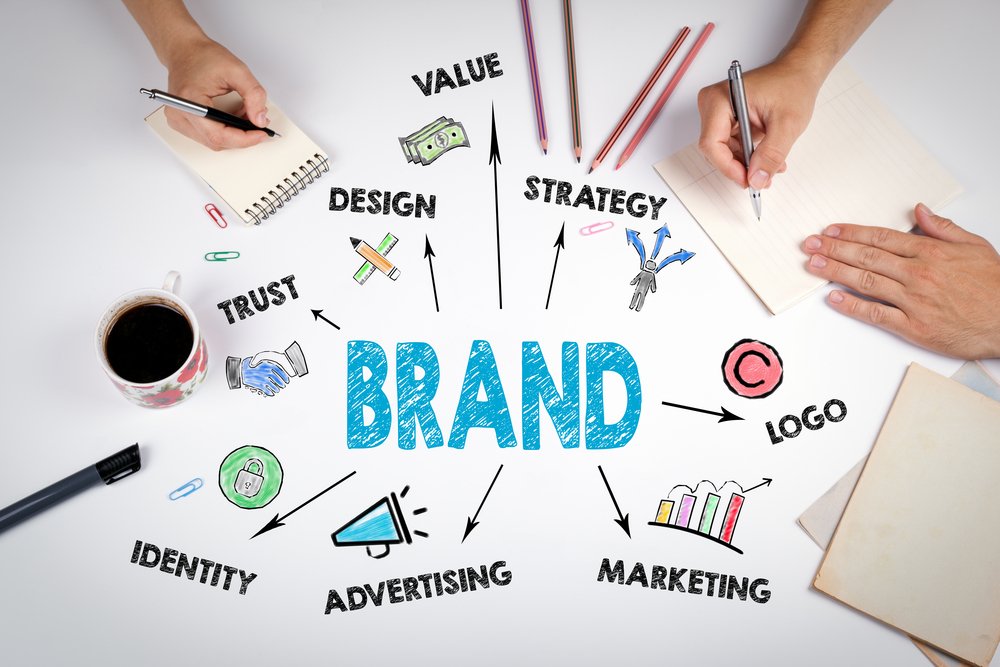
In today’s competitive market, branding is no longer simply about creating an attractive logo, choosing the right colors, or developing memorable advertising. Modern businesses need a clear reason for existing, a recognizable point of view, and a brand identity that feels authentic to the people they want to reach. This is where purpose-driven branding has become increasingly important.
Matthew Delmore approaches branding from a strategy-first perspective, helping founders, entrepreneurs, coaches, and growing businesses build brands that are specific, credible, and connected to something genuine. His work focuses on creating brands that do more than look polished – they need to work in the real world and support meaningful business growth.
What Is Purpose-Driven Branding?
Purpose-driven branding is about defining why a business exists beyond simply making sales. It connects a company’s values, audience, positioning, communication, and business goals into one consistent brand experience.
A strong purpose-driven brand can help a company:
- Build stronger customer connections
- Communicate its values more clearly
- Stand apart from similar competitors
- Create consistent messaging across platforms
- Develop greater brand recognition
- Support long-term customer loyalty
Purpose should not be treated as a marketing slogan. It needs to influence how a business makes decisions, communicates with customers, and presents its value in the marketplace. Industry research similarly emphasizes that successful purpose-driven branding must extend beyond communications and become part of the wider organization.
A Strategy-First Approach to Modern Branding
One of the most important ideas behind a modern branding strategy is that visual identity should follow strategy rather than replace it.
A beautiful website or logo can attract attention, but it cannot solve unclear positioning. If customers do not understand what a business offers, who it serves, or why it deserves their trust, visual design alone will have limited impact.
Matthew Delmore positions strategy as the foundation of brand development. His approach emphasizes building a brand around what is genuinely true about the business before moving into identity and execution.
Strategy Before Identity
A thoughtful brand-building process can begin with questions such as:
- What does the business genuinely stand for?
- Who is the ideal customer?
- What problem does the brand solve?
- What makes the business different?
- What should customers remember after interacting with it?
- Does the brand promise match the actual customer experience?
Answering these questions gives businesses a stronger foundation for their messaging, visual identity, content strategy, and marketing efforts.
Why Authenticity Matters More Than Ever
Consumers have access to more information than ever before. They can compare businesses, read reviews, explore social media, and research a company’s reputation before making a decision. As a result, brands that make claims without supporting them through real actions can quickly lose credibility.
Purpose-driven branding works best when a company’s words and actions match.
A brand may say that it values customers, innovation, quality, sustainability, or community. However, those values become meaningful only when customers can see them reflected in products, services, communication, and everyday interactions.
Modern branding therefore requires consistency. The purpose should influence the way a business behaves rather than appearing only in a marketing campaign.
Turning Brand Purpose Into Business Value
Purpose does not mean ignoring commercial goals. Instead, a clear purpose can help businesses communicate their value more effectively.
When a company understands its purpose, it becomes easier to create a consistent story across:
- Website content
- Social media
- Advertising
- Customer experience
- Sales presentations
- Brand messaging
- Visual identity
- Partnerships and collaborations
This consistency can make a business easier to recognize and understand.
Research and industry perspectives on purpose-driven branding frequently point to the connection between purpose, trust, differentiation, and stronger relationships with audiences.
From Branding Concept to Real-World Execution
A major difference between strategic branding and surface-level branding is execution.
A brand strategy should eventually influence what a company actually does. That means turning ideas into practical decisions and creating a system that employees, partners, and customers can understand.
For entrepreneurs and growing businesses, this can be especially valuable. As a company expands, inconsistent messaging can make the brand feel fragmented. A clear strategic foundation helps maintain direction while the business grows.
The portfolio presented by Matthew Delmore demonstrates this practical focus. His featured work includes the JUBI brand rollout, which reached 229 MAPCO stores, as well as the BUTTAFLY expansion involving multi-brand retail strategy and portfolio alignment.
Branding That Supports Growth
Effective branding should not exist separately from business strategy. It should help answer important growth questions:
- Which audience should the business prioritize?
- What market position should it own?
- What message should lead the customer journey?
- How can the brand remain recognizable as it expands?
- Which opportunities fit the company’s identity and purpose?
This makes branding a business tool rather than simply a creative exercise.
The Role of a Modern Brand Strategist
Today’s brand strategist needs to understand more than design and marketing. They need to recognize how positioning, customer expectations, business operations, content, and growth work together.
That broader perspective is particularly relevant for founders who are building personal brands, launching new businesses, or repositioning established companies.
A modern brand strategist can help businesses move from uncertainty to clarity by identifying what is distinctive, meaningful, and commercially relevant about the organization.
Rather than chasing every new marketing trend, the focus becomes building a recognizable foundation that can adapt as the market changes.
How Businesses Can Build a Purpose-Driven Brand
Businesses looking to strengthen their brand strategy can start with a few practical steps.
1. Define the Core Purpose
Identify the reason the business exists beyond making money. The answer should be specific enough to influence real decisions.
2. Understand the Audience
Research the people you want to serve. Understand their needs, frustrations, expectations, and reasons for choosing one brand over another.
3. Clarify the Positioning
Determine what makes the business meaningfully different. Strong positioning gives customers a clear reason to remember and choose the brand.
4. Align Messaging and Identity
Your website, content, visuals, social media, and sales materials should communicate the same central idea.
5. Deliver on the Promise
The customer experience must support the claims made in your marketing. This is where authenticity becomes measurable.
6. Keep Improving
A brand should evolve as the company, customers, and market develop. Strategy provides direction while allowing the brand to remain relevant.
Why Purpose-Driven Branding Is the Future
The modern marketplace is crowded with businesses competing for attention. Simply being visible is not enough. Brands need to be meaningful, recognizable, and trustworthy.
Purpose-driven branding offers a way to build that connection by bringing strategy, identity, and business direction together. It helps companies move beyond short-term campaigns and create a brand people can understand and remember.
The approach associated with Matthew Delmore reflects this modern philosophy – strategy first, identity second, and execution grounded in what is genuinely true about the brand. His positioning as a brand strategist, fractional CMO, and strategic partner highlights the broader role branding can play in business growth.
For founders and businesses ready to build with greater clarity, the key action is simple: explore what makes your brand genuinely different, define the purpose behind it, and turn that purpose into a strategy customers can experience.
Conclusion
Purpose-driven branding is not about making a business appear meaningful. It is about discovering what is genuinely meaningful about the business and building the brand around it.
A strong modern brand combines clear strategy, authentic positioning, consistent communication, and real-world execution. When these elements work together, branding becomes more than an aesthetic exercise – it becomes a foundation for trust, recognition, differentiation, and sustainable growth.
For businesses looking to create a brand that feels authentic while remaining commercially focused, a purpose-led and strategy-first approach can provide the clarity needed to move forward with confidence.