Operating heavy machinery like a Manitowoc crane demands more than routine checklists—it requires foresight, especially when seasons shift. Whether you’re battling sub-zero temperatures or scorching summer heat, your crane’s performance hinges on how well you adapt your maintenance strategy. The difference between a minor hiccup and a major breakdown often lies in proactive seasonal care. This is where using quality Manitowoc parts and partnering with a trusted crane parts supplier becomes essential.
Seasonal changes introduce unique stressors that affect every component of your crane—from hydraulics to electrical systems. Ignoring these shifts can lead to cumulative damage that surfaces at the worst possible time. By understanding how winter and summer uniquely impact your equipment, you can implement targeted maintenance routines that extend service life and reduce costly downtime.
Winter Woes: Protecting Your Crane from the Cold
Cold weather doesn’t just make mornings harder—it makes every mechanical system work harder too. Hydraulic oil thickens in low temperatures, reducing flow and increasing pressure on pumps during startup. Without proper warm-up procedures, this can cause premature wear or even seal failure. Structural steel also becomes more brittle, raising the risk of cracks under load.
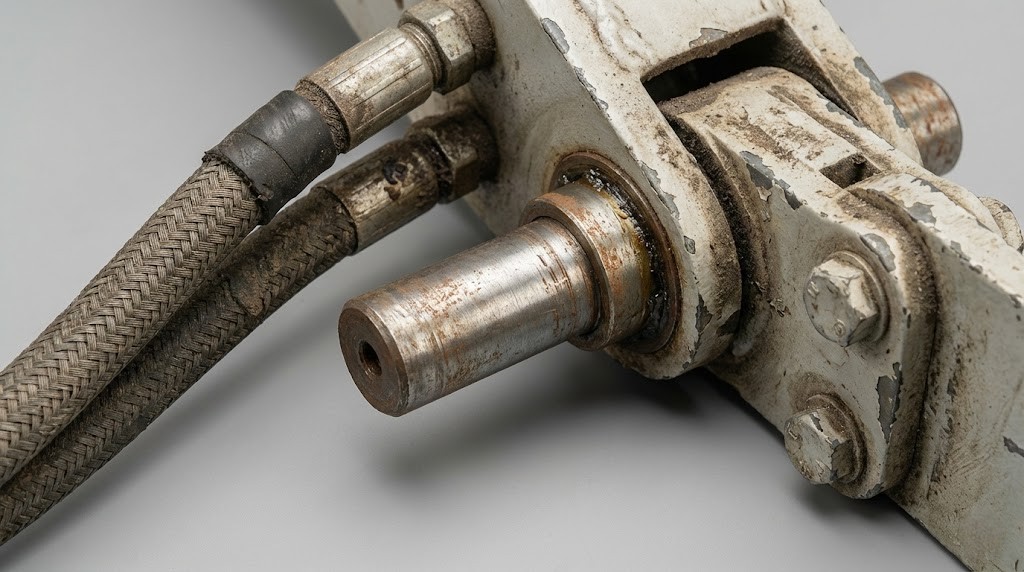
To combat this, inspect all seals, hoses, and hydraulic lines before the first freeze. Replace any components showing signs of stiffness or micro-cracks. Switch to winter-grade lubricants that maintain viscosity in cold conditions—this ensures smooth operation of swing bearings, boom pins, and other critical joints. Electrical systems also need attention: clean battery terminals, verify grounding integrity, and ensure all enclosures are sealed against moisture that can freeze and expand overnight.
Using quality Manitowoc parts during these inspections isn’t optional—it’s strategic. OEM-grade components are engineered to withstand thermal contraction and maintain tolerances even in extreme cold, giving you reliability when it matters most.
Summer Challenges: Managing Heat-Induced Wear
While winter slows things down, summer speeds up degradation. High ambient temperatures thin hydraulic fluid, compromising its ability to lubricate and cool internal components. This leads to increased internal leakage, reduced efficiency, and accelerated wear on pumps and valves. Radiators and oil coolers become frontline defenses, yet they’re often overlooked until overheating occurs.
Preventive summer maintenance starts with cooling system hygiene. Clean radiator fins, remove debris from air intakes, and verify fan operation. Monitor hydraulic oil for discoloration or burnt odors—both signal thermal breakdown. Additionally, inspect wiring insulation in control cabinets; prolonged heat exposure makes insulation brittle, increasing the risk of short circuits during humidity spikes.
Here again, sourcing replacements from a reputable crane parts supplier ensures you’re not just fixing problems but preventing them. Genuine Manitowoc parts are tested under real-world thermal stress, offering consistent performance even during prolonged heat waves.
Structural Integrity Across Seasons
The boom, turntable, and structural welds endure constant thermal cycling—expanding in summer, contracting in winter. Over time, this contributes to metal fatigue. A focused inspection during seasonal transitions can catch hairline cracks or worn bushings before they escalate.
Don’t rely on visual checks alone. Use torque wrenches to verify pin tightness and listen for unusual noises during slow-speed operation. These subtle cues often reveal issues long before catastrophic failure. When replacements are needed, insist on quality Manitowoc parts—they’re manufactured to precise metallurgical standards that resist fatigue better than generic alternatives.
Storage Strategies for Idle Periods
Even when not in use, your crane faces seasonal threats. In winter storage, condensation inside gearboxes or hydraulic tanks can cause internal rust. Use desiccant breathers and consider running the engine periodically to circulate oil and displace moisture. In summer, parked cranes can become ovens—electronics overheat, and rubber seals degrade faster under direct sun.
Store your crane in shaded, ventilated areas when possible. Cover sensitive components, but avoid trapping moisture. Before reactivation, perform a full systems check—fluid levels, electrical continuity, and mechanical linkages. Partnering with a knowledgeable crane parts supplier ensures you have access to storage-specific accessories like vapor-corrosion inhibitors or UV-resistant covers.
Why Part Quality Is Non-Negotiable
Seasonal extremes magnify the weaknesses of subpar components. Inferior seals may leak under cold-induced contraction. Cheap wiring harnesses can fail when insulation hardens in heat. Only quality Manitowoc parts guarantee consistent performance across temperature ranges because they’re built to OEM specifications with verified materials and tolerances.
A reliable crane parts supplier does more than ship replacements—they offer technical guidance tailored to your operating environment. They understand how a seal behaves at -20°F versus 110°F and can recommend the right part for your climate.
Conclusion: Seasonal Maintenance as Smart Investment
Seasonal maintenance isn’t about adding tasks—it’s about timing them right. Align inspections with calendar transitions: prepare for winter in late fall, assess cold damage in spring, optimize cooling in early summer, and address heat wear before autumn. This rhythm keeps your crane running smoothly year-round.
By combining disciplined seasonal habits with quality Manitowoc parts and support from a trusted crane parts supplier, you protect your uptime, your budget, and your team’s safety. In the long run, smarter maintenance pays exponential dividends.