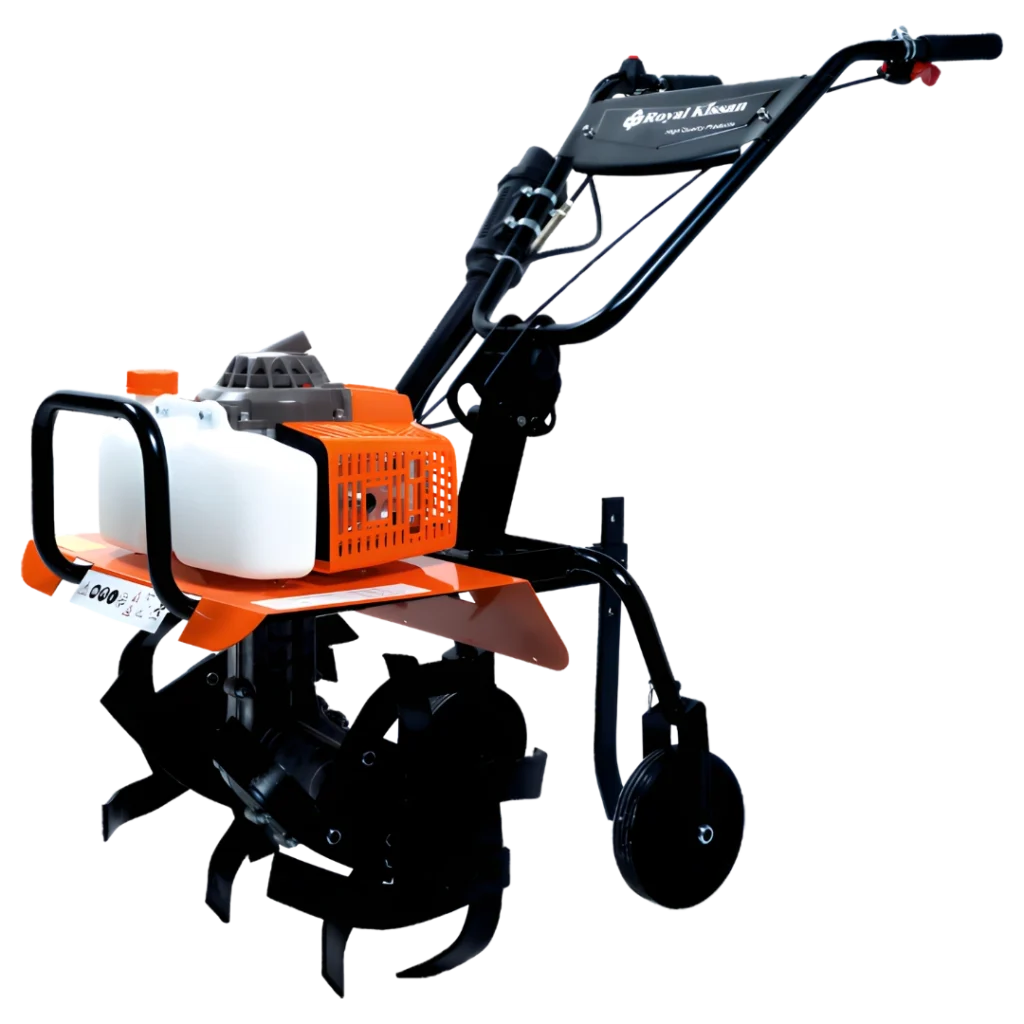
Learn essential mini power weeder maintenance tips, including engine care, blade inspection, oil changes, cleaning, storage, and routine servicing.
Mini Power Weeder Maintenance Guide: Keep Your Machine Performing at Its Best
A mini power weeder is a valuable agricultural machine for farmers, gardeners, nurseries, vegetable growers, and horticulture applications. Its compact design makes it easy to operate in narrow spaces, while its powerful performance helps with weeding, soil cultivation, and inter-cultivation.
However, regular maintenance is essential to keep a mini power weeder working efficiently. Proper maintenance can help improve performance, reduce unexpected breakdowns, extend machine life, and maintain safe operation.
At Royal Kissan, we understand the importance of dependable agricultural machinery for modern farmers. Following a simple maintenance routine can help farmers get consistent performance from their mini power weeder throughout the farming season.
1. Clean the Machine After Every Use
Soil, weeds, mud, and plant residues can accumulate around the blades, gearbox, wheels, and machine body during field operations.
After completing work:
- Remove soil and crop residues from the machine.
- Clean the rotary blades carefully.
- Remove mud from the wheels and working components.
- Keep air vents free from dust and debris.
- Wipe exposed metal surfaces after cleaning.
Avoid allowing wet soil and plant material to remain on the machine for long periods, as this can contribute to corrosion and component deterioration.
2. Inspect the Rotary Blades
The blades are among the most important components of a mini power weeder. They come into direct contact with the soil and therefore experience considerable wear.
Before and after operation, check the blades for:
- Excessive wear
- Cracks
- Bending
- Loose fasteners
- Damage caused by stones or hard objects
Damaged or excessively worn blades should be replaced according to the manufacturer’s recommendations. Do not operate the machine with damaged cutting components.
3. Check Engine Oil Regularly
Engine oil is essential for lubricating internal engine components and reducing friction.
Check the oil level according to the manufacturer’s recommended procedure and schedule. If the oil level is low, add the recommended grade of oil.
Oil should also be replaced at the intervals specified in the machine’s owner’s manual. Using the correct oil and maintaining the recommended level can help support smooth engine operation.
4. Maintain the Air Filter
A clean air filter helps prevent dust and other particles from entering the engine.
Agricultural environments can generate significant amounts of dust, particularly during dry soil cultivation. Therefore, inspect the air filter regularly.
If the filter is dirty, clean or replace it according to the manufacturer’s instructions. A severely clogged or damaged filter should not be ignored because restricted airflow can affect engine performance.
5. Inspect the Fuel System
Before operating your mini power weeder, check the fuel system for visible leakage or damage.
Inspect:
- Fuel tank
- Fuel lines
- Fuel cap
- Fuel filter
- Connections
Use only the fuel recommended for your particular model. Do not use contaminated or old fuel, and always follow the engine manufacturer’s storage and fuel-handling instructions.
6. Check the Gearbox and Transmission
The gearbox transfers engine power to the working mechanism, making it an important part of the mini power weeder.
Regularly inspect the gearbox for unusual noise, leakage, or other signs of a problem. Check gearbox lubricant according to the manufacturer’s maintenance schedule.
If you notice excessive noise, vibration, or difficulty changing gears, stop the machine and have it inspected by a qualified technician.
7. Inspect Nuts and Bolts
Vibration during agricultural operations can gradually loosen fasteners.
Before using the machine, inspect important nuts, bolts, and fasteners. Make sure they are secure according to the manufacturer’s specifications.
Do not overtighten components, as excessive tightening can damage threads or parts.
8. Check Tyres and Wheels
If your mini power weeder is equipped with wheels, inspect them regularly.
Check for:
- Proper tyre condition
- Damage or cuts
- Loose wheel components
- Appropriate tyre pressure, where applicable
Good wheel condition improves machine stability and manoeuvrability during field operations.
9. Inspect the Handle and Controls
The handle and operating controls should be checked before every use.
Make sure:
- Handles are securely mounted.
- Control levers operate smoothly.
- Throttle controls function correctly.
- Clutch controls respond properly.
- Emergency or engine-stop controls work correctly, where equipped.
Never operate the machine if an important control is damaged or malfunctioning.
10. Monitor Unusual Noise and Vibration
Changes in sound or vibration can indicate a mechanical issue.
Stop the mini power weeder if you notice:
- Unusual engine noise
- Excessive vibration
- Sudden loss of power
- Abnormal smoke
- Oil or fuel leakage
- Difficulty engaging the drive
Continuing to operate a machine with a suspected mechanical problem can increase the risk of further damage.
11. Lubricate Components as Recommended
Certain moving components require lubrication to operate smoothly. Follow the lubrication points and intervals specified in the owner’s manual.
Do not apply excessive lubricant or use an unsuitable lubricant. Using the correct product in the correct quantity helps protect moving components and maintain reliable operation.
12. Follow a Seasonal Maintenance Schedule
A regular maintenance schedule is easier and more effective than waiting until a problem occurs.
Before Every Use
Perform a quick inspection of:
- Engine oil
- Fuel system
- Blades
- Fasteners
- Wheels
- Controls
- Visible leaks
After Every Use
Clean the machine and remove soil, weeds, and crop residues from the working components.
Periodically
Inspect and service:
- Engine oil
- Air filter
- Fuel filter
- Gearbox
- Blades
- Transmission
- Fasteners
- Lubrication points
Always follow the specific service intervals provided with your Royal Kissan machine.
13. Store the Mini Power Weeder Properly
Proper storage is especially important when the machine will not be used for an extended period.
Before storage:
- Clean the machine thoroughly.
- Remove soil and plant residues.
- Inspect for damaged components.
- Complete required maintenance.
- Follow the engine manufacturer’s fuel-storage recommendations.
- Store the machine in a clean, dry, and ventilated area.
- Protect it from unnecessary moisture and weather exposure.
Proper storage can help prevent rust, deterioration, and starting problems when the machine is needed again.
Safety Tips During Maintenance
Safety should always come first when servicing agricultural machinery.
Before performing maintenance:
- Switch off the engine.
- Allow hot components to cool.
- Keep the machine on a stable surface.
- Disconnect the spark plug where appropriate before servicing applicable components.
- Wear suitable protective equipment.
- Keep children and unauthorised people away from the machine.
- Never work on moving components.
- Use the correct tools.
- Follow the manufacturer’s service instructions.
For complex engine, transmission, or mechanical repairs, contact a qualified service professional.
Why Regular Maintenance Matters
Maintaining a mini power weeder is not simply about preventing breakdowns. A well-maintained machine can provide more consistent performance and help farmers get better value from their agricultural equipment.
Regular maintenance can help:
- Extend machine service life
- Maintain operating efficiency
- Reduce unexpected downtime
- Identify problems early
- Protect important components
- Improve operating safety
- Reduce avoidable repair expenses
Royal Kissan: Supporting Modern Agriculture
Royal Kissan is committed to supporting farmers with dependable agricultural machinery designed for modern farming requirements. Our focus is on combining practical design, reliable performance, and quality manufacturing to help farmers improve their agricultural operations.
A mini power weeder can be an important tool for efficient cultivation, particularly where compact equipment and manoeuvrability are required. With proper operation and regular maintenance, farmers can keep their equipment ready for demanding field conditions.
For the best results, always refer to the specific owner’s manual supplied with your Royal Kissan mini power weeder because maintenance intervals, lubricant specifications, engine procedures, and component requirements can vary between models.
Royal Kissan — supporting farmers with reliable agricultural machinery for a more productive future.