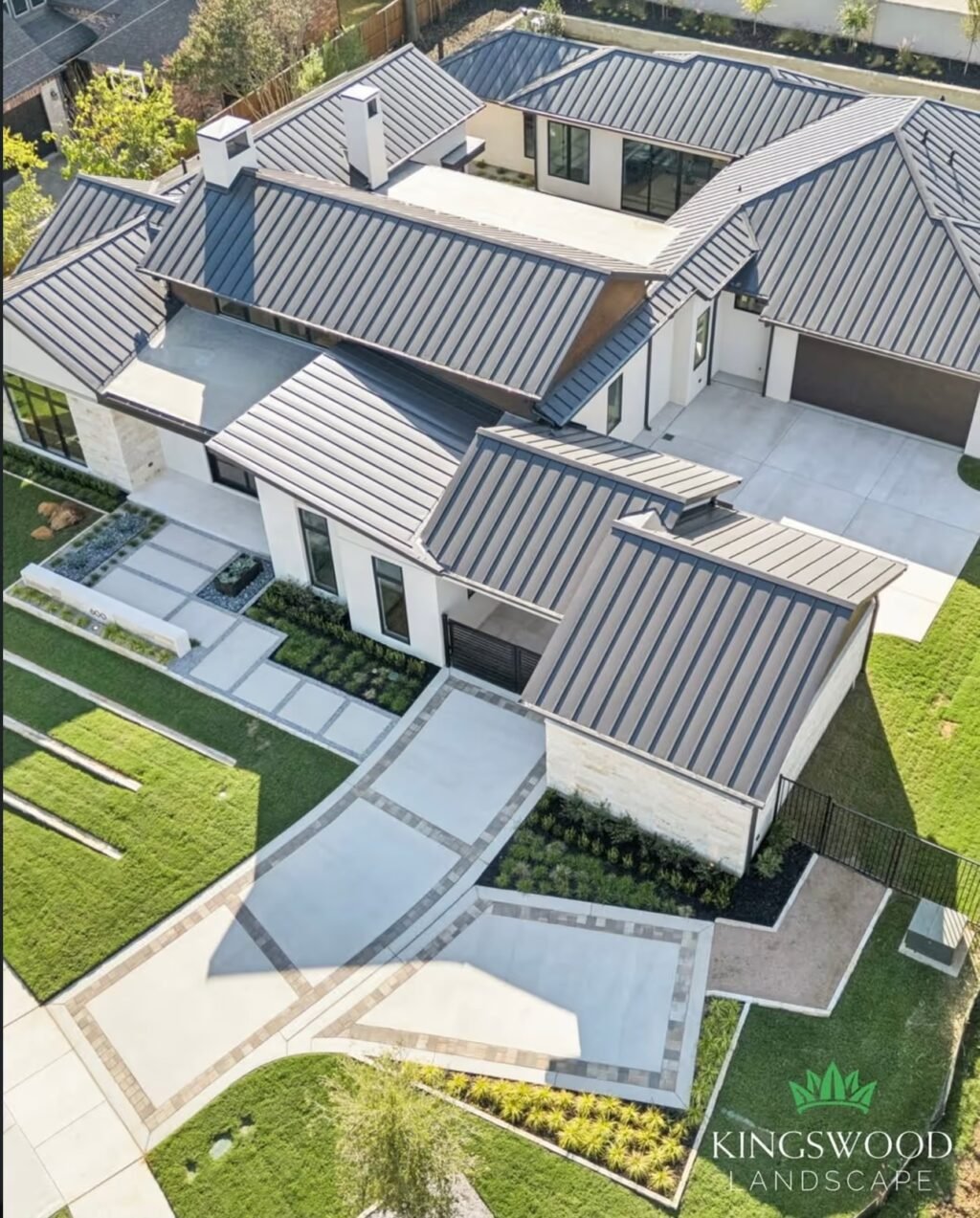
Building a new home is an exciting opportunity to create a property that fits your lifestyle. Homeowners often spend a lot of time choosing the right floor plan, exterior finishes, flooring, lighting, and other details. However, the outdoor space deserves the same attention.
A well planned landscape can make a new property feel complete. It can improve curb appeal, create comfortable areas for relaxing, and provide practical space for family activities and entertaining. With new home construction landscaping, homeowners have the advantage of planning the yard from the beginning rather than trying to adapt an existing landscape.
Professional landscape design and installation services can also help bring the different parts of the property together. From the front entrance to the backyard, every feature can be planned with the home’s design, property conditions, and future needs in mind.
Why Landscaping Should Be Planned Early
Many homeowners wait until the house is finished before thinking about the yard. While landscaping can certainly be completed after construction, early planning can make the process easier and more efficient.
Construction activity can change the condition of the property. Heavy machinery may compact the soil, excavation can disturb the ground, and grading can affect how rainwater moves across the site.
When the landscape is planned early, these conditions can be considered before installing plants, lawns, patios, or walkways.
Early planning also helps coordinate outdoor features with the home. The location of doors, windows, driveways, utility areas, and outdoor living spaces can influence the final landscape layout.
Start With a Property Assessment
Understand the Site
Every property has unique conditions. Before choosing plants or landscape features, homeowners should understand how the property behaves.
Sunlight, soil, drainage, slopes, property boundaries, existing trees, and access points can all influence the design.
For example, a section that receives full sunlight may be suitable for plants that tolerate bright conditions, while a shaded area may require different choices. A low part of the yard may also need drainage improvements before it becomes a planting bed.
Understanding the site helps create a landscape that works with the property.
Evaluate the Soil
Soil is an important foundation for healthy plants and lawn areas. Construction equipment can compact soil, while excavation can disturb its natural condition.
Before planting, soil may need preparation to provide a suitable environment for roots. This can support better plant establishment and help the landscape develop more evenly.
Although soil preparation is not always visible after installation, it is an important part of building a healthy outdoor space.
Address Drainage Before Landscaping
Keep Water Away From the Foundation
Drainage should be considered before installing finished landscaping. Water needs to move away from the home’s foundation and toward suitable drainage areas.
Poor drainage can result in standing water, muddy areas, erosion, and stressed plants. It can also create problems for patios, walkways, and other outdoor features.
Addressing grading and drainage early can reduce the need for future repairs or landscape changes.
A good landscape plan should consider how rainwater moves across the property and where it can safely collect or drain.
Create a Complete Landscape Plan
Plan the Entire Property
A complete landscape plan can help make different areas of the property feel connected. Instead of treating the front yard, backyard, and side areas as separate projects, homeowners can consider how they work together.
A well rounded plan should consider:
- The home’s architecture, property size, sunlight, soil conditions, drainage, privacy, access, maintenance preferences, and how the household plans to use the outdoor space.
- Trees, shrubs, lawn areas, planting beds, walkways, patios, seating areas, lighting, privacy features, and potential future additions.
A complete plan also allows homeowners to work in stages. Not every feature needs to be installed immediately. Future projects can be included in the overall design so they fit naturally with the existing landscape.
Design the Front Yard for Curb Appeal
Create a Welcoming Entrance
The front yard is one of the most visible parts of the property. A thoughtful design can improve curb appeal and create a welcoming transition from the street to the home.
Trees can provide structure and shade, shrubs can frame the house, and smaller plants can add color around the entrance.
A clear walkway can guide visitors toward the front door. Lighting can also improve visibility and make the entry area feel more inviting during the evening.
The landscape should complement the architecture. Plant sizes and features should be selected according to the scale of the house and property.
Think About Mature Plant Size
One of the most important factors in plant selection is future growth.
A young tree or small shrub may fit perfectly when installed but can become much larger after several years. Planting too close to walls, windows, walkways, fences, or utility areas can create future maintenance concerns.
Considering mature size during the design stage gives plants room to grow naturally.
Create a Backyard for Your Lifestyle
Decide How You Will Use the Space
The backyard should reflect how homeowners want to spend time outdoors.
Families with children or pets may want an open lawn. Homeowners who enjoy entertaining may prefer a larger patio with seating. Others may want a garden, private retreat, or simple space for relaxing.
There is no single perfect backyard layout. The right design depends on the household’s needs, preferences, and property size.
Plan Outdoor Living Areas
Outdoor living features should be considered early whenever possible.
Patios, pergolas, outdoor kitchens, pools, fire features, and seating areas require adequate space. Their locations can also affect drainage, irrigation, planting beds, and access.
Even if a homeowner plans to install a feature later, including it in the initial plan can prevent future conflicts.
This is one of the advantages of working with landscape design and installation services. A complete design can account for current needs while leaving room for future improvements.
Choose Plants That Fit the Property
Consider Growing Conditions
Plant selection should be based on both appearance and site conditions.
Different plants have different requirements for sunlight, water, soil, and growing space. Choosing suitable plants can make the landscape easier to establish and maintain.
A balanced design can combine trees, shrubs, flowers, ground covers, and lawn areas. Each element can provide a different benefit.
Trees can offer shade and structure, shrubs can add privacy, and smaller plants can provide seasonal color and texture.
Avoid Overplanting
A newly installed landscape can look sparse at first. This may encourage homeowners to add more plants than necessary.
However, plants grow. A planting bed that appears empty during the first year can become full several years later.
Proper spacing gives plants room to mature and can reduce overcrowding, pruning, and maintenance.
Add Hardscape Features Carefully
Connect Outdoor Areas
Hardscape features include patios, walkways, steps, retaining walls, and other built elements.
These features provide structure and improve how people move around the property. A front walkway can connect the driveway to the entrance, while backyard paths can connect a patio with other outdoor areas.
Materials should complement the home’s exterior. Coordinating textures and colors can make the landscape feel like a natural extension of the property.
Plan the Installation Sequence
Major hardscape work should be planned carefully before delicate plants are installed. Construction equipment, excavation, and material movement can disturb soil and damage newly planted areas.
Completing major construction work first can help protect planting areas and reduce unnecessary replacement.
Plan Irrigation and Maintenance
Think Beyond Installation Day
Landscaping requires regular care after installation. Lawn areas need mowing, plants need water, and trees and shrubs may require pruning.
Irrigation should be considered during the landscape planning stage. Different areas may have different watering requirements, so the system should support the plant selections and layout.
Maintenance should also influence design decisions. Homeowners who prefer a simple routine may benefit from practical plants and outdoor features that do not require constant attention.
A landscape should be attractive while remaining realistic to maintain.
Consider a Phased Landscaping Approach
Build the Landscape Over Time
New home construction can involve many expenses, so homeowners may prefer to complete landscaping in stages.
Essential work such as grading, drainage, irrigation, primary walkways, and basic lawn areas can be completed first. Additional planting, patios, outdoor structures, and decorative features can be added later.
The important thing is to establish an overall plan before starting individual phases. This allows future additions to fit naturally with the completed work.
Avoid Common Landscaping Mistakes
Starting with a blank property gives homeowners flexibility, but rushing into installation can cause problems.
Planting too close to buildings, overlooking drainage, selecting plants without considering mature size, and creating overly complicated planting beds can make the landscape harder to manage.
Another mistake is focusing only on immediate appearance. A landscape is living and will change as plants grow.
Good planning considers how the yard will look and function several years into the future.
Give the Landscape Time to Mature
A newly installed landscape may not look full immediately. Trees, shrubs, and other plants need time to establish roots and grow.
Proper spacing allows plants to develop naturally. Regular watering and appropriate maintenance can support healthy growth.
Homeowners should judge the design with its future growth in mind. A landscape that looks simple during its first season may become much more established over time.
Create a Landscape That Complements Your Home
A successful landscape should feel connected to the house. Plant selections, hardscape materials, walkways, lawn areas, and outdoor living features should work together.
The front yard can provide a welcoming entrance, while the backyard can create comfortable areas for recreation, relaxation, and entertaining.
When the landscape is designed as a complete property rather than a collection of individual projects, the final result can feel more balanced and intentional.
Professional landscape design and installation services can help homeowners organize these different elements and turn an empty construction site into a finished outdoor environment.
Conclusion
New home construction landscaping gives homeowners the opportunity to create an outdoor space that is planned specifically for their property and lifestyle. Careful attention to soil, drainage, plant selection, hardscape, irrigation, maintenance, and future growth can help create a landscape that remains attractive and functional for years. For homeowners seeking professional guidance from planning through installation, Kingswood Landscape can provide landscape design and installation services tailored to the property’s layout, style, and long term goals.