Niagara Falls Bus tour from Toronto
Planning a day trip from Toronto to Niagara Falls should feel exciting rather than complicated. The famous waterfalls, beautiful surroundings, and variety of nearby attractions make Niagara Falls a popular destination for couples, families, friends, and organized groups. However, transportation, timing, parking, meals, weather, and sightseeing can become difficult to coordinate when every traveler has a different plan.
A Niagara Falls Bus tour from Toronto offers a practical way to organize the journey around a shared schedule. Instead of managing several cars, checking directions repeatedly, and searching for parking, we can travel together while concentrating on the experience. With a little preparation before departure, the trip can become more comfortable, organized, and enjoyable.
The most important part of planning is understanding what we want from the day. Some travelers want plenty of time near the waterfalls, while others prefer a broader sightseeing itinerary with additional stops. Families may prioritize comfort and flexibility, whereas groups attending a special event may focus on punctuality. Once we understand these priorities, it becomes much easier to create a suitable plan.
Start With a Clear Niagara Falls Trip Plan
Before arranging transportation, we should decide what kind of experience we want.
A simple day trip may focus mainly on seeing the waterfalls, taking photographs, walking around the surrounding area, and enjoying a meal. A more extensive itinerary may include additional attractions and sightseeing stops.
We should avoid creating an itinerary that is so crowded that we spend the entire day watching the clock. Niagara Falls is a destination that deserves time to appreciate the scenery.
A useful approach is to divide the day into three broad stages:
- Travel from Toronto to Niagara Falls
- Main sightseeing and activities
- Return journey to Toronto
Within these stages, we can add specific stops according to our interests.
Choose a Convenient Departure Time
Departure timing can influence the entire day.
An early start can provide more time at the destination and may allow us to reach major sightseeing areas before they become particularly busy. It can also create more flexibility if traffic affects the journey.
We should check the exact departure location and arrive early enough to board comfortably. Rushing to a pickup point can create unnecessary stress before the trip even begins.
If we are traveling with children, older adults, or a large group, additional time in the morning can be particularly helpful. Everyone can arrive, organize their belongings, and board without pressure.
Select Transportation Based on Group Size
The size of the group should influence the type of transportation we arrange.
A smaller group may need a minibus, while a larger group may require a full-size coach. Passenger numbers are not the only consideration, however. We should also think about luggage, equipment, trip duration, and comfort.
If every seat is occupied, the journey can feel crowded, particularly if passengers are carrying backpacks or other personal belongings.
For a longer trip, having adequate space can make a noticeable difference. We should therefore discuss the group’s exact requirements before confirming transportation.
Review the Vehicle Features
Different vehicles can provide different levels of comfort and convenience.
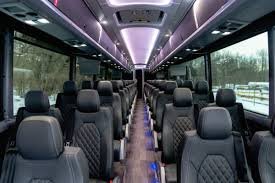
Before booking a Niagara Falls Bus tour from Toronto, we should review the amenities available in the specific vehicle.
Depending on the vehicle, useful features may include:
- Air conditioning
- Comfortable seating
- Reclining seats
- Overhead storage
- Luggage compartments
- Charging ports
- USB connections
- Wi-Fi
- Audio systems
- Entertainment equipment
Not every bus offers every feature, so we should confirm important amenities in advance rather than making assumptions.
For a short journey, basic comfort may be enough. For a full-day trip, however, additional amenities can make the time on the road more pleasant.
Consider the Season
Niagara Falls looks different throughout the year, and our preparation should reflect the season.
Summer can bring warm temperatures and long daylight hours, making outdoor sightseeing comfortable. It can also be a busy period.
Autumn may offer changing foliage and cooler temperatures. Spring can bring variable weather, while winter provides a distinctly different atmosphere with colder conditions.
We should select clothing based on the expected weather rather than relying only on the conditions in Toronto.
Layered clothing is often useful because temperatures can change throughout the day. Comfortable shoes are also essential because sightseeing around Niagara Falls can involve considerable walking.
Check the Weather Before Leaving
Weather preparation is one of the simplest ways to make a trip more comfortable.
Before departure, we should check the forecast for both Toronto and Niagara Falls. The conditions at the destination may differ from those at our starting point.
A waterproof jacket can be useful during wet weather and around areas where mist is present. Sunglasses and sun protection can be helpful on bright days.
Weather can also affect travel time, so we should keep the itinerary flexible enough to accommodate changing road conditions.
Pack Light but Practical
A day trip does not require a large amount of luggage.
We should carry only what we genuinely need, particularly because we may spend several hours walking.
A practical day bag might contain:
- Water
- Small snacks
- Phone
- Portable charger
- Sunglasses
- Weather-appropriate clothing
- Camera
- Personal medication
- Identification
- Waterproof protection for electronic devices
Keeping the bag light makes sightseeing easier.
We should also check any luggage restrictions associated with the transportation provider before departure.
Protect Electronics Around the Falls
The area around Niagara Falls can be wet and misty.
If we plan to take photographs or videos, protecting our phones and cameras is a sensible precaution. A waterproof case or pouch can help protect electronic devices from moisture.
We should also be careful when handling expensive equipment near viewing areas. A secure strap or protective case can reduce the risk of accidental drops.
Good photographs are valuable, but protecting the equipment comes first.
Plan Photography Without Missing the Experience
Niagara Falls provides countless opportunities for photographs.
We can take wide shots that capture the scale of the waterfalls, closer images that emphasize the movement of the water, and photographs that include the surrounding landscape.
However, we should avoid spending the entire visit behind a camera or phone.
A few minutes of simply observing the waterfalls can be more memorable than constantly searching for another photograph.
We can decide in advance which viewpoints and moments are most important and then put the camera away for a while.
Build the Itinerary Around the Main Attraction
The waterfalls should remain a central part of the day.
It is easy to become distracted by restaurants, shops, entertainment, and other attractions. These activities can be enjoyable, but we should make sure they do not consume all the available time.
A good itinerary gives us enough time to enjoy the main views before moving to secondary activities.
If the trip includes several stops, we should identify which ones are priorities and which ones can be skipped if time becomes limited.
Allow Time for Walking
Niagara Falls is not simply a place where we step off a bus, take one photograph, and leave.
Depending on our itinerary, we may walk between viewing areas, restaurants, attractions, and meeting points.
Comfortable footwear is therefore essential.
We should also consider the needs of children and older travelers when determining how much walking the itinerary should include.
A realistic pace creates a better experience than trying to cover too much ground.
Plan Meals in Advance
Food can easily become a source of delay during group travel if nobody knows where or when the group will eat.
We should consider meal timing before arriving.
If lunch is not included in the tour, we can identify suitable options according to our schedule and dietary needs.
For large groups, eating at exactly the same time can take longer than expected, so the itinerary should include enough flexibility.
We can also carry light snacks for the journey, particularly when traveling with children.
Keep the Group Organized
Large groups benefit from clear communication.
Before departure, everyone should know:
- Pickup location
- Pickup time
- Return time
- Meeting points
- Contact information
- Planned stops
- Any luggage requirements
One person can act as the group coordinator and communicate with the transportation provider when necessary.
This prevents everyone from contacting the driver separately and reduces confusion.
Use Meeting Points Carefully
When a group separates during sightseeing, clear meeting points become important.
We should select locations that are easy to identify and communicate.
Everyone should understand where they need to return and what time they need to be there.
It is better to return slightly early than to arrive at the last minute.
A delayed passenger can affect the schedule for the entire group, so time management is an important part of organized travel.
Account for Toronto Traffic
Road traffic can affect the journey in either direction.
We should avoid creating a schedule that assumes every part of the trip will take exactly the minimum estimated travel time.
Traffic congestion, construction, accidents, weather, and other road conditions can affect the journey.
For important activities, we should leave reasonable time between arrival and the start of the event.
This is particularly important when the trip connects with a reservation, performance, conference, or other time-sensitive activity.
Make the Bus Journey Comfortable
The journey itself can be part of the experience.
Instead of worrying about navigation, we can use the travel time to relax, talk with other passengers, listen to music, read, or simply enjoy the scenery.
For longer trips, we may want to bring headphones, a small pillow, water, and a fully charged phone.
We should also avoid carrying unnecessary items that make seating areas crowded.
A comfortable bus environment helps everyone arrive at Niagara Falls ready to explore.
Understand the Tour Schedule
Before choosing a Niagara Falls Bus tour from Toronto, we should carefully review the complete itinerary.
Important details include:
- Departure time
- Pickup location
- Estimated arrival
- Time at Niagara Falls
- Additional stops
- Meal arrangements
- Optional activities
- Return departure
- Expected arrival back in Toronto
This information helps us determine whether the tour matches the pace we prefer.
Some travelers want a relaxed experience with plenty of free time, while others prefer a structured schedule.
Check What Is Included
Tour packages can differ considerably.
We should understand whether transportation is the primary service or whether the package also includes guided sightseeing, attraction admissions, meals, or other activities.
If an activity is not included, we should determine whether tickets need to be purchased separately.
Understanding the inclusions before departure helps us budget properly.
Consider Accessibility Requirements
Accessibility should be discussed before the reservation is finalized.
If someone in our group uses a wheelchair or mobility aid, we should communicate those requirements in advance.
Not every vehicle has the same accessibility features.
Early communication gives the transportation provider an opportunity to identify an appropriate vehicle and explain the available arrangements.
Traveling With Children
Families can make the day easier by preparing children for the journey.
The bus ride may be exciting, but younger children can become restless during longer periods of travel.
We can bring books, games, headphones, or downloaded entertainment.
Snacks and water are also useful.
At Niagara Falls, comfortable footwear is particularly important because children may want to walk and explore.
We should also make sure they understand where and when the group will meet before returning to the bus.
Traveling With Seniors
Older travelers may have different comfort requirements.
We should consider walking distances, rest opportunities, seating comfort, and weather conditions when creating the itinerary.
A less crowded schedule can allow everyone to enjoy the destination without feeling rushed.
If someone has mobility limitations, these should be discussed with the transportation provider before travel.
Keep Costs Under Control
A well-planned trip does not have to become unnecessarily expensive.
We can manage costs by understanding the complete transportation price, identifying what is included, avoiding unnecessary extra hours, and planning meals and activities in advance.
It is also useful to compare transportation options according to the total service rather than only the initial quoted price.
Additional charges can sometimes apply for parking, tolls, waiting time, extra mileage, or extended rental periods.
Knowing these details before booking makes budgeting easier.
Prepare for Unexpected Delays
No travel schedule is completely immune to unexpected changes.
Traffic, weather, road conditions, passenger delays, and changes to attraction schedules can affect the day.
We should therefore leave some flexibility in our itinerary.
If one activity takes longer than expected, we can adjust secondary plans rather than rushing through the entire experience.
This approach makes the trip more relaxed and gives us the freedom to enjoy unexpected moments.
Confirm the Details Before Departure
A final confirmation can prevent simple mistakes.
We should check:
- Travel date
- Departure time
- Pickup location
- Passenger count
- Vehicle type
- Destination
- Return schedule
- Special requirements
- Payment status
- Contact information
If the trip was booked several weeks in advance, this final check is especially useful.
Create a Simple Day-Trip Checklist
Before leaving Toronto, we can use a short checklist:
Before departure:
- Check the weather.
- Charge phones and cameras.
- Prepare comfortable clothing.
- Pack water and essential items.
- Confirm the pickup location.
- Arrive early.
- Make sure everyone knows the itinerary.
At Niagara Falls:
- Follow the planned meeting times.
- Protect electronics from moisture.
- Stay aware of the schedule.
- Allow enough time for the main attractions.
- Keep personal belongings secure.
- Take breaks when necessary.
Before returning:
- Check that everyone is present.
- Collect personal belongings.
- Return to the meeting point early.
- Confirm that no items have been left behind.
This simple process can make the day considerably easier to manage.
How to Make the Trip Feel Less Rushed
The best way to avoid stress is to resist the temptation to schedule too much.
We should choose a manageable number of activities and leave room between them.
The waterfalls themselves deserve enough time. Instead of constantly checking the clock, we can enjoy the scenery, take photographs, walk at a comfortable pace, and spend quality time with our group.
A successful day trip is not measured by the number of attractions visited. It is measured by how comfortably and meaningfully we experience the destination.
Conclusion
A trip to Niagara Falls from Toronto can be enjoyable without becoming complicated. The key is to organize the practical details before departure and leave enough flexibility to enjoy the destination naturally.
A Niagara Falls Bus tour from Toronto can simplify group transportation by keeping everyone together and reducing the need to manage separate vehicles, drivers, routes, and parking. When we combine suitable transportation with a realistic itinerary, comfortable clothing, practical packing, clear communication, and sensible time management, the entire journey becomes easier to handle.
The most important preparation is straightforward. We should understand our group’s needs, choose suitable transportation, check the itinerary, monitor the weather, plan meals, allow for traffic, and make sure everyone knows the meeting arrangements.
Once these details are covered, we can focus on what matters most: experiencing the waterfalls, enjoying the surrounding scenery, spending time with our group, and creating memories without unnecessary stress.
FAQs
1. How long should we spend at Niagara Falls?
The ideal amount of time depends on the itinerary and personal interests. A day trip can provide enough time for major viewpoints, walking, photographs, meals, and selected additional activities when the schedule is planned carefully.
2. What should we bring on a Niagara Falls bus trip?
We should bring comfortable shoes, weather-appropriate clothing, water, a phone charger, sunglasses, personal necessities, and protection for electronic devices. A small day bag is usually sufficient.
3. Is an early departure better for a Niagara Falls day trip?
An early departure can provide more time at the destination and may offer greater flexibility during the day. The ideal timing depends on the tour itinerary and our preferred pace.
4. How can we avoid delays during a group trip?
We can establish clear pickup and meeting points, arrive early, share the itinerary with everyone, keep track of the return time, and allow extra time for traffic and boarding.
5. What should we check before booking transportation?
We should review the vehicle size, passenger capacity, luggage space, amenities, itinerary, pickup location, total price, additional charges, accessibility arrangements, cancellation policy, and payment terms.
For more information: Airlink Tours Niagara Falls Toronto