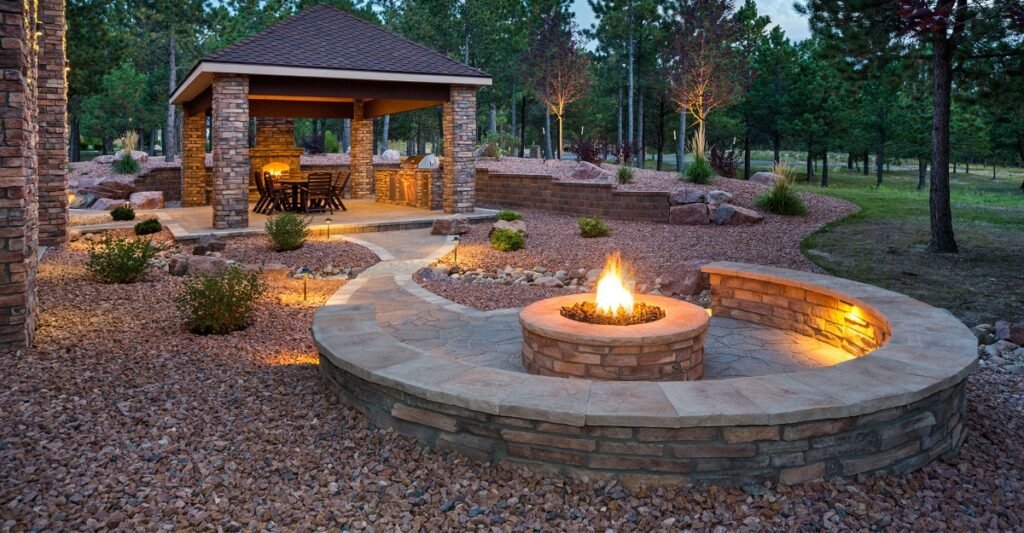
A backyard can become one of the most enjoyable areas of a Texas home. With the right design, an unused lawn or basic patio can become a comfortable setting for outdoor meals, family gatherings, quiet mornings, and relaxing evenings.
Creating a great outdoor area is not simply about adding attractive features. The design needs to consider the home’s layout, the size of the property, local weather, sunlight, drainage, plants, and the way the space will be used.
For homeowners considering outdoor living space design and build in Texas, careful planning can make the difference between a backyard that looks good and one that people actually enjoy using. The right approach brings comfort, function, appearance, and long term maintenance together.
Start With Your Outdoor Living Goals
Every backyard project should begin with a simple question: How do you want to use the space?
Some homeowners want an area for family dinners. Others want a comfortable place to entertain guests or enjoy time outdoors after work. A family with children may need open space for play, while someone who enjoys gardening may want more room for plants.
There is no single formula for outdoor living. Your needs should determine the layout and features.
Think About How You Spend Time Outside
Consider your daily habits before choosing materials or structures. If you enjoy eating outside, an outdoor dining area may be useful. If you prefer relaxing, comfortable seating and shade may be more important.
Also think about how often you expect to use the space. A backyard designed for regular use should be comfortable during different times of day and across different seasons.
Evaluate the Existing Property
The existing yard provides important information for the design. Look at the property’s shape, slope, sunlight, drainage, existing trees, fences, and access points.
Existing landscape features may be incorporated into the new design rather than removed. A mature tree, for example, can provide shade and character while becoming a natural focal point.
Water movement should also be observed. Areas where rainwater collects may need special attention before patios or other structures are installed.
Study Sunlight Throughout the Day
Sunlight can have a major effect on outdoor comfort. A seating area that receives pleasant morning sun may become very hot later in the day.
Consider when your family is most likely to use the space. If afternoon use is important, shade should be part of the initial plan.
Sunlight also affects plant health, so planting locations should be selected according to the needs of individual plants.
Design a Patio for Everyday Use
A patio often becomes the main gathering area in an outdoor living space. It can provide room for dining, seating, cooking, and entertainment.
Concrete, pavers, and natural stone are popular choices, but the best option depends on the home’s style, budget, maintenance preferences, and expected use.
The patio should also work with the surrounding landscape. Its shape, size, and material should feel connected to the home rather than appearing like an isolated feature.
Plan Furniture Placement Early
Furniture can take up more space than expected. Before deciding on the final patio dimensions, consider the size of tables, chairs, sofas, grills, and other items.
Leave enough room for people to walk comfortably. Dining areas should allow chairs to move without hitting walls or other furniture.
Planning these details before construction can help prevent a cramped layout.
Make Drainage a Priority
Drainage is an important consideration in outdoor construction. Rainwater should be directed away from the home’s foundation and areas where standing water could damage landscape features.
Look at existing slopes and low points before deciding where to build patios and walkways. Proper planning can help reduce water collection and soil erosion.
Why Drainage Should Be Planned Early
Drainage is much easier to address before construction than after hard surfaces have been installed.
A thoughtful design considers where rainwater comes from, where it naturally moves, and where it should go. This can help protect the landscape and improve the usability of the backyard after rainfall.
Add Shade for Texas Weather
Texas heat can make outdoor areas uncomfortable when there is no protection from direct sunlight. Shade can help make patios, dining areas, and seating spaces more enjoyable.
Homeowners can choose from natural and built shade solutions.
- Shade trees can provide natural coverage
- Pergolas can define outdoor seating areas
- Covered patios can offer consistent protection
- Umbrellas can provide flexible shade
- Screens can combine shade with privacy
The appropriate choice depends on the property and how the outdoor space will be used.
Choose Trees With Care
Trees can be valuable additions to an outdoor living space, but their mature size should always be considered.
A tree that looks small at installation can eventually spread branches or roots over a much larger area. Give trees sufficient space from structures, patios, fences, driveways, and utility lines.
Good placement can provide shade while reducing future maintenance concerns.
Choose Plants Based on Real Conditions
Plants can bring an outdoor living area to life. Trees, shrubs, flowers, grasses, and groundcover can add color, texture, privacy, and seasonal interest.
However, plant selection should not be based on appearance alone. Consider sunlight, soil, water requirements, mature size, and maintenance needs.
Native and well adapted plants can be useful choices when they are suitable for the local environment.
Plan for Mature Growth
One of the most common landscape planning mistakes is ignoring how large plants will become.
A shrub may fit perfectly when it is young but become crowded several years later. Trees may eventually interfere with buildings or other structures if they are planted too close.
Allowing sufficient growing room can support healthier plants and reduce the need for frequent pruning.
Use Water Thoughtfully
Water is an important consideration for Texas landscapes. A well planned outdoor space should provide plants with the moisture they need without unnecessary watering.
Different landscape areas may have different water requirements. Lawns, flower beds, shrubs, and trees should not automatically be treated the same way.
Mulch can help protect soil moisture and reduce evaporation around plants. Suitable plant selection can also make landscape care more manageable.
Match Irrigation to Plant Needs
Irrigation should deliver water where it is needed. Overwatering can waste water and may create problems for certain plants.
Weather and rainfall should also be considered. Watering needs can change depending on the season and recent weather conditions.
Connect the Yard With Walkways
Walkways help people move naturally through an outdoor living area. A path can connect the back door with the patio, garden, seating area, or another part of the yard.
The route should be practical and easy to follow. Avoid creating unnecessary paths that take up space without serving a purpose.
Materials should also complement the patio and other landscape features. Consistent materials can help create a more unified appearance.
Add Outdoor Lighting
Outdoor lighting can make the backyard more useful after sunset. It can provide visibility around paths, steps, patios, entrances, and gathering areas.
Lighting can also highlight attractive landscape features such as trees, planting beds, and walls.
Focus on Function First
Start with areas where lighting improves visibility and comfort. Decorative lighting can then be added to create atmosphere.
Avoid excessive brightness. Carefully positioned lights can provide useful illumination without making the outdoor space feel harsh.
Include Privacy in the Design
Privacy can make an outdoor living space more relaxing. This can be especially important when neighboring homes are close together.
Fences, screens, trees, and shrubs can all provide separation. Layered planting can create privacy while keeping the landscape looking natural.
Think about which views you want to block and which you want to keep. Strategic placement can make the backyard feel private without making it feel closed in.
Consider Maintenance Before Choosing Features
Every landscape requires some level of care. The right design should match the amount of time and effort you are willing to spend.
Think about mowing, pruning, watering, cleaning, seasonal care, and repairs before choosing plants and materials.
A simpler design can still be attractive. Durable surfaces, suitable plants, and practical features can help keep ongoing maintenance manageable.
Understand the Value of a Free Landscape Estimate
Before starting a major outdoor project, it helps to understand the potential scope of the work. A free landscape estimate gives homeowners an opportunity to discuss their goals and learn more about possible solutions.
During the estimate, discuss the property, preferred features, materials, drainage, planting, shade, and expected maintenance.
Ask what the estimate includes and whether preparation work is required. Clear information can help you set realistic expectations and make better decisions.
Consider a Phased Approach
A complete backyard transformation does not always have to happen at once. Some homeowners prefer to complete the project in stages.
You might start with a patio and planting, then add lighting, shade, seating, or other improvements later.
Completing the work in phases can make the project easier to manage and allow you to adjust future plans based on how you use the finished space.
Design for Long Term Enjoyment
An outdoor living area should continue to work as your needs change. Plants will grow, furniture may change, and family routines can evolve.
Consider future growth when planting trees and shrubs. Think about whether the layout will remain convenient as your household changes.
A design that balances current needs with future possibilities can remain useful for many years.
Create a Natural Extension of Your Home
A successful outdoor living area should feel connected to the house. The materials, colors, plants, and layout should complement the home’s existing appearance.
Easy access between indoor and outdoor spaces can also encourage more frequent use. A patio near the kitchen or living area may feel more convenient than one located far from the house.
Small design choices can make the difference between an outdoor area that looks attractive and one that becomes part of everyday life.
Conclusion
Creating a comfortable backyard requires careful attention to both design and practical needs. Patio placement, drainage, shade, plant selection, water use, lighting, privacy, and maintenance all have an important role.
For homeowners planning outdoor living space design and build in Texas, W5LC Landscape can help create a landscape that reflects your property and lifestyle. Starting with a clear plan and requesting a free landscape estimate can help you move toward an outdoor space that is comfortable, practical, and enjoyable throughout the year.