Clearing a family home can be harder than it first appears. Cupboards may hide important papers, drawers may contain valuables, and familiar objects can hold deep memories. When time is limited, it is easy to overlook something important. A clear plan helps you manage each room carefully and avoid rushed decisions. It also makes the work easier to share with relatives or other people helping with the clearance.
With the right approach, Estate Cleanouts Services can support a more organised process, from sorting personal items to arranging suitable removal. Whether you are dealing with an inherited home, preparing a property for sale, or making space for new occupants, the aim is to protect what matters and handle unwanted belongings responsibly. A room-by-room checklist, clear decisions, and safe removal arrangements can make the whole task more manageable.
Plan Each Step Before You Clear a Room Safely
A planned estate property clearing process starts with understanding what needs to be done. Walk through the home and list every room, cupboard, garage, loft, and outdoor storage area. Note bulky furniture, broken appliances, personal papers, and items that need special handling. Next, decide whether the property is being prepared for sale, rental, or family use. This goal will help you set priorities and avoid doing the same work twice.
Create a realistic schedule based on the home’s size and the amount of belongings. Divide the work into smaller tasks, then assign responsibilities if relatives or helpers are involved. Gather boxes, labels, marker pens, gloves, and strong bags before starting. Keep a separate area for important items so they do not become mixed with waste. A written checklist will also help you track progress and identify unfinished tasks.
Sort Family Belongings With Care and Patience
Household belongings removal should begin only after you have decided how to handle the items in each room. Sorting first helps prevent useful objects from being discarded by mistake. Create clear groups for items to keep, donate, sell, recycle, and throw away. If several relatives are involved, agree on these groups before moving belongings. This is especially important when clearing an inherited home, where ownership and personal wishes may differ.
Make Decisions Room by Room
Start with a room that contains fewer personal items, such as a spare bedroom or utility area. Work through one cupboard or shelf at a time instead of emptying the whole house at once. Place each item in its chosen group and label boxes clearly. If you are unsure about an object, put it aside for review rather than making a rushed choice. This method keeps the work manageable and reduces the risk of losing something important. Once one area is complete, check it before moving to the next.
Handle Emotional Items Without Rushing
Family photographs, letters, ornaments, and familiar furniture may have special meaning. Give relatives time to look through these belongings and discuss who would like to keep them. If family members disagree, store the item safely until they reach a decision. Taking photographs of larger objects can help preserve memories when keeping everything is not practical. However, avoid assuming that an old or ordinary-looking item has little value. A calm discussion can prevent arguments and help everyone feel included in the process.
Protect Papers, Keepsakes, and Valuable Items
Important estate belongings need extra attention before removal begins. Check desks, drawers, filing cabinets, wardrobes, and storage boxes for documents or valuables. Property deeds, insurance papers, bank letters, passports, jewellery, and spare keys should be gathered and secured. Do not assume that papers in an old box are unimportant. Review them carefully, and seek suitable advice if you find documents linked to unresolved legal or financial matters.
Choose Safe Ways to Remove Large Items Safely
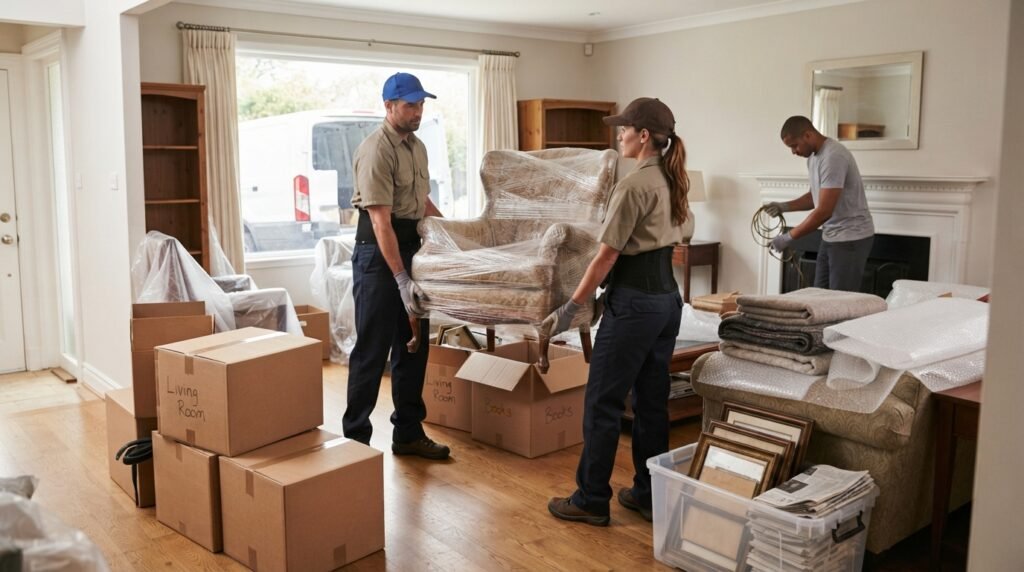
Careful furniture and appliance removal helps protect people and the property. Before moving a heavy item, check its weight, size, and route out of the building. Clear stairways and doorways, remove loose rugs, and keep children away from active work areas. Do not attempt to lift heavy furniture alone. Use suitable equipment or ask trained workers for help, especially when moving items down stairs or through narrow spaces.
Reduce Waste Through Reuse and Recycling Plan
Responsible estate decluttering services should consider what can be reused before anything is thrown away. Clean clothes, working appliances, books, and usable furniture may be accepted by charities or reuse centres. Contact them first to confirm what they take and whether collection is available. For broken goods, check local recycling guidance. Electrical equipment, batteries, fridges, and certain other items may need special handling instead of ordinary household disposal.
Prepare Each Room for Its Next Use with Care!
A cleared home ready for its next stage should be checked once unwanted belongings have been removed. Look inside cupboards, behind doors, under beds, and in storage areas to make sure nothing has been missed. Sweep floors and wipe accessible surfaces, then note any damage, damp, leaks, or signs of pests. If the property is being sold or rented, arrange further cleaning or repairs where needed. Removal alone does not mean the home is ready for new occupants.
Coordinate Helpers and Record Each Decision Clearly
Good communication during a property clearance helps everyone understand what should stay and what can go. Keep a shared checklist and record any decisions about belongings that belong to different family members. Before removal day, confirm access arrangements, collection times, and the types of items being taken. If you need property cleanout assistance, explain which items must remain, which require special handling, and what the property needs after clearance. Clear instructions reduce mistakes and help the work run to plan.
Finish With a Careful Final Property Walkthrough
A final home clearance check gives you a chance to catch anything overlooked. Visit every room, including lofts, sheds, garages, and outdoor storage spaces. Check that important papers, valuables, keys, and agreed family keepsakes are safe. Confirm that all requested belongings have been removed and that no unwanted items have been left in shared areas or outside the property. If the home will change hands soon, review any handover requirements with the relevant person.
Conclusion
Planning an estate clearance carefully can save time, reduce waste, and prevent the loss of important belongings. Start with a room-by-room checklist, sort items before removal, and keep valuables and documents secure. Give family members time to make decisions, and arrange suitable help for heavy or awkward objects. Finally, check local disposal rules and inspect the property before considering the task complete.
The most useful approach is to work steadily rather than rushing through the whole house. Keep clear records, communicate with everyone involved, and make sure reusable items reach suitable new homes whenever possible. With careful planning and respectful decisions, clearing an inherited or family property becomes easier to manage.
Frequently Asked Questions
When Should I Start Planning an Estate Clearance?
Start as soon as you know the property needs clearing and have permission to proceed. Allow extra time if relatives must review belongings or legal matters remain unresolved.
Should I Clear Every Room on the Same Day?
Not necessarily. Working room by room is often easier, especially when the property contains many belongings. The schedule should reflect the size of the home and the time available.
What Should I Do With Items Whose Ownership Is Unclear?
Keep them separate and avoid selling, donating, or disposing of them until ownership has been confirmed. Ask the relevant family members or seek legal guidance if needed.
Can Usable Furniture Be Donated?
Yes, if it is safe and in suitable condition. Contact charities or reuse organisations before arranging transport, as some cannot accept certain furniture or appliances.
How Can I Check Whether a Property Is Ready for Handover?
Inspect every room and storage space, secure important documents, and check any agreed handover requirements. Arrange additional cleaning or repairs if the property needs further work.