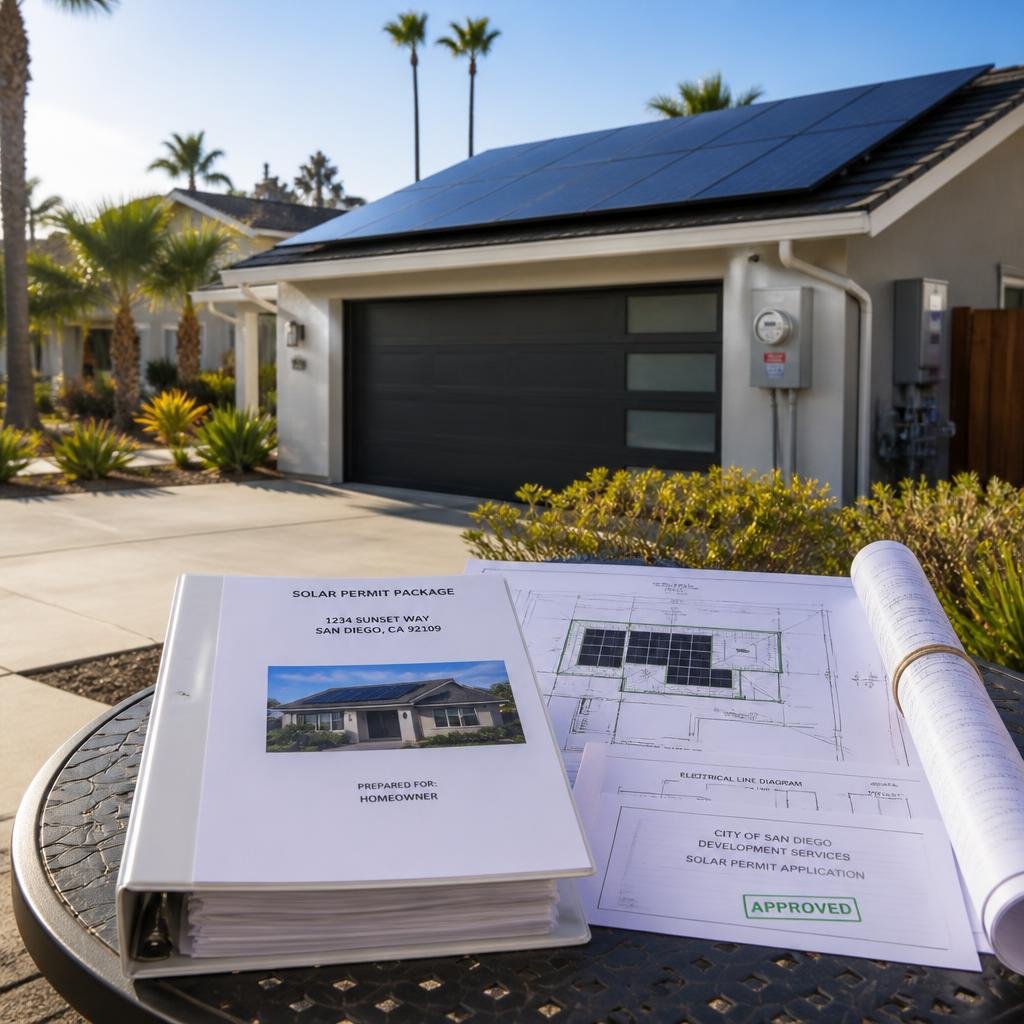
Once a solar system is installed and inspected, one more step stands between it and actual production: pto services. This utility-side process confirms a system is safe to connect to the grid, and until it clears, panels sit idle no matter how well the installation itself went. Because this final hurdle often catches homeowners off guard, PTOEdge works closely with installers to keep utility paperwork moving alongside every other phase of a project rather than treating it as an afterthought.
Many people assume that once a system passes city inspection, activation happens automatically, but utilities run their own separate review process entirely. Consequently, understanding how pto services fit into the broader project timeline helps installers set realistic expectations rather than leaving customers frustrated by an unexpected wait. Furthermore, since this final approval depends on documentation matching exactly what was installed, small paperwork errors from earlier stages can resurface here and cause real delays.
Why This Step Isn’t Automatic
Passing local inspection might feel like the finish line, but utilities still need to confirm the installed system matches what was submitted in the original interconnection application. This review protects the grid from unsafe or mismatched equipment, so utilities typically verify inverter specifications, wiring configuration, and safety disconnects before granting final clearance. Because this process runs independently of city permitting, it often introduces a second, separate wait that many customers don’t anticipate.
This is exactly why experienced teams treat pto services as a distinct phase requiring dedicated attention, rather than assuming activation happens automatically once inspection wraps up. A mismatch between installed equipment and the original application, even something as minor as a swapped inverter model, can send the whole request back for correction.
How Pto Services Actually Move a Project Forward
A strong pto services partner tracks utility-specific requirements closely, since each provider maintains its own submission format, required documents, and typical response window. Because these requirements shift from one utility to another, teams that specialize in this step can often anticipate exactly what a reviewer will ask for before it becomes a delay. As a result, projects handled by experienced coordinators tend to reach activation noticeably faster than those navigating the process for the first time.
Building the Foundation: Proposal, Design, and Documentation
Every solar project begins well before utility review, starting with a solar sales proposal that outlines expected system size, production estimates, and projected savings based on the home’s roof and local rate structure. Because this document sets customer expectations from the very beginning, it needs to reflect realistic assumptions rather than inflated numbers that create disappointment later.
After the proposal is signed, the project enters design, where pv plan sets are drafted to capture exact equipment placement, wiring paths, and structural details for the reviewing jurisdiction. Accurate pv plan sets matter here because even a small error, like a mismatched panel count or incorrect roof pitch, can trigger revisions that ripple all the way through to the utility stage later on. Many jurisdictions also require a licensed engineer’s sign-off through a solar stamping service before permitting can move forward.
Why Solar Plan Sets Set the Tone for Everything After
Solar plan sets that are rushed or built from generic templates tend to create problems that surface later, sometimes not until the utility review stage. Since the interconnection application often references the same equipment listed in the original plan set, any inconsistency between the two documents can stall final approval even after installation is complete. Because of this, teams that prioritize accuracy early in the process save themselves complications much further down the line.
Every City Applies Its Own Standards
Permitting requirements vary significantly from one jurisdiction to the next, and this affects timelines just as much as utility review does. Homeowners researching solar permit services san diego, for instance, will find the city enforces its own structural and fire code standards that differ from neighboring counties. Since mistakes at this stage can delay a project by weeks, careful, jurisdiction-specific attention to detail is essential rather than optional.
Alongside city-level review, Permit Design & AHJ Compliance has grown into its own specialty as code cycles update and new fire and structural standards get adopted. Reviewers increasingly examine details that were once overlooked, so plans need to reflect current local amendments instead of outdated formatting carried over from previous projects. Teams that track these changes across multiple jurisdictions consistently submit cleaner, faster-moving packages.
Curious how much sooner your projects could reach activation with tighter coordination? Ask PTOEdge for a utility turnaround assessment before your next system goes live.
What Utility Activation Means for Net Metering
Once permission to operate services are complete, the system starts generating real financial value through the utility’s billing structure. Solar panels net metering determines how excess energy sent back to the grid gets credited toward future bills, and since solar net metering policies vary by state and provider, it’s worth explaining clearly before a homeowner signs a contract. Because savings only begin accruing after activation, delays at the PTO stage directly translate into delayed financial returns for the customer.
Understanding the PTO application process in detail also helps installers manage customer communication proactively rather than reactively. Similarly, homeowners researching pto solar timelines often discover that response speed depends heavily on the specific utility, the season, and current application backlog.
Storage, HOA Rules, and Other Moving Parts
A growing share of solar projects now include battery storage, which introduces its own permitting requirements beyond the standard solar review. Battery energy storage permitting typically involves separate fire code clearances and equipment placement rules, and since these standards keep evolving, plans that include storage often need additional review to avoid a second round of corrections.
Homeowners’ associations add yet another layer worth planning for early. Many communities enforce their own hoa solar panel guidelines covering street-facing visibility and equipment screening, so checking these rules before installation prevents expensive redesigns later. Meanwhile, homeowners newer to the process often ask the more basic question of whether do you need a permit to install solar panels at all, and in nearly every U.S. jurisdiction, the answer is yes.
Scaling Installer Operations Through Better Coordination
For companies trying to grow their installation volume, utility and permitting delays are often the hidden bottleneck slowing everything down. Sales teams can close contracts quickly, yet if PTO paperwork lags behind, completed systems sit idle instead of generating referenceable customer savings. Solar Installer Growth increasingly depends on back-office coordination, which is why more companies now outsource plan sets, engineering stamps, and utility coordination to dedicated specialists.
In the same way, companies exploring pv permit services are usually trying to solve a familiar problem: too much internal staff time spent chasing jurisdiction-specific and utility-specific requirements. Partnering with a team that already understands this coordination frees internal resources to focus on sales and installation, which is where their time typically creates the most value.
Tired of watching finished systems wait on final utility sign-off? Talk to PTOEdge about speeding up your PTO timeline and get projects generating savings sooner.
Frequently Asked Questions
What do pto services actually cover?
They manage the utility-side application and review process that confirms a system is safe to connect to the grid.
Why does utility approval take longer than city inspection?
Utilities run a separate review process with their own documentation requirements and response timelines.
Does battery storage affect PTO timelines?
Yes, storage systems often require additional review beyond standard solar permission to operate requests.
How does net metering relate to PTO services?
Net metering credits only begin accruing once permission to operate is granted and the system is active.
Can HOA rules delay PTO approval?
Not directly, but unresolved HOA disputes can delay installation, which pushes back the entire utility timeline.