A radiant heating system represents a modern approach to maintaining comfortable indoor and outdoor environments. Unlike traditional methods that rely on circulating warm air, radiant heating focuses on transferring heat directly to objects, surfaces, and individuals using infrared energy. This innovative approach ensures even distribution of warmth while minimising energy loss. Its versatility makes it suitable for various settings, from underfloor heating indoors to targeted warmth in outdoor spaces. By reducing reliance on forced air systems, radiant heating contributes to improved air quality and eliminates cold spots. This technology offers a balance of efficiency, sustainability, and enhanced comfort for contemporary spaces.
How Radiant Heating Delivers Direct Warmth
Radiant heating operates by transferring heat through infrared energy, which directly warms objects, surfaces, and individuals within its range. This method bypasses the need to heat the surrounding air, unlike conventional systems that rely on air circulation. By focusing on direct heat transfer, radiant heating delivers an immediate and consistent sense of warmth.
This technology mirrors natural processes, such as the sun’s ability to warm surfaces on a cold day. It ensures heat is evenly distributed, eliminating the temperature fluctuations often associated with traditional systems.
Additionally, radiant heating does not create air movement, which helps to minimise the circulation of dust and allergens, improving indoor air quality. This targeted heating approach is particularly effective in reducing energy waste, as the warmth generated is directed precisely where it is needed without dispersing into unused areas. Such efficiency and comfort make radiant heating a highly desirable option for both residential and commercial environments.
Energy Efficiency through Radiant Heat
Radiant heating offers a highly efficient way of maintaining warmth by directly transferring heat to objects and surfaces rather than relying on heating the surrounding air. This method reduces energy wastage as heat is delivered precisely where it is needed, avoiding the inefficiencies often seen in air-based systems. The lower operating temperatures of radiant-heating systems contribute to reduced energy consumption while still achieving optimal comfort.
Additionally, the zonal control feature allows specific areas to be heated independently, ensuring energy is not wasted on unoccupied spaces. The absence of moving air in radiant systems eliminates the heat loss often caused by air circulation, particularly in poorly insulated areas.
Furthermore, these systems are compatible with advanced energy management technologies, enabling precise adjustments for improved performance and reduced energy use. By combining targeted heating with efficient operation, radiant systems provide an environmentally responsible solution that meets modern demands for cost-effectiveness and sustainability in both residential and commercial settings.
Reducing Heat Loss in Modern Spaces
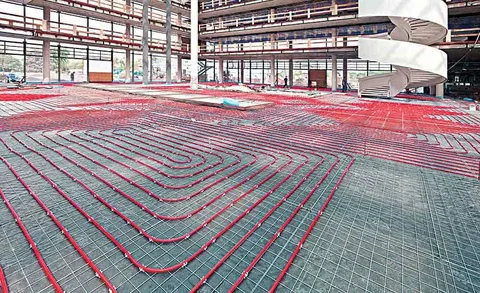
Modern architectural designs often feature open layouts and expansive glass surfaces, which can result in significant heat loss. Radiant-heating systems address this challenge by transferring heat directly to objects and people rather than warming the air, thus ensuring more effective heat retention. The installation of radiant heating beneath flooring materials such as tile or stone creates a thermal layer that aids in maintaining consistent warmth, even in spaces with challenging layouts.
The absence of forced air movement reduces heat escape through poorly sealed windows or doors. Radiant heating proves particularly effective in environments with high ceilings, as it eliminates the issue of warm air rising and becoming trapped overhead. This direct heating approach not only optimises energy efficiency but also ensures that heat is distributed precisely where it is needed. Such features make radiant heating an excellent solution for modern spaces seeking to balance contemporary design with effective thermal performance.
Choosing an Electric Radiant Heating System
Selecting an electric radiant heating system involves evaluating several key aspects to ensure suitability for the intended space. One important consideration is the type of area being heated, as these systems are particularly well-suited for spaces where precise temperature control is advantageous, such as bathrooms or kitchens. The ease of installation makes them a practical option for retrofitting into existing buildings with minimal disruption.
Attention should be given to the insulation and energy efficiency of the building, as this impacts the overall performance of the system. Pairing the system with renewable energy sources can further enhance environmental benefits. Another critical factor is compatibility with smart home technology, which allows for programmable settings and remote control, ensuring energy use is optimised.
Understanding the power capacity required to match the room size and heat demands is equally essential, as it ensures effective warmth distribution without unnecessary energy consumption. These considerations contribute to a practical and efficient heating solution.
Where Radiant Heating Works Best
Radiant-heating systems excel in various environments due to their ability to provide consistent and targeted warmth. They are particularly suited to spaces where traditional heating methods struggle to perform effectively. For instance, areas with tiled or stone flooring benefit greatly, as the heat conduction properties of these materials enhance the system’s performance.
Similarly, spaces with high ceilings or large windows, which often experience uneven heating with conventional systems, achieve better temperature regulation through radiant heating. The absence of air circulation ensures that draughts are minimised, making these systems ideal for maintaining a stable and comfortable environment.
Bathrooms and kitchens are common locations where radiant heating adds value by eliminating the discomfort of cold surfaces. This technology is also effective in properties with open-plan layouts, where creating an evenly heated space can be challenging. Furthermore, its unobtrusive design integrates seamlessly with modern architectural aesthetics, making it an appealing option for contemporary residential and commercial settings.
Comparing Indoor and Outdoor Heating Needs
Indoor and outdoor heating requirements differ significantly due to environmental conditions and usage purposes. Indoor heating focuses on maintaining consistent and even warmth within enclosed spaces, ensuring comfort throughout the entire area. Radiant systems for indoor use are often integrated into floors or walls, delivering heat directly to surfaces and objects for maximum efficiency.
In contrast, outdoor heating systems must contend with exposure to natural elements, such as wind and fluctuating temperatures. Outdoor radiant-heaters are designed to emit infrared heat that targets specific areas, making them effective for patios, terraces, and other open-air environments. These systems provide focused warmth that enhances usability in outdoor spaces without the inefficiencies caused by heat dispersion.
While indoor systems often aim for long-term temperature regulation, outdoor systems prioritise creating comfortable zones for shorter periods. The difference in design and functionality reflects the distinct challenges and goals associated with heating enclosed interiors versus open-air settings, ensuring tailored solutions for each environment.
Applications of Outdoor Radiant Heaters
Outdoor radiant-heaters are widely employed to enhance comfort in open-air environments, particularly during cooler months. Outdoor radiant heaters are effective in extending the usability of outdoor areas such as patios, terraces, gardens, or verandas, creating warm and inviting spaces for relaxation or social gatherings. In commercial settings, they are commonly utilised in al fresco dining areas, outdoor lounges, or event venues to ensure patrons remain comfortable regardless of the weather.
Designed to deliver targeted infrared heat, they function effectively even in breezy conditions, overcoming the challenges faced by traditional heating systems in exposed settings. Their versatility allows them to be installed in a variety of configurations, including wall-mounted or freestanding options, depending on the layout of the space. With straightforward installation and a capacity to focus heat on specific zones, these heaters enhance both residential and commercial outdoor experiences.
Lower Energy Use and Household Savings
Radiant-heating systems are designed to deliver targeted warmth efficiently, reducing overall energy consumption. By operating at lower temperatures than conventional heating methods, these systems optimise energy usage without compromising on comfort. The direct transfer of heat to objects and surfaces eliminates the need to warm large volumes of air, minimising energy waste.
Zonal heating capabilities allow for specific areas to be heated individually, ensuring that energy is not expended on unused spaces. This level of control provides a tailored heating solution that matches the specific needs of a household.
Over time, the reduced energy requirements contribute to noticeable savings on utility bills. Additionally, the compatibility of these systems with modern energy management tools and renewable energy sources can further enhance their efficiency, aligning with contemporary goals for sustainability and cost-effectiveness in residential heating solutions.
Installation Factors for Efficient Heating
Proper installation of a radiant-heating system is vital for achieving optimal performance and energy efficiency. Key considerations include the selection of suitable heating elements and their placement to ensure even heat distribution. The type of flooring material significantly impacts the system’s effectiveness, with conductive options such as tile or stone being particularly advantageous.
Adequate insulation beneath and around the heating elements is essential to prevent unnecessary heat loss and improve overall efficiency. Attention should also be given to zoning the system, allowing different areas to be heated independently based on usage patterns.
Incorporating advanced controls, such as programmable thermostats, enhances the system’s functionality by enabling precise temperature adjustments. Professional installation ensures that all components are correctly integrated, reducing the risk of inefficiencies or malfunctions, thereby supporting the long-term reliability and effectiveness of the heating solution.
Comfort Benefits of Even Heat Distribution
Radiant-heating systems excel in delivering consistent warmth throughout a space by eliminating temperature variations commonly found with traditional heating methods. This even distribution ensures that all areas within a room maintain a uniform temperature, enhancing overall comfort. The absence of air movement prevents the creation of draughts, contributing to a more stable and relaxing environment. By warming surfaces and objects directly, radiant heating avoids the hot and cold zones often associated with air-based systems.
This method is particularly beneficial for reducing the chill of cold floors, especially in spaces with materials such as tile or stone. Furthermore, the gentle and steady nature of radiant heat provides a soothing thermal experience, creating a balanced and inviting atmosphere in both residential and commercial settings, while integrating seamlessly with contemporary interior design preferences.
Choosing an Electric Radiator Heater for Indoor Comfort
Selecting an electric radiator heater requires careful consideration of various factors to ensure optimal performance and suitability for the intended space. One important aspect is determining the appropriate heating capacity based on the size and insulation of the room. Models equipped with multiple heat settings and programmable timers allow for greater flexibility in operation, enabling efficient energy use.
Safety features, such as thermal cut-offs and tip-over protection, are essential for secure usage, particularly in households with children or pets. The design and portability of the heater can enhance its functionality, making it easier to position the device where it is most effective. Electric radiator-heaters are particularly well-suited for supplementary heating in areas where additional warmth is required, offering a practical solution for enhancing indoor comfort without significant adjustments to the overall heating system.
Conclusion
Radiant-heating systems exemplify modern heating innovation by prioritising efficiency and targeted warmth. Their ability to transfer heat directly to surfaces and objects minimises energy loss and ensures consistent temperature distribution. This advanced approach supports diverse applications, from indoor spaces requiring even heating to outdoor areas needing focused warmth. By reducing reliance on air circulation, these systems contribute to improved air quality and a reduction in allergens. The adaptability of radiant heating aligns well with contemporary architectural designs, offering seamless integration and optimal performance. Through careful system selection and professional installation, this technology serves as an effective solution for achieving energy efficiency, environmental sustainability, and enhanced comfort.
FAQs
What defines a radiant heating system?
A radiant heating system transfers warmth through infrared energy, directly heating surfaces and objects to maintain consistent temperatures.
How does an electric radiant-heating system function?
An electric radiant-heating system provides efficient heating by emitting infrared heat to specific areas, avoiding energy loss from heating air.
What are the uses of outdoor radiant-heaters?
Outdoor radiant-heaters enhance comfort in open-air spaces by focusing warmth on designated zones, even in challenging weather conditions.
Why is radiant heating energy-efficient?
Radiant heating consumes less energy by operating at lower temperatures and delivering targeted heat, reducing unnecessary energy expenditure.
What are ideal locations for radiant heating?
Radiant heating is particularly effective in areas with high ceilings, tiled floors, or open layouts where consistent warmth is needed.
How to select an electric radiator-heater?
Factors like room size, heating capacity, energy efficiency, safety features, and adjustable settings influence the suitability of an electric radiator-heater.
| Related Business Listings |
| Contact Directory |
| Local Business Profiles |