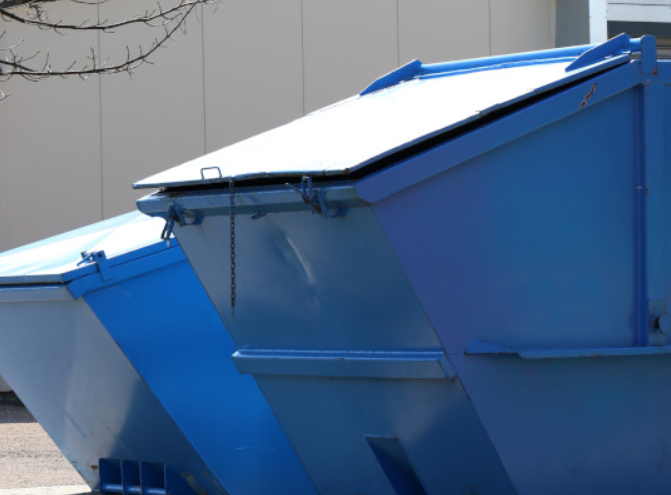
Understanding Rear Load Dumpsters
Rear load dumpsters are among the most widely used waste collection containers for businesses, commercial properties, restaurants, retail stores, apartment complexes, and industrial facilities. These containers are designed to be emptied by specialized garbage trucks that lift and unload waste from the rear of the vehicle.
Due to their durability, convenience, and space-efficient design, rear load dumpsters have become an essential component of modern commercial waste management systems. They provide a reliable solution for handling daily waste generation while supporting cleaner and safer business environments.
Rear load dumpsters offer an effective and cost-efficient method for managing routine commercial waste collection across a wide range of industries.
What Are Rear Load Dumpsters?
A rear load dumpster is a commercial waste container designed for regular waste collection. Waste collection trucks approach the container from the rear, connect lifting mechanisms, and empty the contents into the truck.
These dumpsters are commonly used for:
- Retail stores
- Restaurants
- Office buildings
- Shopping centers
- Apartment communities
- Warehouses
- Educational facilities
- Healthcare properties
Rear load dumpsters are designed to accommodate ongoing waste disposal needs while maintaining a compact footprint.
How Rear Load Dumpsters Work
Waste Collection Process
The collection process is straightforward and efficient.
The typical process includes:
- Waste is deposited into the dumpster.
- Collection trucks arrive on a scheduled basis.
- The truck lifts the container using hydraulic equipment.
- Waste is emptied into the truck.
- The dumpster is returned to its original position.
This system allows businesses to maintain consistent waste management operations with minimal disruption.
Scheduled Service
Most rear load dumpsters are serviced on recurring schedules.
Collection frequency may include:
- Daily pickups
- Multiple pickups per week
- Weekly service
- Customized schedules
Service schedules are typically based on waste volume and business requirements.
Common Sizes of Rear Load Dumpsters
Rear load dumpsters are available in various sizes to accommodate different waste generation levels.
Small Rear Load Dumpsters
Smaller units are suitable for businesses with limited waste production.
Common applications include:
- Small offices
- Convenience stores
- Boutique retailers
Medium Rear Load Dumpsters
Medium-sized dumpsters are often used by:
- Restaurants
- Medical offices
- Retail stores
- Apartment communities
Large Rear Load Dumpsters
Larger containers are designed for properties generating significant waste volumes.
Examples include:
- Shopping centers
- Industrial facilities
- Large office complexes
- High-traffic commercial properties
Dumpster Size Overview
| Business Type | Recommended Dumpster Capacity |
|---|---|
| Small Office | Small Capacity |
| Retail Store | Medium Capacity |
| Restaurant | Medium to Large Capacity |
| Apartment Complex | Large Capacity |
| Industrial Facility | Large Capacity |
Selecting the appropriate dumpster size helps optimize waste management efficiency and control costs.
Benefits of Rear Load Dumpsters
Space-Efficient Design
Rear load dumpsters are designed to fit into compact areas behind commercial buildings.
Benefits include:
- Reduced space requirements
- Easy placement
- Improved site organization
- Enhanced property appearance
Reliable Waste Collection
Scheduled service ensures waste is removed consistently.
Advantages include:
- Reduced overflow risks
- Cleaner properties
- Improved sanitation
- Better customer experiences
Cost-Effective Waste Management
Rear load dumpsters are often a cost-effective solution for businesses with ongoing waste disposal needs.
Cost-saving benefits may include:
- Lower transportation costs
- Reduced labor requirements
- Predictable service schedules
- Efficient waste handling
Improved Workplace Safety
Proper waste containment reduces hazards associated with loose debris and overflowing trash.
This contributes to:
- Safer work environments
- Cleaner loading areas
- Reduced pest activity
- Better operational efficiency
Industries That Use Rear Load Dumpsters
Restaurants and Food Service Businesses
Restaurants generate substantial amounts of daily waste.
Common materials include:
- Food waste
- Packaging
- Cardboard
- Disposable containers
Rear load dumpsters provide reliable collection for high-volume food service operations.
Retail Stores
Retail businesses frequently dispose of:
- Shipping materials
- Packaging waste
- Cardboard boxes
- General trash
Rear load dumpsters help maintain clean storefronts and stockroom areas.
Office Buildings
Office properties generate consistent waste streams that require dependable disposal solutions.
Common office waste includes:
- Paper products
- Packaging materials
- Breakroom waste
- General refuse
Apartment Communities
Multifamily properties often rely on rear load dumpsters to manage waste generated by residents.
Benefits include:
- Centralized waste collection
- Convenient resident access
- Consistent service schedules
Industrial Facilities
Industrial operations frequently use rear load dumpsters for non-hazardous waste generated during manufacturing and operational activities.
Rear Load Dumpsters vs. Front Load Dumpsters
Many businesses compare rear load dumpsters with front load alternatives when selecting waste management solutions.
Rear Load Dumpster Advantages
Rear load dumpsters often provide:
- Easier access for users
- Flexible placement options
- Efficient waste collection
- Suitable solutions for various property layouts
Front Load Dumpster Advantages
Front load containers may be preferred when:
- Space is highly restricted
- Automated collection systems are utilized
- Waste generation patterns differ
Comparison Table
| Feature | Rear Load Dumpster | Front Load Dumpster |
| Collection Method | Rear-loading truck | Front-loading truck |
| Accessibility | High | Moderate |
| Placement Flexibility | Excellent | Good |
| Commercial Applications | Wide Range | Wide Range |
| Service Frequency | Customizable | Customizable |
The ideal solution depends on property design, waste volume, and operational requirements.
Materials Commonly Accepted in Rear Load Dumpsters
Rear load dumpsters are generally used for non-hazardous waste materials.
Commonly accepted materials include:
- General business waste
- Cardboard
- Paper products
- Packaging materials
- Food service waste
- Non-hazardous debris
Businesses should always review disposal guidelines before using a dumpster.
Materials Typically Restricted
Certain items often require specialized disposal methods.
Examples may include:
- Hazardous chemicals
- Automotive fluids
- Batteries
- Paint products
- Medical waste
- Certain electronic equipment
Proper disposal of restricted materials helps protect the environment and maintain compliance with regulations.
Recycling Programs and Rear Load Dumpsters
Supporting Sustainable Waste Management
Many organizations use rear load dumpsters as part of broader recycling initiatives.
Recyclable materials may include:
- Cardboard
- Paper
- Metal
- Plastic containers
Benefits of Recycling Integration
Combining recycling programs with dumpster services can provide:
- Reduced landfill usage
- Lower disposal costs
- Improved sustainability performance
- Enhanced environmental responsibility
Businesses that incorporate recycling alongside rear load dumpster services often achieve stronger waste diversion results and sustainability outcomes.
Factors to Consider When Choosing Rear Load Dumpsters
Waste Volume
Understanding the amount of waste generated is essential when selecting a dumpster.
Organizations should evaluate:
- Daily waste output
- Weekly collection requirements
- Seasonal fluctuations
Available Space
Property layout influences dumpster placement options.
Businesses should ensure:
- Easy collection access
- Safe placement areas
- Minimal disruption to operations
Collection Frequency
Selecting the appropriate pickup schedule helps prevent overflow and maintain cleanliness.
Future Growth
Businesses should anticipate future waste management needs when choosing dumpster capacities and service plans.
Best Practices for Using Rear Load Dumpsters
Train Employees
Employees should understand proper waste disposal procedures.
Training may include:
- Accepted materials
- Recycling guidelines
- Safety practices
Prevent Overloading
Overfilled dumpsters can create safety concerns and collection challenges.
Businesses should ensure waste remains within designated capacity limits.
Separate Recyclables
Recycling programs can improve sustainability and reduce disposal costs.
Separating recyclable materials before disposal is a recommended practice.
Maintain Clean Dumpster Areas
Keeping surrounding areas clean improves property appearance and minimizes pest activity.
Technology and Modern Waste Management
Route Optimization
Advanced routing systems help improve collection efficiency and reduce fuel consumption.
Benefits include:
- Faster service
- Reduced emissions
- Improved operational performance
Digital Service Management
Modern waste management systems often allow businesses to:
- Schedule pickups
- Track service activity
- Access reporting tools
- Manage accounts online
Waste Analytics
Data-driven insights help organizations identify opportunities to improve waste reduction and recycling performance.
Why Rear Load Dumpsters Remain Popular
Consistent Performance
Rear load dumpsters have demonstrated reliability across various industries and property types.
Versatility
Their adaptability makes them suitable for numerous commercial applications.
Cost Efficiency
Businesses often benefit from predictable waste management expenses and efficient collection services.
Long-Term Waste Management Solutions
Rear load dumpsters continue to serve as a dependable component of commercial waste management programs.
Conclusion
Rear load dumpsters are a practical and effective solution for businesses seeking reliable waste management services. Their space-efficient design, flexible collection schedules, and compatibility with various industries make them one of the most widely used commercial waste containers available.
From restaurants and retail stores to office complexes and industrial facilities, rear load dumpsters support cleaner properties, improved safety, and efficient waste handling. As organizations continue to prioritize operational efficiency and sustainability, rear load dumpsters remain a valuable tool for achieving responsible and cost-effective waste management goals.