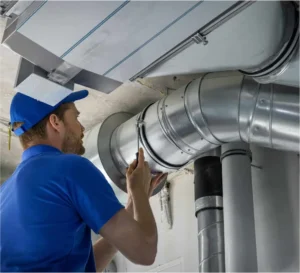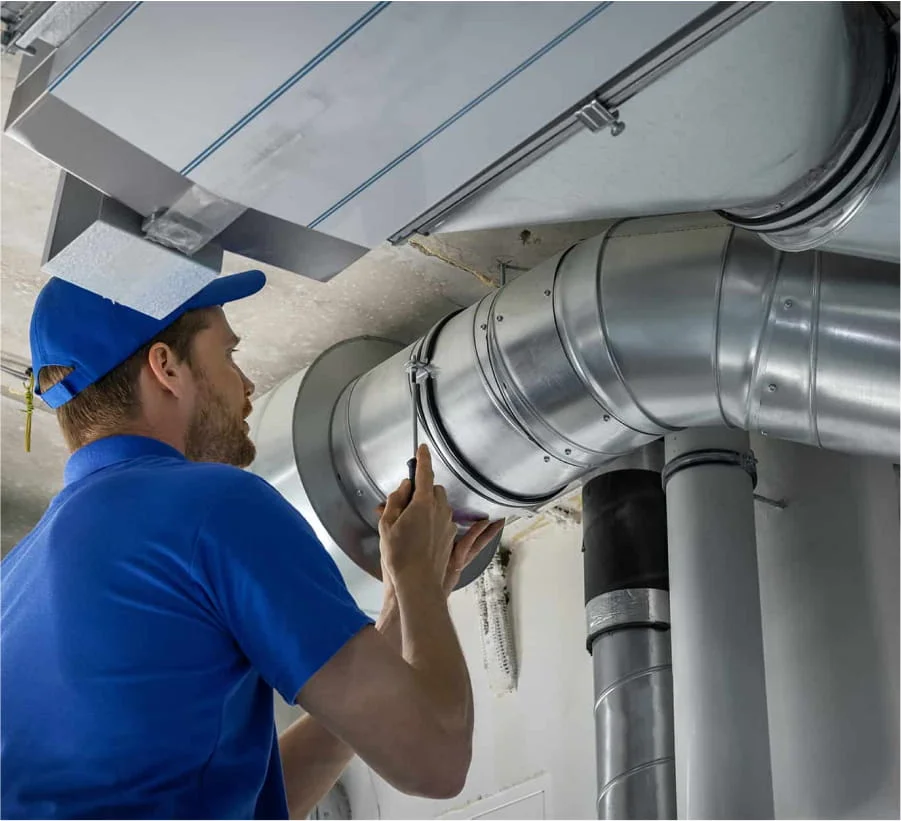
A reliable heating system is essential for maintaining a comfortable indoor environment during colder months. While many homeowners focus on their furnace, heat pump, or thermostat, the ductwork that carries warm air throughout the property is equally important. When heating ducts become damaged, disconnected, or poorly sealed, some rooms may remain cold while the heating system works harder to maintain the desired temperature.
Knowing when to repair heating ducts can help restore proper airflow, improve heating performance, and reduce unnecessary energy waste. Whether you have noticed cold spots, weak airflow, unusual noises, or rising heating bills, damaged ductwork could be one possible cause.
Heating duct problems can develop gradually, and because much of the ductwork is hidden behind walls, above ceilings, or inside roof spaces, the damage may not be immediately visible. A professional inspection can help identify the problem and determine whether a simple repair or a more extensive solution is required.
In this guide, we explain the common signs of damaged heating ducts, what causes ductwork problems, how professional repairs work, how much repairs may cost, and how to maintain your heating system for reliable performance.
What Does It Mean to Repair Heating Ducts?
Heating ducts are part of an HVAC system that distributes warm air from a furnace, heat pump, or other heating equipment to different rooms in a building.
The duct system usually includes supply ducts, which deliver heated air, and return ducts, which carry indoor air back to the equipment for further conditioning.
Over time, heating ducts can develop leaks, loose connections, crushed sections, damaged insulation, or restrictions that interfere with airflow.
To repair heating ducts, a technician identifies the source of the problem and applies an appropriate solution. Depending on the damage, this may involve sealing leaking joints, reconnecting loose sections, repairing insulation, removing restrictions, or replacing a damaged portion of ductwork.
For example, a small leak at a duct connection may only require suitable sealing. A disconnected duct may need to be reattached and secured, while a severely crushed or deteriorated section may need replacement.
The objective is to restore effective air distribution and ensure the ductwork operates correctly with the heating equipment.
Not every heating problem originates in the ducts, so accurate diagnosis is important before any repair work begins.
Common Signs Your Heating Ducts Need Repair
Recognizing the warning signs of duct damage can help you address problems before they affect the comfort of your entire home.
1. Some Rooms Are Colder Than Others
One of the most common signs of a potential heating duct problem is uneven indoor temperatures.
You might notice that your living room feels warm while a bedroom or home office remains cold, even when the thermostat setting has not changed.
This can happen when heated air escapes through leaking connections or when a duct is crushed, disconnected, or restricted.
However, uneven heating can also result from inadequate insulation, drafty windows, closed dampers, or an improperly sized heating system.
A professional inspection can help determine whether duct repairs will resolve the issue.
2. Weak Airflow From Heating Vents
If little warm air comes from a vent, the duct supplying that room may be damaged or obstructed.
Common causes include disconnected duct sections, crushed flexible ducts, internal blockages, and significant air leaks.
Weak airflow can also be caused by a dirty filter, a malfunctioning blower, or a problem with the heating equipment.
Check accessible vents and replace the air filter according to the manufacturer’s recommendations. If the problem continues, arrange an inspection to identify the underlying cause.
3. Higher Heating Bills
Leaking heating ducts can allow warm air to escape into unheated areas, such as roof spaces, crawl spaces, or wall cavities.
This reduces the amount of heated air reaching the rooms where it is needed and may cause the heating system to operate longer.
An increase in heating costs does not automatically mean your ductwork is damaged. Weather conditions, energy prices, thermostat settings, and equipment efficiency can also influence bills.
However, when higher energy consumption occurs alongside uneven heating or weak airflow, checking the ducts may be worthwhile.
4. Unusual Noises From the Ductwork
Rattling, whistling, banging, or fluttering noises can indicate loose duct connections, unsecured sections, air restrictions, or pressure imbalances.
Some noises may originate from the furnace or blower rather than the ductwork itself.
A qualified technician can inspect the system and determine whether the sound is caused by damaged ducts, loose supports, or another mechanical issue.
5. Dust Around Heating Vents
Dust around vents may result from ordinary household dust, dirty registers, inadequate filtration, or air leakage.
In some systems, leaks can allow dusty air from surrounding spaces to enter the ductwork.
However, dust around a vent alone does not confirm that the heating ducts need repair or cleaning.
A professional can assess the condition of the ductwork and recommend the appropriate solution.
6. Visible Damage to Ducts
Ducts located in accessible roof spaces, basements, garages, or utility areas may show signs of damage.
Look for torn flexible duct material, disconnected joints, crushed sections, deteriorated insulation, or loose supports.
If you notice visible damage, avoid pulling or repositioning the ductwork yourself, particularly in confined areas or near electrical equipment.
A professional can determine whether the damaged section can be repaired safely.
What Causes Heating Ducts to Become Damaged?
Understanding why ductwork fails is important because addressing the cause can help prevent the same problem from returning.
Aging Duct Materials
Ductwork can deteriorate over time due to temperature changes, vibration, moisture, and general wear.
Flexible ducts may develop tears or weakened connections, while metal ducts can experience corrosion under unsuitable conditions.
The extent of deterioration depends on the duct material, installation quality, environment, and maintenance history.
Poor Installation
Incorrectly installed ductwork can cause problems from the beginning.
Ducts that are too small, excessively long, sharply bent, or poorly supported may restrict airflow or place additional strain on connections.
Inadequate sealing can also allow heated air to escape.
If the original installation is responsible, the repair may need to address the layout or support system rather than simply sealing a visible leak.
Physical Damage
Renovations, plumbing work, electrical projects, and activity in roof spaces can accidentally damage heating ducts.
Flexible ductwork is especially vulnerable to crushing, tearing, and disconnection.
Before starting renovation work, inform contractors about the location of the ductwork to reduce the risk of accidental damage.
Moisture and Condensation
Moisture can damage insulation and contribute to corrosion or microbial growth on suitable surfaces.
Condensation may develop when duct surfaces become cold enough for moisture in the surrounding air to condense.
If heating ducts are damaged by moisture, the underlying cause should be identified before repairs are completed.
Otherwise, the same problem may return even after the insulation or duct section has been repaired.
Loose Connections and Failed Seals
Duct sections are joined using suitable connectors, fittings, and sealing materials.
Over time, joints can loosen and seals can deteriorate. Poorly installed connections may also begin leaking.
Professional reconnection and sealing can help restore the system when the surrounding ductwork remains structurally sound.
Benefits of Professional Heating Duct Repairs
Repairing damaged heating ducts can improve system performance, although the results depend on the condition of the ductwork and the cause of the problem.
Improved Heat Distribution
When heated air escapes through leaks or encounters restrictions, some rooms may receive less warm air than intended.
Repairing leaking connections, disconnected sections, or damaged ducts may help restore airflow and improve heat distribution.
This can be particularly useful when the problem affects specific rooms rather than the entire property.
Reduced Energy Waste
Heating systems use energy to warm indoor air. When heated air escapes through leaking ducts, some of that energy is wasted.
Sealing leaks and restoring damaged insulation may reduce unnecessary heat loss.
The potential savings depend on the original condition of the ducts, their location, the heating equipment, and how the system is used.
More Consistent Indoor Comfort
Properly functioning ductwork helps deliver heated air throughout the building.
When duct damage is responsible for cold spots, repairs may help create more consistent temperatures between rooms.
However, other issues, such as poor insulation, drafty windows, or inadequate heating capacity, may also need attention.
Reduced Strain on Heating Equipment
Duct leakage and airflow restrictions can interfere with normal heating system operation.
Correcting these issues may help the equipment operate under more suitable conditions.
If the system continues to struggle after duct repairs, a technician should investigate other possible causes, including filters, blower performance, controls, and equipment condition.
Better Long-Term Reliability
Addressing damaged ductwork promptly can help prevent minor issues from becoming more extensive.
A repaired connection or damaged section may restore performance without requiring a complete duct replacement.
However, severely deteriorated ducts may be more practical to replace than repeatedly repair.
Different Methods Used to Repair Heating Ducts
The appropriate repair method depends on the duct material, the location of the damage, and the overall condition of the system.
Duct Sealing
Duct sealing involves closing leaks around suitable joints, connections, and damaged areas.
Technicians may use purpose-designed duct mastic or compatible sealing systems, depending on the material and application.
Ordinary household tape is generally not a reliable long-term replacement for appropriate duct sealing products.
Before sealing a leak, the technician should check whether the duct is structurally sound and whether the joint needs to be reassembled.
Flexible Duct Repair
Flexible ducts are commonly used in residential heating systems because they can be routed through confined spaces.
They may become crushed, torn, kinked, or disconnected.
A loose connection may be repairable, while a severely damaged section may need replacement.
Proper support and routing are important to prevent unnecessary bends and airflow restrictions.
Metal Duct Repair
Metal ductwork can develop loose joints, damaged seams, corrosion, or physical deformation.
Depending on the condition, repairs may involve reconnecting sections, sealing joints, securing supports, or replacing a damaged component.
If the metal is severely corroded or deformed, replacing the affected section may be more reliable than attempting a temporary repair.
Insulation Repair
Insulation helps reduce heat transfer between heated air inside the duct and the surrounding environment.
Damaged or missing insulation can increase heat loss and contribute to condensation under certain conditions.
Repairing insulation may involve replacing deteriorated material and addressing the source of moisture.
The correct insulation type depends on the duct location, climate, and system requirements.
Duct Reconnection
Ducts can become disconnected because of vibration, inadequate support, loose fittings, or accidental damage.
A technician can reconnect the sections, secure them properly, and seal the joint.
Simply pushing a loose duct back into place without securing it may not provide a reliable repair.
The Process of Professional Heating Duct Repairs
Understanding the repair process can help you prepare for an appointment and know what to expect.
Step 1: Inspecting the Heating System
The technician reviews the symptoms you have noticed, such as cold rooms, weak airflow, unusual noises, or visible duct damage.
They inspect accessible ductwork, connections, insulation, vents, and relevant heating equipment.
Step 2: Identifying the Problem
The technician determines whether the issue involves air leakage, a disconnected section, physical damage, an obstruction, or another system fault.
Depending on the situation, airflow measurements or duct leakage testing may help identify the source.
Step 3: Recommending a Repair
After the inspection, the technician explains the proposed work and whether the duct can be repaired or should be replaced.
You should receive information about the repair method, materials, estimated cost, and any access requirements.
Step 4: Completing the Repair
The technician seals leaks, reconnects loose sections, repairs suitable damage, or replaces components where necessary.
The work should follow applicable safety requirements and relevant installation recommendations.
Step 5: Checking Heating Performance
After the repair, the technician may inspect the connections and check system operation.
Depending on the issue, this may include checking airflow or confirming that heated air reaches the affected rooms more effectively.
Ask whether post-repair testing is included in the service.
How Much Does It Cost to Repair Heating Ducts?
The cost to repair heating ducts depends on the type of damage, accessibility, duct material, and amount of work required.
A small, accessible leak may cost less to repair than damaged ductwork concealed behind ceilings or inside a restricted crawl space.
Several factors influence the total price.
Type of damage: A loose connection may require less work than a torn duct or deteriorated insulation.
Accessibility: Ducts in open utility areas are generally easier to access than those inside confined spaces.
Materials required: The repair may require sealing products, connectors, insulation, or replacement duct sections.
Labour and testing: More complex repairs may require additional inspection time or airflow testing.
Extent of the problem: Multiple damaged sections may increase the cost compared with a single localized repair.
When requesting a quotation, ask whether the price includes inspection, materials, labour, and post-repair checks.
Also ask whether the repair addresses the underlying cause of the problem. The lowest quote may not offer the best long-term value if it only provides a temporary fix.
Compare the scope of work, materials, and any warranty offered before making a decision.
How to Choose a Reliable Heating Duct Repair Specialist
Choosing a qualified HVAC professional helps ensure that repairs are appropriate for your heating system and completed correctly.
Check Qualifications and Experience
Look for a technician or HVAC company with experience repairing the type of ductwork installed in your property.
Ask about relevant licences, insurance, training, and experience with residential or commercial heating systems.
Requirements vary by location and the type of work performed, so confirm that the provider meets applicable local requirements.
Ask About the Inspection Process
A reliable professional should explain how the problem will be diagnosed.
Ask whether the inspection includes checking duct connections, insulation, airflow, and possible restrictions.
If the cause is not immediately obvious, ask whether additional testing may be necessary.
Request a Written Quote
A written quotation should identify the affected sections, proposed repair method, materials, labour, and any additional charges.
If replacement is recommended, ask why repairing the existing duct is not considered suitable.
Read Customer Reviews
Customer feedback can provide insight into workmanship, communication, punctuality, and service quality.
Look for consistent patterns across several reviews rather than relying on a single comment.
Ask About Workmanship Guarantees
Some providers offer warranties or guarantees on specific repairs.
Ask what is covered, how long the coverage lasts, and whether any conditions apply.
Clear written terms help you understand what to expect if the same problem returns.
How to Maintain Your Heating Ducts
Regular maintenance can help reduce the risk of duct problems and support reliable heating performance.
Replace or clean air filters according to the manufacturer’s recommendations. Dirty filters can restrict airflow and affect system operation.
Keep supply and return vents clear of furniture, curtains, and other obstructions.
Arrange an inspection if you notice persistent cold spots, unusual noises, visible duct damage, or unexplained changes in heating performance.
During renovations, inform contractors about the location of ductwork to reduce accidental damage.
If ducts are located in a restricted roof space or crawl space, avoid attempting repairs without suitable access and safety equipment.
Address leaks and condensation promptly, as moisture can damage insulation and duct materials.
Following the manufacturer’s maintenance recommendations and arranging professional inspections when needed can help keep the heating system operating effectively.
Frequently Asked Questions About Repairing Heating Ducts
1. How Do I Know If My Heating Ducts Need Repair?
Common warning signs include cold rooms, weak airflow, unusual noises, visible damage, and unexplained increases in heating bills.
These symptoms can also have other causes, so a professional inspection can help determine whether the ductwork is responsible.
2. Can Leaking Heating Ducts Increase Energy Bills?
Yes. Leaks can allow heated air to escape before it reaches the intended rooms, potentially causing the heating system to run longer.
The effect on energy use depends on the amount of leakage, duct location, insulation, and system operation.
3. Can I Repair Heating Ducts Myself?
Basic maintenance, such as replacing accessible air filters and keeping vents clear, may be suitable for homeowners.
However, repairing concealed ducts, working in crawl spaces, handling insulation, or modifying HVAC components can involve safety and performance risks.
Professional assistance is advisable when damage is difficult to access or the cause is uncertain.
4. Should Damaged Heating Ducts Be Repaired or Replaced?
The decision depends on the extent of the damage, the duct material, and the condition of the existing system.
A small leak or loose connection may be repairable, while a severely crushed, torn, or deteriorated section may need replacement.
A qualified technician can explain the most practical option.
5. How Long Do Heating Duct Repairs Take?
The duration depends on the location and severity of the damage.
A small, accessible repair may take much less time than repairing concealed ductwork or replacing multiple damaged sections.
Your technician should provide an estimated timeframe after inspecting the system.
6. Will Repairing Heating Ducts Make My Home Warmer?
Repairs may improve indoor comfort when damaged or leaking ducts are preventing heated air from reaching certain rooms.
However, cold rooms can also result from poor insulation, drafty windows, or insufficient heating capacity.
Accurate diagnosis helps determine whether duct repairs will address the problem.
7. How Often Should Heating Ducts Be Inspected?
There is no single inspection schedule suitable for every heating system.
Inspection frequency depends on the ductwork’s age, condition, location, operating environment, and previous problems.
Arrange an inspection if you notice performance changes or visible damage, and follow the maintenance recommendations provided by your HVAC professional.
Conclusion
Maintaining properly functioning heating ducts is essential for distributing warm air throughout your property. When leaks, loose connections, crushed sections, or deteriorated insulation affect system performance, repair heating ducts should be an important consideration.
The right solution begins with identifying the actual cause of the problem. Some issues can be resolved through sealing, reconnection, or insulation repairs, while extensive damage may require replacing affected duct sections.
Before hiring a professional, compare written quotations, check relevant qualifications, and ask how the repair will be evaluated after completion.
With suitable repairs and regular maintenance, you can help your heating system distribute warm air more effectively, reduce unnecessary energy waste, and maintain a comfortable indoor environment throughout the colder months.