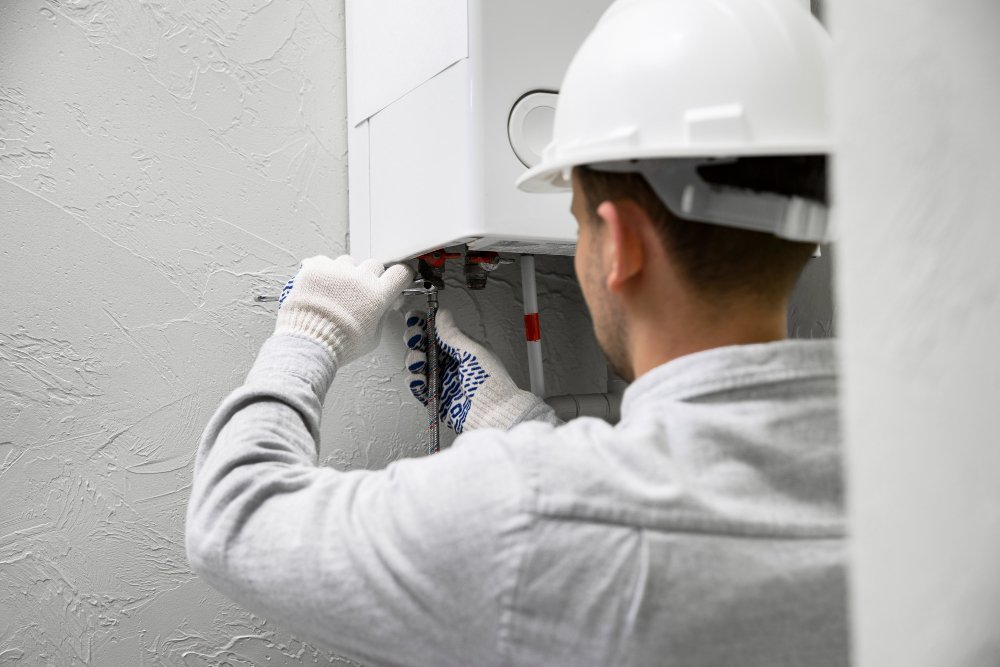
replace water heater
Your water heater picks the worst possible moment to fail. It’s usually a Sunday morning, right before the kids need showers, or the day before you’re hosting Thanksgiving. And once the cold showers start, the very next question is almost always the same: how much is this actually going to cost me?
We hear that question on nearly every emergency call, and the honest answer is, it depends. Not in a vague, dodging-the-question kind of way, but because the final number depends on a handful of real variables we’ll walk through here. So let’s break down what you’re actually paying for, without the sales pitch.
The Short Answer Before the Details
If you want a number to work with before reading further, here it is.
Summary Box: Average Installed Cost Ranges
| Water Heater Type | Typical Installed Cost |
| Standard Tank (Gas or Electric) | $600 to $2,500 |
| Tankless | $1,400 to $3,900 |
| Switching Tank to Tankless | Add $150 to $2,500 in extra labor |
| Permit Fees (California) | $25 to $300, varies by city |
These ranges reflect national data compiled by NerdWallet, and they hold up reasonably well for Southern California, though homes here often land toward the middle or upper end because of stricter code requirements like seismic strapping and thermal expansion tanks.
What Actually Makes Up the Total Price
Here’s something most homeowners don’t realize until they get a quote: the sticker price on the unit itself is only part of the story. It’s a bit like buying a car and forgetting about tax, registration, and the first oil change. The unit is the headline number, but labor and code compliance quietly make up a large chunk of the total.
Equipment Cost vs. Labor Cost
Professional installation labor typically accounts for more than half of the total project cost. That’s not padding, it reflects the actual work involved: draining and disconnecting the old unit, hauling it out, running new connections, meeting current code requirements, and testing everything before they leave.
Tank vs. Tankless
| Feature | Tank Water Heater | Tankless Water Heater |
| Upfront Installed Cost | $600 to $2,500 | $1,400 to $3,900 |
| Lifespan | 10 to 15 years | 15 to 20 years |
| Space Needed | Larger footprint, needs a dedicated area | Wall-mounted, compact |
| Energy Efficiency | Lower, constantly reheats stored water | Higher, heats water only on demand |
| Best For | Budget-conscious replacements, straightforward swaps | Long-term savings, tight spaces, high hot water demand households |
Cost by Water Heater Type
Standard Tank Water Heaters
A typical 40 to 50-gallon gas tank replacement runs somewhere in the $600 to $2,500 range once installation is factored in, according to cost data from NerdWallet. If it’s a straightforward one-for-one swap using the same fuel type and same location, you’re closer to the lower end. Complications like corroded shutoff valves, outdated venting, or a unit that’s hard to access will push the price higher.
Tankless Water Heaters
Tankless units cost more going in, generally landing between $1,400 and $3,900 installed. Part of that gap comes from the labor itself. Angi’s cost research notes that converting from tank-style to tankless can add significant extra labor charges compared to a like-for-like swap, since it often requires new gas lines, venting adjustments, or electrical upgrades.
Why Tankless Costs More Upfront
Think of it like the difference between buying a regular car and a hybrid. The hybrid costs more at the dealership, but it saves you money down the road on fuel. Tankless water heaters work the same way: higher purchase and install cost, but lower monthly energy bills over the unit’s lifespan since they’re not constantly reheating a full tank of standing water.
Hidden Costs Homeowners Forget to Budget For
Q&A: What Adds to the Bill
Q: Why did my quote include a permit fee? A: California requires permits for water heater replacements, and inspectors check for things like proper strapping and pressure relief valves. Expect this to add somewhere between $25 and $300 depending on your city.
Q: My old unit is in a tight attic space. Does that change the price? A: Yes. Difficult access, whether it’s a cramped attic, a closet, or a spot requiring extra maneuvering, adds labor time and typically raises the total cost.
Q: I want to switch from electric to gas. Is that a simple swap? A: Not really. Switching fuel types usually means running new gas lines or electrical work, which can add several hundred dollars or more depending on the distance and complexity involved.
Q: What if my water heater flooded the garage? A: That’s a separate expense entirely. Water damage cleanup can run into the thousands depending on the extent of the flooding, on top of the replacement cost itself.
When You Should Replace Water Heater Instead of Repairing It
Not every failing unit needs a full replacement, but there’s a point where repairing keeps throwing good money after bad. If your unit is past the 10 to 12-year mark, showing rust around the tank base, or needing frequent repairs, it usually makes more financial sense to replace water heater equipment outright rather than patch it repeatedly. An aging tank is also a flood risk waiting to happen, and that’s a far more expensive problem than a planned replacement.
Finding the Right Water Heater Services in Orange County
Not all installs are created equal, and this is one job where cutting corners tends to backfire. A rushed installation without proper permitting or code compliance can void your warranty or create safety issues down the line, particularly with gas connections. When you’re comparing water heater services in Orange County, ask specifically about licensing, permit handling, and whether they’re upfront about the full cost breakdown before starting the work, not just the unit price.
If you’d like to see real examples of installed pricing and what’s included, SJ Plumbing’s water heater installation page breaks down the process and typical costs involved.
Conclusion
A new water heater installed will generally run you anywhere from $600 on the low end for a basic tank swap up to nearly $4,000 for a full tankless conversion, and where you land within that range depends on the unit type, your home’s existing setup, and how much extra work the installation requires. The equipment itself is only part of the bill, labor, permits, and code compliance make up a real chunk of the total too. If your current unit is aging, leaking, or costing more in repairs than it’s worth, it’s usually smarter to replace water heater equipment before it fails on its own terms. And when you’re ready to move forward, working with a team that’s upfront about pricing and handles the permitting properly will save you headaches long after the installation is done.
FAQs
- Is it cheaper to repair my water heater than replace it?
Sometimes, especially if the unit is under 6 years old and the issue is minor, like a faulty thermostat. Past the 10-year mark, replacement usually makes more financial sense long term.
- How long does a water heater installation typically take?
A straightforward tank replacement usually takes 2 to 4 hours. Tankless conversions or setups requiring new gas or electrical lines can take a full day or longer.
- Do tankless water heaters really save money over time?
Yes, generally. They cost more upfront but use less energy since they only heat water on demand, which typically offsets the higher installation cost over several years.
- What size water heater do I actually need?
It depends on household size and hot water usage. A 40-gallon tank often works for 2 to 3 people, while larger households with higher demand usually need 50 gallons or more, or a tankless unit sized for simultaneous use.
- Can I install a water heater myself to save money?
You can, but it’s risky. Skipping proper permitting or code requirements can void manufacturer warranties, create gas or electrical hazards, and cause issues if you ever sell the home.