Air exchangers play an essential role in supporting indoor air quality by continuously replacing stale indoor air with fresh outdoor air. These systems are particularly beneficial in contemporary homes, where tightly sealed construction can limit natural airflow. A hot-air exchanger uses thermal energy transfer to help maintain comfortable indoor temperatures while reducing the energy required for heating or cooling. By facilitating a consistent exchange between indoor and outdoor air, these systems can help remove airborne pollutants while promoting greater energy efficiency throughout residential spaces. The technology used in a residential energy recovery ventilator helps balance effective ventilation with temperature regulation, making it a practical consideration for creating healthier and more comfortable home environments. Understanding how these systems function and the benefits they offer can support their effective integration into modern residential designs.
Exploring the Function of Hot-Air Exchangers
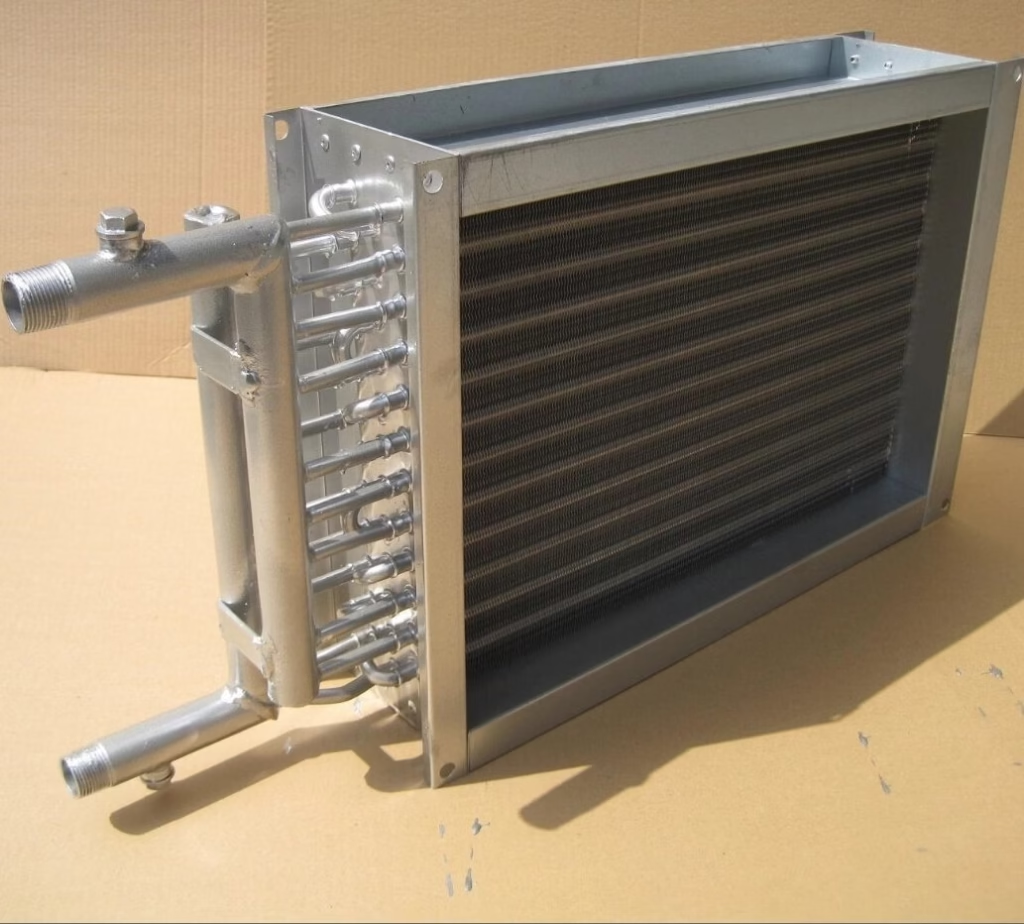
Hot-air exchangers operate by transferring thermal energy between two separate air streams, helping maintain a balanced indoor temperature within a home. The process involves warm, stale outgoing air passing through a heat exchange core, where its thermal energy is captured and transferred to incoming fresh, cooler air. Importantly, the two air streams remain physically separated, preventing contaminants from the outgoing air from entering the incoming airflow.
This heat transfer process not only helps maintain consistent indoor temperatures but also reduces the energy requirements of heating and cooling systems. By efficiently recovering and redistributing thermal energy, these systems provide a practical approach to improving energy efficiency while supporting a comfortable and healthier indoor environment across residential properties.
The Role of a Residential Air to Air Heat Exchanger
A residential air to air heat exchanger is an important component of contemporary residential ventilation, enabling efficient heat transfer while continuously supplying fresh outdoor air. By helping regulate indoor temperatures, these systems support energy efficiency and improved comfort throughout living spaces. They are particularly beneficial in well-insulated homes where natural airflow may be limited. Their design keeps outgoing stale air separate from incoming fresh air, helping maintain cleaner indoor conditions.
By reducing reliance on conventional heating and cooling equipment, these exchangers can also help lower energy consumption. Their operation supports humidity control and helps reduce indoor pollutants, contributing to healthier conditions within homes featuring airtight construction.
Advantages of Energy Recovery Ventilators
Energy recovery ventilators provide an efficient way to improve indoor air quality while supporting reduced energy use. By transferring thermal energy from outgoing air to incoming fresh air, these systems help maintain stable indoor temperatures and reduce dependence on conventional heating or cooling. They can also assist with humidity control, helping limit excess moisture and conditions that encourage mould growth. Filtration further reduces airborne pollutants, contributing to cleaner indoor air.
These systems also enhance residential comfort by providing a continuous supply of fresh air. Their energy-saving operation supports modern sustainability objectives by reducing household energy consumption and encouraging more environmentally responsible living.
Integrating Air Exchangers with Existing Home Systems
Connecting air exchangers with existing home systems requires careful consideration of compatibility and overall functionality. These systems can work alongside HVAC equipment to support improved energy performance and indoor air quality. Appropriate positioning within existing ductwork helps optimise airflow and heat recovery, while selecting a suitable system size supports efficient operation.
The property’s ventilation arrangement and individual requirements can influence how the exchanger is incorporated. Modern features, including smart controls, can also enable the system to connect with automated home technologies, offering greater convenience and control.
Professional installation can help ensure the exchanger operates effectively alongside existing equipment, creating a coordinated setup that balances ventilation, temperature regulation, and energy consumption throughout the home.
Understanding How Heat Exchanger Air to Air Systems Work
The operation of heat exchanger air to air systems involves two separate air streams travelling through individual channels to transfer thermal energy without directly mixing. Warm, stale indoor air moves through the heat exchanger core as it exits the property, allowing its thermal energy to be captured. This recovered energy is then transferred to cooler fresh air entering through the opposite side of the core. Fans maintain steady airflow, while filters help capture dust and other airborne particles.
This ongoing process helps maintain consistent indoor temperatures while improving ventilation and energy efficiency. Keeping the two air streams separate also prevents contaminants from outgoing air from re-entering the home, helping create a cleaner and more controlled indoor environment.
Maintenance Tips for Residential Heat Exchangers
Regular upkeep of residential heat exchangers ensures reliable performance & energy efficiency. Cleaning filters is an essential task, as they capture dust and particulates that could hinder airflow. Inspecting the heat exchange core for debris or build-up helps maintain optimal heat transfer capabilities. Fans and mechanical components should be checked periodically to confirm smooth operation and prevent mechanical faults.
Ventilation ducts also benefit from routine cleaning to minimise blockages or contamination. Advanced systems often include maintenance alerts, aiding in timely servicing. Proper care not only supports efficient operation but also helps avoid unnecessary wear & tear. By maintaining the system’s components in good condition, residential heat exchangers continue to provide reliable air exchange & energy recovery.
Environmental Impact of Air Exchangers
Air exchangers contribute to sustainable living by improving energy efficiency & reducing environmental strain. These systems minimise reliance on traditional heating and cooling methods by recovering heat from outgoing air & transferring it to incoming air, thus lowering energy consumption. This efficient heat transfer process helps reduce greenhouse gas emissions, aligning with efforts to combat climate change. By supporting proper ventilation in airtight buildings, they maintain indoor air quality without necessitating additional energy-intensive methods.
Modern designs focus on maximising energy savings while adhering to eco-friendly standards, making them a valuable component in residential sustainability strategies. The integration of advanced technology further enhances their effectiveness, ensuring that environmental benefits are achieved without compromising functionality or indoor comfort.
Technological Developments in Heat Exchangers
Technological developments in heat exchangers have resulted in highly efficient and environmentally responsible systems. Improved materials used in heat exchange cores enhance thermal conductivity, supporting more effective heat transfer. Smart sensors and automated controls enable real-time adjustments, allowing precise operation while reducing unnecessary energy consumption. Integration with smart home technology also supports convenient monitoring and system adjustments through digital interfaces.
Innovative designs have produced compact units that are easier to install and maintain without compromising performance. These developments contribute to improved durability and operational reliability, supporting dependable long-term use. Ongoing research continues to focus on increasing energy recovery rates and introducing sustainable materials, reflecting the growing emphasis on environmentally conscious design within residential technologies.
Cost Factors for Homeowners
The cost of installing an energy recovery ventilator includes the initial purchase and installation expenses, along with potential long-term energy savings. While upfront costs can differ according to system complexity and property size, improved energy efficiency may result in meaningful reductions in utility expenses over time. Certain systems may also qualify for government incentives or energy-efficiency grants, which can help reduce the financial burden for homeowners.
Durable construction and low maintenance requirements can further improve cost-effectiveness by supporting reliable operation with limited ongoing expenses. Considering these factors allows homeowners to assess the long-term value of incorporating energy recovery ventilation systems into their residential properties.
Air Exchanger Safety and Hot Air Exchanger Selection
Proper safety measures in air exchangers are supported through features such as sealed systems that prevent contaminated and fresh air streams from mixing. Advanced models may incorporate carbon monoxide detectors and automatic shutoff mechanisms to address potential risks. Installation by trained professionals is essential to ensure safe and reliable operation.
Following manufacturer guidelines and conducting regular maintenance further supports safety by keeping all components functioning correctly. These measures collectively promote the secure and dependable use of air exchangers in residential environments.
Comparing Different Hot Air Exchanger Models
Different models of hot air exchanger differ in design, efficiency, and additional features to accommodate various residential requirements. Important factors to consider include airflow capacity, energy recovery performance, operating noise, and compatibility with existing ventilation systems.
More advanced models may feature programmable controls and improved filtration systems that enhance convenience and indoor air quality. Differences in material durability and maintenance requirements can also influence the suitability of individual models. Assessing these variations helps ensure the chosen system matches specific ventilation requirements, energy efficiency objectives, and dependable residential performance.
Addressing Common Air Exchanger Misconceptions
Several misconceptions exist regarding air exchangers, including the belief that they are unnecessary in well-insulated homes. In practice, these systems can be particularly useful in modern airtight properties where natural ventilation is restricted. Another common misconception is that air exchangers consume substantial energy to operate; however, they are designed to improve energy efficiency by recovering thermal energy from outgoing air.
Concerns about excessive noise can also be unfounded, as modern designs incorporate features intended to support quieter operation. Clarifying these misconceptions helps demonstrate the practical benefits of air exchangers and their role in maintaining comfortable indoor conditions and better air quality.
Conclusion
Residential energy recovery ventilator systems play an important role in improving indoor air quality and thermal efficiency within contemporary homes. By continuously replacing stale indoor air with fresh outdoor air while recovering thermal energy, these systems help maintain consistent indoor temperatures without placing unnecessary demands on heating and cooling equipment. Integrated filters capture dust, allergens, and pollutants, while also helping manage excess moisture and reduce mould-related risks. Modern developments, including smart integration and environmentally responsible core materials, continue to improve system efficiency. Investing in an energy recovery ventilator can support long-term energy savings, reduced environmental impact, and a healthier living environment for modern homes across Australia.
FAQs
What is a residential energy recovery ventilator?
A residential energy recovery ventilator is a ventilation system designed to replace stale indoor air with fresh outdoor air while recovering energy from the outgoing airflow. It uses an exchange core to transfer heat between the two air streams without mixing them. This process supports balanced ventilation, improved indoor air quality, and greater energy efficiency in well-sealed modern homes.
What are the benefits of integrating an air exchanger with HVAC systems?
Integrating an air exchanger with an HVAC system can improve ventilation while reducing the workload placed on heating and cooling equipment. Fresh incoming air can be pre-conditioned through energy exchange before entering the home, helping maintain comfortable indoor temperatures. Automated controls may also regulate airflow and humidity, supporting a more consistent and energy-efficient indoor environment.
How does a residential air exchanger help control indoor humidity?
A residential air exchanger helps manage indoor humidity by continuously removing stale, moisture-laden air and introducing fresh outdoor air. This ongoing air exchange can reduce excess moisture and limit condensation in living spaces. By supporting better humidity control, the system may also help reduce conditions associated with mould growth and dampness while creating a more comfortable indoor environment.
How does an air to air heat exchanger maintain fresh indoor air?
An air to air heat exchanger maintains fresh air by running incoming & outgoing air streams through separate internal channels. As warm stale air leaves the building, its heat energy transfers to incoming cooler air without mixing the streams. This process ensures continuous air exchange, stabilises indoor temperatures, removes airborne contaminants, and preserves proper hygienic conditions inside the property.
What routine maintenance is required for residential heat exchangers?
Routine maintenance involves inspecting and cleaning or replacing air filters every six to twelve months to avoid airflow blockages. The heat exchange core should be periodically checked for dust build-up to maintain optimal thermal transfer. Qualified technicians should also inspect ductwork, fans, & safety components regularly to ensure efficient, quiet, and reliable performance over time.
| Related Business Listings |
| Contact Directory |
| Local Business Profiles |