Traveling through Morocco by car is one of the best ways to explore the country’s diverse landscapes, from the busy streets of Marrakech to the peaceful Sahara Desert and the scenic Atlas Mountains.
Renting a car gives tourists freedom and flexibility, but driving in Morocco can be challenging if you are unfamiliar with local traffic rules, road conditions, and driving culture. Understanding the basics of safe driving in Morocco will help tourists avoid accidents, fines, and stressful situations. This article provides detailed safe-driving tips for tourists’ car rental in Morocco.
Understand Moroccan Driving Rules Before You Start
Before driving in Morocco, tourists should learn the basic traffic laws. Morocco follows right-hand traffic, meaning you drive on the right side of the road. Speed limits are usually 40–60 km/h in cities, 80–100 km/h on rural roads, and up to 120 km/h on highways, but drivers must always follow posted signs because limits can change quickly.
Seat belts are required for all passengers, and using a mobile phone while driving without hands-free equipment is illegal. Morocco also has a strict zero-tolerance policy for drinking and driving, so tourists should never consume alcohol before driving.
Knowing these rules helps tourists avoid fines, which are common because speed cameras and police patrols are frequently used on highways and near towns.
Always Carry Required Documents
Tourists’ car rental in Morocco must carry all required documents at all times. These usually include:
- Valid driver’s license
- International Driving Permit (recommended for foreigners)
- Passport or ID
- Rental agreement
- Insurance papers
Police checkpoints are common on Moroccan roads, and drivers may be stopped for routine inspections. Having documents ready makes the process quick and easy.
Choose the Right Rental Car
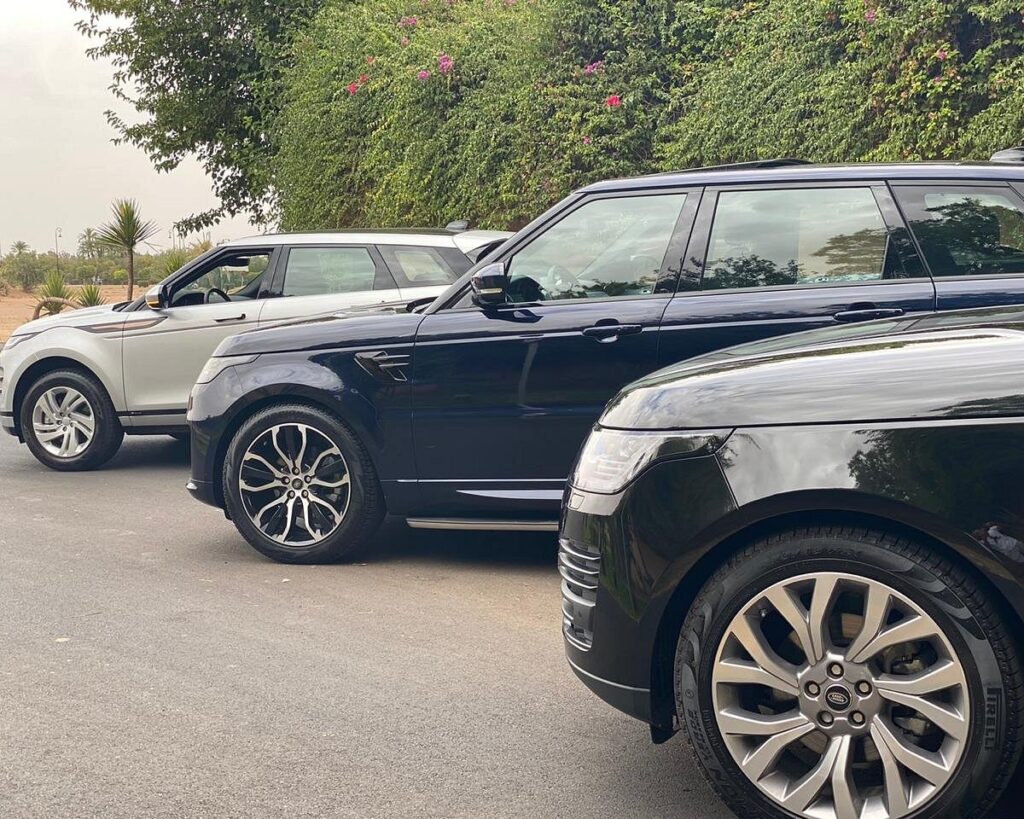
Selecting the right car rental in Morocco is important for safety. If you plan to stay in cities, a small car is easier to park and drive in narrow streets. For mountain roads or desert trips, a stronger vehicle may be better because some roads can be rough or steep.
Tourists should inspect the car carefully before leaving the rental office. Take photos or videos of any scratches or damage, and make sure the insurance coverage is clear. This can prevent problems when returning the car.
Be Extra Careful in Cities
Driving in Moroccan cities can be chaotic for tourists. Traffic may not always follow strict rules, and drivers sometimes change lanes suddenly or ignore signals. Intersections and roundabouts require special attention because the flow of traffic can be unpredictable.
Pedestrians, bicycles, and scooters often share the road, especially in busy areas. Tourists should drive slowly, keep a safe distance, and stay alert at all times.
Watch for Pedestrians, Animals, and Motorbikes
One of the biggest differences tourists notice in Morocco is the presence of pedestrians and animals on the road. In villages and rural areas, it is common to see goats, donkeys, or sheep crossing the street. Children may also play near roads, and people sometimes cross without using crosswalks.
Motorbikes are also very common and may appear suddenly from any direction. Drivers should slow down when entering towns or crowded areas.
Avoid Driving at Night
Night driving in Morocco can be risky, especially outside major cities. Many rural roads have poor lighting, and some vehicles may not use proper headlights. Animals, pedestrians, and parked cars can be difficult to see in the dark.
Tourists are usually advised to travel during daylight whenever possible, particularly in mountain or desert regions.
Use Navigation Apps but Prepare Offline Maps
Navigation apps such as Google Maps or Waze work well in most Moroccan cities and highways, but the signal may disappear in remote areas. Tourists should download offline maps before traveling to rural regions or the desert.
Planning your route helps avoid getting lost and reduces stress while driving.
Follow Speed Limits Carefully
Speed limits in Morocco are strictly enforced, and police often use radar cameras on highways and near towns. Even small violations can result in fines.
When entering villages or city areas, the speed limit may suddenly drop, so drivers should watch for signs and slow down early. Tourists should also remember that speed limits are written in kilometers per hour, not miles.
Driving at a safe speed not only avoids fines but also reduces the risk of accidents.
Stay Calm at Police Checkpoints
Police checkpoints are normal in Morocco and are not a reason to worry. Officers may check documents, ask questions, or inspect the car. Tourists should stay polite, follow instructions, and avoid arguing.
Being respectful usually makes the stop quick and smooth, and most tourists continue their journey without problems.
Park Carefully and Use Official Parking Areas
Parking rules in Moroccan cities may be different from what tourists expect. In many places, local attendants help drivers park and watch the car for a small tip. It is best to park in official or busy areas instead of empty streets.
Avoid blocking roads or parking in restricted zones because fines can be issued quickly in tourist areas.
Plan Long Trips Wisely
Morocco is a large country, and distances between cities can be long. Tourists should check fuel levels, plan rest stops, and avoid driving when tired. Gas stations are easy to find in cities but less common in remote regions.
Taking breaks during long drives improves concentration and makes the trip safer.
Stay Patient and Drive Defensively
The most important tip for tourists is to stay calm and patient. Driving culture in Morocco may be different from your home country, but defensive driving helps avoid problems.
Keep a safe distance, expect unexpected actions from other drivers, and never rush. Safe driving allows tourists to enjoy the beautiful scenery without stress.
Conclusion
Car rental in Morocco can make your trip more exciting and convenient, but safety should always come first. By learning local traffic rules, carrying proper documents, driving carefully in cities, avoiding night travel, and respecting speed limits, tourists can have a safe and enjoyable experience on Moroccan roads.
With good preparation and careful driving, exploring Morocco by car becomes an unforgettable adventure filled with culture, history, and breathtaking landscapes.