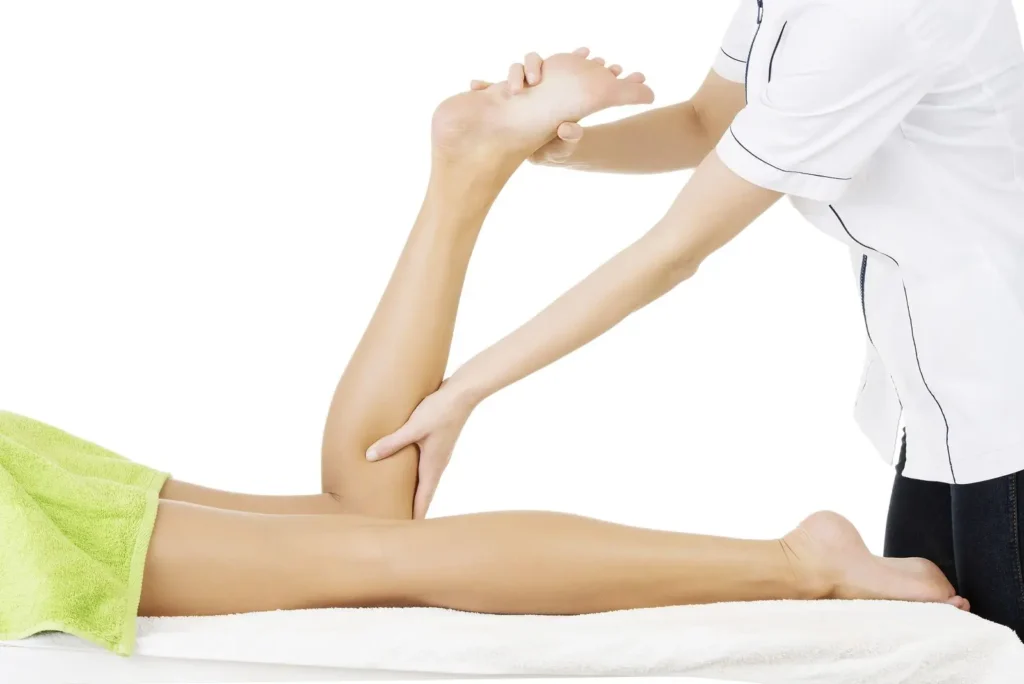
Muscle discomfort, joint stiffness, and movement difficulties can affect almost every part of daily life. Activities such as walking, bending, reaching, lifting, and climbing stairs may become challenging when the body’s muscles, bones, or joints are not functioning properly. Orthopedic Physical Therapy in Leslie is an important option for individuals interested in improving their physical abilities and learning about suitable rehabilitation approaches. Sam’s Physical Therapy, P.C. recognizes the importance of maintaining healthy movement and understanding how physical therapy may support an active lifestyle.
Orthopedic rehabilitation focuses on conditions involving the musculoskeletal system, including muscles, tendons, ligaments, bones, and joints. People may consider this type of treatment after an injury, surgery, or when recurring discomfort begins interfering with their regular activities. Depending on individual needs, rehabilitation may involve strengthening exercises, flexibility training, movement education, and functional activities. Understanding these options can help individuals make informed decisions about their physical wellness and work toward realistic recovery goals.
Understanding the Importance of Orthopedic Physical Therapy
Orthopedic physical therapy focuses on improving movement and physical function when musculoskeletal problems affect everyday activities. During an assessment, a physical therapist may examine joint flexibility, muscle strength, balance, posture, and movement patterns. These observations help identify physical limitations and establish suitable treatment goals. Rather than following a general exercise routine, individuals can receive recommendations based on their current abilities, medical circumstances, and daily responsibilities. This personalized approach makes rehabilitation more relevant to the challenges each person experiences.
Another important benefit is learning how to perform familiar movements with greater comfort and control. Someone experiencing knee stiffness may have difficulty walking, while a person with shoulder limitations may struggle to reach overhead or carry objects. Orthopedic Physical Therapy in Leslie provides a useful starting point for individuals researching professional rehabilitation and ways to address these concerns. Through appropriate exercises and movement guidance, suitable patients may gradually improve their physical abilities and regain confidence during everyday activities.
Common Conditions That May Require Orthopedic Rehabilitation
Musculoskeletal conditions can develop for different reasons, including accidents, sports injuries, repetitive movements, surgical procedures, and changes associated with aging. Back discomfort, neck stiffness, shoulder problems, knee pain, hip limitations, and ankle injuries are examples of concerns that may affect physical performance. Some problems appear suddenly, while others develop gradually and become more noticeable during daily activities. A proper evaluation helps identify the underlying limitations and determine whether orthopedic rehabilitation may be an appropriate part of the individual’s care.
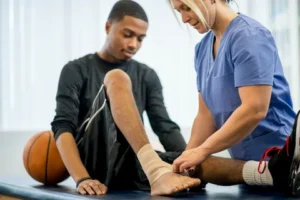
Recovery after surgery or a significant injury may also involve structured physical therapy. Individuals sometimes experience reduced strength, limited flexibility, swelling, or difficulty performing familiar movements during recovery. Rehabilitation can help address these challenges through carefully selected activities and gradual progression based on medical recommendations. Common treatment goals may include:
- Improving joint flexibility and comfortable movement.
- Developing muscle strength and endurance.
- Practicing balance and coordination.
- Restoring confidence during everyday activities.
- Returning gradually to suitable physical routines.
How Personalized Treatment Supports Physical Recovery
Every individual has different physical requirements, health considerations, and expectations when beginning rehabilitation. One person may want to improve walking ability after a knee injury, while another may need to regain shoulder movement following surgery. Personalized treatment begins with understanding these differences and identifying which activities are difficult. An initial evaluation provides useful information about movement limitations and current physical abilities. Based on these findings, a therapist can recommend practical exercises and establish goals that reflect the person’s recovery needs.
A rehabilitation program may include strengthening exercises, stretching, balance activities, functional movement training, and hands-on techniques when clinically appropriate. The difficulty of these activities can change as the individual develops better movement control and physical endurance. Communication is essential throughout treatment because changes in discomfort, swelling, fatigue, or mobility may indicate that certain exercises need adjustment. Following professional instructions and progressing gradually can help individuals participate more confidently while respecting their physical limitations.
The Role of Strength, Flexibility, and Balance
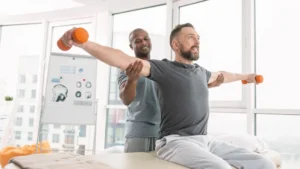
Strength is an important part of maintaining healthy joints and supporting everyday movement. Muscles help stabilize the body and provide the control needed for walking, lifting, standing, and completing household responsibilities. After an injury or period of reduced activity, certain muscle groups may become weaker, making familiar tasks more difficult. Appropriate strengthening exercises can help rebuild physical capacity and improve functional movement. A suitable program should consider the individual’s condition and gradually increase exercise demands as abilities develop.
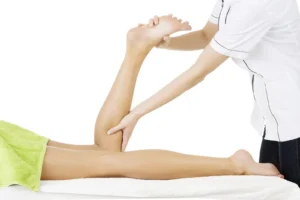
Flexibility and balance are equally important because restricted movement and reduced stability can affect physical confidence. Stretching activities may help address certain mobility limitations, while balance exercises can support coordination and controlled movement. These techniques may be especially useful for individuals who experience difficulty changing positions, walking on uneven surfaces, or performing activities that require stability. A well-planned rehabilitation program considers different aspects of physical function rather than concentrating on only one area of improvement.
Developing Healthy Habits for Long-Term Joint Health
At Sam’s Physical Therapy, P.C. Healthy daily habits can complement orthopedic rehabilitation and support better movement over time. Remaining in one position for extended periods, performing repetitive tasks, or suddenly increasing physical activity may place additional demands on muscles and joints. Taking regular movement breaks, maintaining suitable activity levels, and learning appropriate lifting techniques can help individuals become more aware of their physical habits. People experiencing existing injuries or ongoing discomfort should follow professional recommendations before introducing unfamiliar exercises or demanding activities.
Consistency is another important part of maintaining physical progress. Depending on individual needs, a therapist may recommend home exercises to reinforce techniques practiced during supervised sessions. Adequate rest, gradual increases in activity, and regular communication about symptoms can also support a manageable routine. Helpful habits may include:
- Following the recommended exercise instructions.
- Allowing sufficient recovery time after demanding activities.
- Avoiding sudden increases in exercise intensity.
- Maintaining appropriate movement throughout the day.
- Reporting unexpected changes in physical symptoms.
Conclusion
Orthopedic rehabilitation can be an important part of addressing movement difficulties associated with injuries, joint problems, muscle weakness, and surgical recovery. Understanding the value of professional assessment, guided exercises, and individualized treatment can help people make informed decisions about their physical health. Orthopedic Physical Therapy in Leslie is a useful starting point for individuals exploring ways to improve flexibility, develop strength, and work toward more comfortable everyday movement. The most appropriate treatment depends on the individual’s condition, medical history, and recovery goals.
Sam’s Physical Therapy, P.C. is a relevant business name for individuals researching orthopedic rehabilitation and learning about the importance of maintaining healthy movement. With realistic expectations, appropriate professional guidance, and consistent participation, suitable patients may work toward improved mobility, better coordination, and greater confidence in daily activities. Although recovery experiences differ, developing healthier habits and following recommended treatment strategies can support meaningful progress. Taking an active approach to physical wellness can help individuals maintain their abilities and enjoy a more comfortable and independent lifestyle.