There’s a difference between reading about something and actually understanding it, and few practices illustrate that gap better than the San Pedro ceremony. Search the term online and you’ll find scattered fragments: a Wikipedia entry on a cactus, a handful of travel blogs describing personal experiences, maybe a documentary clip showing a ceremony from a respectful distance. What’s harder to find is a clear picture of where this tradition actually comes from, what happens during a real ceremony, and why it continues to matter to the communities who practice it.
This is worth untangling properly, both for travelers considering the experience and for anyone simply curious about one of the oldest continuously practiced spiritual traditions in the Americas.
Where the Tradition Comes From
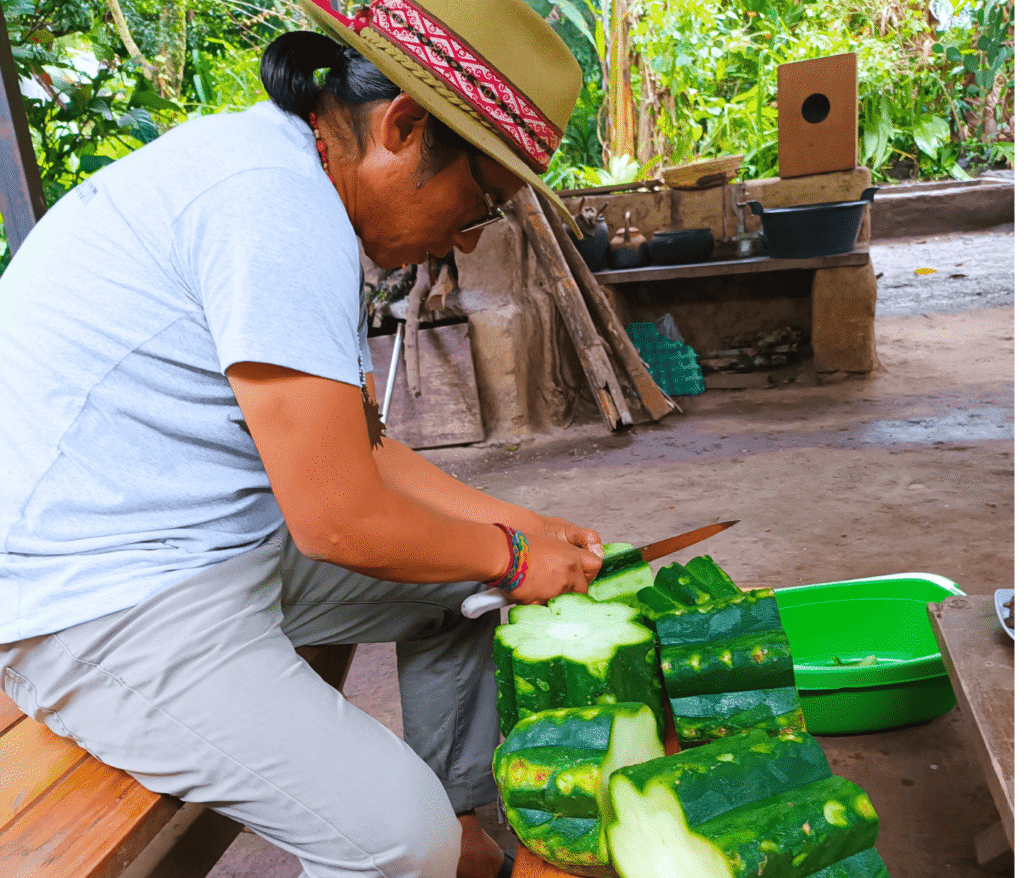
San Pedro, called huachuma in Quechua, is a columnar cactus native to the Andes. Its ceremonial use isn’t a recent development or a modern wellness trend dressed up in old language. Archaeological findings, including ceremonial artifacts and depictions on ancient pottery and textiles, point to huachuma use stretching back more than 2,000 years, predating the Inca Empire by a significant margin.
That long history matters because it shapes how the plant is understood within Andean culture. It isn’t viewed as a substance to be consumed for a specific effect, the way it’s sometimes framed in Western conversations. It’s treated as a teacher plant, part of a broader cosmology in which nature itself holds wisdom, and the ceremony is the structured, respectful way of accessing that relationship. Understanding a San Pedro ceremony without understanding this context is a little like watching a religious ritual with the sound turned off. You see the movements, but you miss what they mean.
The Role of the Curandero
At the center of any traditional San Pedro ceremony is the curandero, sometimes called a maestro — a healer trained over years, often decades, through direct apprenticeship within a lineage. This role isn’t self-appointed or acquired through a weekend course. It’s earned through a long relationship with the plant, with teachers, and with the community the curandero serves.
The curandero’s responsibilities during a ceremony go well beyond simply administering the plant. They set the space, sing icaros throughout the night to guide the energy of the experience, watch over participants closely, and hold the structure that allows a ceremony to unfold safely and meaningfully. This is one of the clearest markers separating an authentic San Pedro ceremony from a diluted, commercialized version: the depth and legitimacy of the person guiding it.
What Actually Happens During a Ceremony
A traditional ceremony typically begins in the late morning or early afternoon and continues for many hours, often into the evening. It usually takes place outdoors, frequently at altitude, in a setting chosen for its natural significance — near mountains, rivers, or sacred sites that hold meaning within Andean tradition.
The structure generally follows a familiar rhythm, even though every ceremony is different in its details. There’s an opening, often involving prayer or an invocation, where the curandero sets intentions for the group and the space. The plant medicine itself is administered early in the ceremony, and the hours that follow are spent in guided reflection, often supported by icaros, the presence of nature, and the quiet attentiveness of the curandero and their assistants.
Participants often describe the experience as a combination of introspection, emotional release, and a heightened sense of connection to their surroundings. This isn’t a passive experience; it asks something of the person going through it. Preparation beforehand and a stable emotional state matter more here than in almost any other kind of retreat activity.
Why the Setting Matters as Much as the Plant
One detail that gets lost in casual conversations about the San Pedro ceremony is how much the physical setting shapes the experience itself. This isn’t a ceremony that transplants well into a generic retreat center or a converted hotel conference room. The tradition developed in the Andes, and the Sacred Valley in particular continues to be treated as ceremonially significant ground, shaped by centuries of ritual practice within the surrounding communities.
This is part of why authentic ceremonies remain concentrated in specific regions of Peru rather than spreading evenly across every retreat destination that has adopted the practice. The landscape itself is considered part of the ceremony, not simply a scenic backdrop for it.
Preparation and Integration Are Part of the Tradition
A common misunderstanding is treating the ceremony as an isolated event — something that starts when the plant is administered and ends when its effects fade. Within the tradition, preparation and integration are just as important as the ceremony itself.
Preparation often involves dietary guidelines in the days leading up to the ceremony, along with intention-setting and, in many traditional settings, guidance from the curandero on what to expect and how to approach the experience mentally. Integration afterward gives space to process what surfaced during the ceremony, since intense emotional or reflective experiences don’t always resolve neatly the moment the ceremony ends.
Retreats and guides that skip either of these stages are offering an incomplete version of the tradition, even if the ceremony itself is technically authentic. This is one of the details worth asking about directly before choosing where to experience a San Pedro ceremony, since the surrounding structure shapes the outcome as much as the ceremony night itself.
A Tradition, Not a Trend
Perhaps the most important thing to understand about the San Pedro ceremony is that it existed long before international interest discovered it, and it will continue long after that interest shifts elsewhere. Approaching it with genuine respect, curiosity, and openness — rather than as a novelty experience to check off a list — tends to shape not just how meaningful the ceremony feels, but how appropriately it’s treated by everyone involved, including the communities who have preserved this tradition for generations.
For anyone drawn to this practice, understanding its history, its structure, and the depth behind the role of the curandero is the foundation for approaching a San Pedro ceremony the way it’s meant to be experienced: not as a quick spiritual souvenir, but as a genuine encounter with one of the oldest living traditions in the Andes.
Frequently Asked Questions
- What does San Pedro mean in the context of the ceremony? San Pedro refers to a columnar cactus known as huachuma in Quechua, used in Andean spiritual and healing traditions for thousands of years. The ceremony refers to the structured, guided ritual built around its use.
- Who leads a traditional San Pedro ceremony? A curandero, or maestro, leads the ceremony. This is a trained healer who has typically spent years or decades apprenticing within a lineage, learning to guide ceremonies safely and meaningfully.
- How long does a San Pedro ceremony usually last? Most traditional ceremonies last many hours, often beginning in the late morning or early afternoon and continuing well into the evening.
- Why is the location of the ceremony considered important? The setting is considered part of the ceremonial experience itself. Regions like the Sacred Valley in Peru hold long-standing spiritual significance within Andean tradition, which is why authentic ceremonies remain concentrated there.
- Is preparation required before a San Pedro ceremony? Yes. Traditional practice typically includes dietary guidelines and intention-setting in the days before the ceremony, along with integration support afterward to help process the experience.
- How is a San Pedro ceremony different from casual or recreational use of the plant? A ceremony is guided, intentional, and rooted in cultural and spiritual tradition, led by a trained curandero within a structured setting. This differs significantly from unsupervised or recreational consumption, which lacks the guidance, safety, and ceremonial context the tradition is built around.