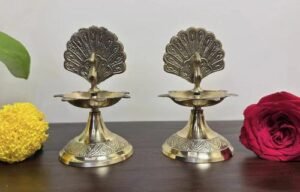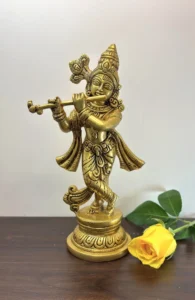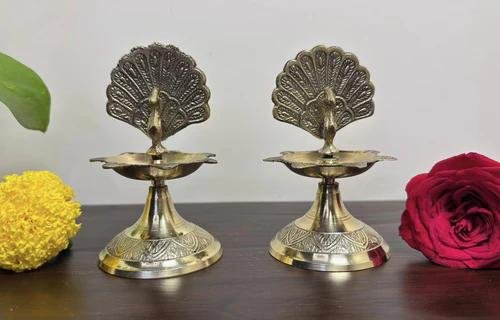
A few years ago, buying pooja items meant a trip to the local market, haggling a bit, and hoping the brass wasn’t just plated. These days, most people just search for online brass pooja items and get it delivered — but that convenience comes with its own problem: how do you actually judge quality through a screen?
At Yathashilpam, this is probably the question we get asked the most. So here’s a more honest breakdown of what to actually look for.
Why Brass Still Dominates the Pooja Essentials Category
Steel and plastic have crept into a lot of Indian kitchens, but when it comes to worship items, brass hasn’t really lost its place. There’s a reason for that — brass carries a certain resonance, literally and symbolically, that other metals don’t quite replicate.
A few things people notice once they switch to brass:
- It doesn’t rust or discolor the way cheaper alloys do
- The sound from brass bells has a distinct, clear ring
- It ages into a richer tone rather than looking worn
- It just feels more “appropriate” for daily rituals, somehow
The Brass Bell — Small Item, Big Difference
If there’s one item that instantly changes the feel of a puja room, it’s a proper brass bell hanging near the entrance or altar. The sound itself is believed to clear the space before rituals begin, but beyond the symbolism, a well-cast brass bell for puja simply sounds better — deeper, cleaner, without that tinny echo cheaper bells often have.
Brass bells from India have actually built something of a reputation abroad too, mostly because the casting techniques used here haven’t really changed much over generations — and that consistency shows in the sound quality.
Things worth checking before buying a brass bell for home temple:
- Does it have a clear, sustained ring or a dull thud?
- Is the handle detailing (often a Garuda or Nandi) sharp and defined?
- Does it feel evenly weighted, not lopsided?
Building a Complete Pooja Essentials Set
Beyond bells, a proper traditional pooja items collection usually includes a diya, kalash, incense holder, and a small thali — pieces that, together, make daily rituals feel less rushed and more intentional. Buying these as a set often works out better than picking items individually, since finish and sizing tend to match more consistently.
Making Pooja Items Online Shopping Actually Work
A few practical tips before you order:
- Check actual dimensions, not just photos — brass items often look bigger in pictures
- Look for weight specifications, since lighter items are usually thinner brass
- Read return policies carefully, especially for engraved or hand-finished pieces
FAQs
Is it safe to buy pooja items online?
Yes, as long as you’re buying from a seller who clearly lists material, weight, and dimensions rather than vague descriptions.
What’s the difference between brass and brass-plated items?
Solid brass lasts for decades and can be repolished; plated items wear off within a year or two of regular use.
How do I clean brass pooja items?
A soft cloth with mild brass cleaner or tamarind paste keeps them shining without damaging detailing.
Which is the most essential item for a new puja setup?
A brass bell and a diya are usually the first two items most households start with.
Where can I find authentic traditional pooja items online?
Yathashilpam offers a curated range of handcrafted brass pooja essentials, including bells, diyas, and kalash sets.
Source url: https://clicktowrite.com/shopping-for-online-brass-pooja-items-heres-what-actually-matters/