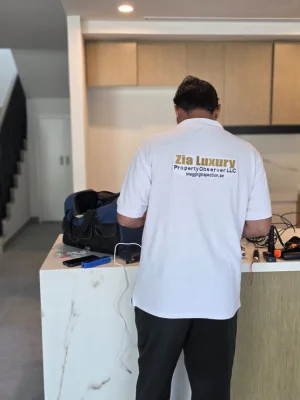
Buying a property is not just about choosing the right location or design. It is also about ensuring that the property is built correctly and safely. Many buyers discover issues only after moving in, when repairs become expensive and stressful. This is why snag and inspect services are an essential step before property handover.
Snag and inspect allows buyers to identify defects early and ensure that the property meets expected standards. It is a simple process that provides long-term benefits and peace of mind.
What Is Snag and Inspect in Property Inspection?
Snag and inspect is a professional inspection process carried out before final handover. The purpose is to find construction defects, poor workmanship, or incomplete installations.
During the inspection, trained professionals examine the property carefully and record all issues. These findings are shared with the developer or seller so they can be fixed before ownership is transferred.
This process ensures transparency and protects the buyer’s interests.
Why Snag and Inspect Should Never Be Skipped
Many buyers assume that developers deliver perfect properties. In reality, construction projects involve tight schedules and multiple contractors. Mistakes, even small ones, are common.
Snag and inspect services help buyers identify issues that are not visible during casual visits. Without inspection, these problems may appear later and require costly repairs.
Inspection ensures that defects are corrected at the right time and at the right cost.
Best Time to Book Snag and Inspect Services
The best time to snagging and inpection property is after construction is completed but before handover. This gives buyers enough time to request corrections.
Some buyers also prefer inspections at different construction stages. Others choose post-handover inspections to identify warranty issues.
Early inspection provides better control and smoother handover.
What Is Checked During Snag and Inspect?
A professional snag and inspect service covers all areas of the property. Inspectors use a checklist to ensure nothing is missed.
Internal Areas
Walls, ceilings, floors, doors, and windows are inspected for cracks, uneven finishes, and installation issues.
Electrical Systems
Sockets, switches, lighting, and electrical panels are tested to ensure safety and functionality.
Plumbing Systems
Pipes, drainage, taps, and toilets are checked for leaks, pressure problems, and blockages.
Kitchen and Bathroom Areas
Cabinets, fittings, tiles, ventilation, and waterproofing are carefully reviewed.
Exterior and Shared Spaces
Balconies, parking areas, building exteriors, and common facilities are also inspected.
Snag and Inspect for New Homes
New homes often look perfect, but many defects are hidden. Snag and inspect ensures that finishing quality, safety systems, and installations meet required standards.
Inspectors often find paint defects, uneven flooring, loose fittings, and water leaks in new properties. Identifying these issues early prevents future inconvenience.
Inspection helps ensure your new home is truly ready to live in.
Snag and Inspect for Property Investors
Investors rely on snag and inspect to protect their investment. A well-inspected property attracts tenants and reduces maintenance complaints.
Inspection ensures that the property is safe, functional, and compliant. This protects rental income and long-term value.
For investors, snag and inspect is a smart risk management step.
Common Issues Found During Snag and Inspect
Many defects appear repeatedly across properties. Common issues include poor sealing around windows, electrical faults, plumbing leaks, uneven tiles, and misaligned doors.
Cosmetic issues such as paint marks and surface damage are also frequently found. While these may seem minor, they affect the overall quality of the property.
Snag and inspect ensures all issues are documented and corrected.
How Snag and Inspect Saves Long-Term Costs
Skipping inspection may save money initially, but it often leads to higher expenses later. Repairs after handover are usually the buyer’s responsibility.
Snag and inspect identifies defects early, making developers responsible for fixing them. This saves money and prevents future disputes.
Inspection is a small cost with big long-term benefits.
Choosing a Professional Snag and Inspect Company
Choosing the right inspection company is crucial. Look for experienced inspectors with strong knowledge of construction standards.
A reliable snag and inspect company provides detailed reports with photos and clear explanations. This helps buyers communicate effectively with developers.
Professional inspection ensures accurate and reliable results.
Importance of Snag and Inspect Reports
The inspection report is a key document for buyers. It lists all defects clearly and includes visual evidence.
This report helps track repairs and ensures accountability. It also acts as a reference for future maintenance.
A well-prepared report adds real value to the inspection process.
Snag and Inspect vs Basic Property Viewing
Many buyers rely on simple walk-throughs, but these often miss hidden defects. Basic viewings cannot detect technical issues in electrical or plumbing systems.
Snag and inspect uses professional tools and expertise. This ensures a deeper and more reliable inspection.
Professional inspection always delivers better results.
Conclusion
Snag and inspect is a vital step for anyone buying property. It protects buyers from hidden defects, ensures quality standards, and prevents future repair costs.
Whether you are a homeowner or an investor, professional inspection provides confidence and peace of mind. It ensures that your property is safe, complete, and ready for use.
Snag and inspect is not an option—it is a smart decision.