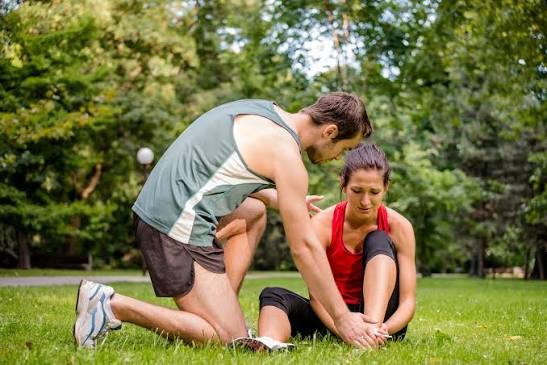
Sports and recreational exercise provide opportunities to improve fitness, build skills, and enjoy time with others. An injury, however, can interrupt training and make familiar movements uncomfortable. A runner may develop knee pain, a tennis player may struggle with shoulder movement, or a basketball player may experience an ankle sprain. For athletes researching sports physical therapy near me, understanding rehabilitation can help them plan a gradual return to activity.
Understanding the Demands of Sports Injuries
Sports injuries vary in severity and cause. Some happen suddenly after a fall, awkward landing, or collision, while others develop gradually as repeated training places more stress on a body part than it can tolerate. Muscle strains, tendon problems, ankle sprains, and overuse injuries are common examples, although symptoms alone cannot establish a diagnosis.
The first priority is understanding the injury and determining what level of care is appropriate. Significant swelling, inability to bear weight, severe pain, or a suspected fracture may require prompt medical assessment. Some injuries also require imaging, specialist evaluation, or temporary protection before rehabilitation begins. A physical therapist can assess movement and help coordinate suitable care within their professional role.
It is important to consider the demands of the sport, too. Walking comfortably does not necessarily mean an athlete is ready to sprint, jump, pivot, or change direction quickly. Rehabilitation should gradually address the movements, strength, and endurance needed for the athlete’s intended level of participation.
Building a Plan Around Athletic Goals
A rehabilitation plan begins with an assessment of symptoms, injury history, training habits, and personal goals. Athletes looking for sports physical therapy near me should consider whether a provider understands the demands of their particular activity. A recreational runner may need a different progression from a competitive soccer player or someone who plays tennis on weekends.
The initial assessment may examine joint mobility, strength, balance, coordination, and movement mechanics. The therapist may also ask about recent changes in training volume, recovery time, or playing conditions. These details can help identify factors that may have contributed to the problem, although some injuries occur without a single obvious cause.
Goals should reflect current abilities and the intended return to sport. Early targets may include comfortable walking or restoring joint movement. Later goals might involve running, jumping, accelerating, or practicing sport-specific drills. Dividing recovery into stages can make progress easier to measure and reduce the temptation to return before the body is ready.
Rebuilding Strength, Control, and Endurance
Rehabilitation often begins with exercises that restore comfortable movement and basic muscle function. As symptoms allow, strengthening can improve the capacity of muscles that support the affected area. The exercises depend on the injury, but the general aim is to prepare the body for gradually increasing demands.
Balance and coordination are particularly important after injuries involving the ankle, knee, or lower limb. Athletes need to control their movements while landing, changing direction, and responding to unpredictable situations. Gradual training can help bridge the gap between ordinary daily activities and the demands of sport.
A rehabilitation program may include:
- Mobility exercises: Help address restrictions in comfortable joint movement when appropriate.
- Progressive strength training: Rebuilds muscle capacity and support around affected joints.
- Balance and control drills: Develop stability during single-leg tasks, landings, and directional changes.
- Conditioning activities: Gradually prepare athletes for the duration and intensity of their sport.
- Sport-specific practice: Reintroduces relevant movements as recovery progresses.
The order and intensity of these activities should reflect the injury and the athlete’s response. Advancing too quickly can aggravate symptoms or reveal weaknesses that have not yet been addressed. A structured progression is more useful than relying only on how the athlete feels on a particular day.
Avoiding the Pressure to Return Too Soon
Athletes may feel eager to resume training when a competition or team commitment is approaching. That motivation is understandable, but reduced pain alone does not prove readiness. Strength, endurance, balance, and confidence may still need improvement even when ordinary movement feels comfortable.
When comparing sports physical therapy near me, athletes can ask how return-to-sport readiness is evaluated. Depending on the injury, assessment may include strength testing, functional movements, jumping, running tolerance, and sport-specific tasks. Criteria vary by injury, and some conditions require clearance from a physician or specialist.
Training modifications may help maintain general fitness during recovery when medically appropriate. One athlete might be able to perform certain alternative activities, while another may need to avoid loading the affected area temporarily. These decisions should follow professional guidance rather than pressure to maintain the usual training schedule.
Making Injury Prevention Part of Training
No training routine can prevent every injury, but thoughtful habits can help athletes manage physical demands. Sudden increases in workload, inadequate recovery, and returning too quickly after an injury may contribute to certain problems. Reviewing training patterns during rehabilitation can help athletes make informed changes when normal activity resumes.
A suitable warm-up prepares the body for the movements ahead. Strength training, gradual increases in workload, adequate recovery, and attention to recurring symptoms can also support continued participation. Athletes should discuss persistent discomfort rather than assuming it is an unavoidable part of sport.
Summit Physical Therapy is one local provider athletes may explore when researching rehabilitation options. When comparing clinics, ask about experience with sports-related injuries, return-to-activity planning, and how exercises are adapted to individual goals.
Conclusion
Returning to sport involves more than waiting for pain to disappear. Athletes may need to rebuild strength, improve movement control, and gradually tolerate the demands of their chosen activity. For those researching sports physical therapy near me, an individualized rehabilitation plan can provide useful structure. Patience, consistent practice, and appropriate professional guidance can support a more informed return to athletic activities.